
I used to have a running joke with my friends that my cat’s breath was a biological weapon.
Every time Luna yawned near my face, a smell like dead fish mixed with garbage would hit me. But what did I do? I just laughed it off. I thought, “Well, it’s cat breath, it’s supposed to smell bad, right?” Plus, I fully believed the common myth that every cat owner hears: Feeding dry kibble is enough to keep their teeth clean.
I was wrong. And it was a dangerous mistake.
The Wake-Up Call at the Vet
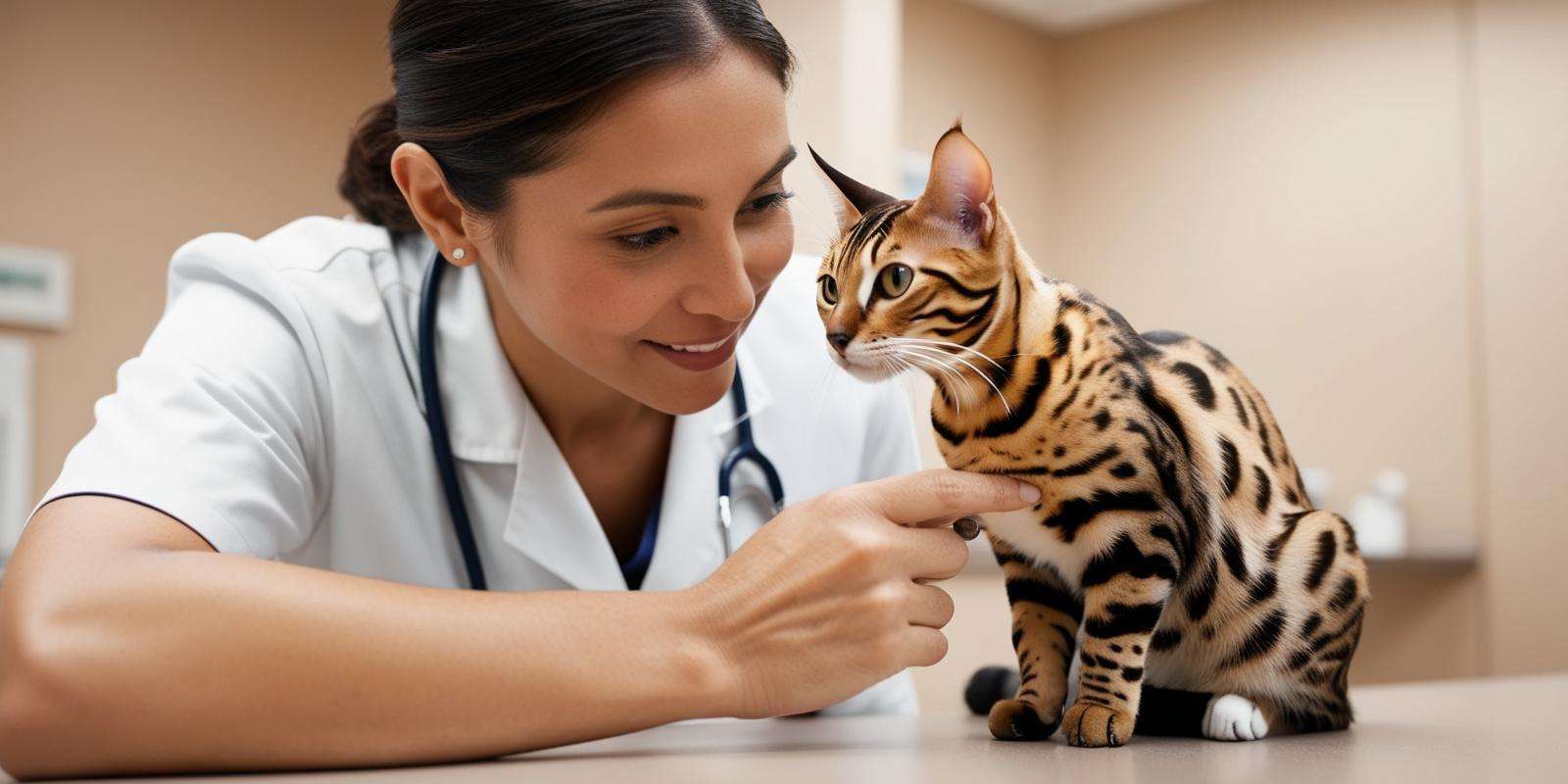
Everything changed during a routine annual check-up. The vet gently lifted Luna’s lip and called me over.
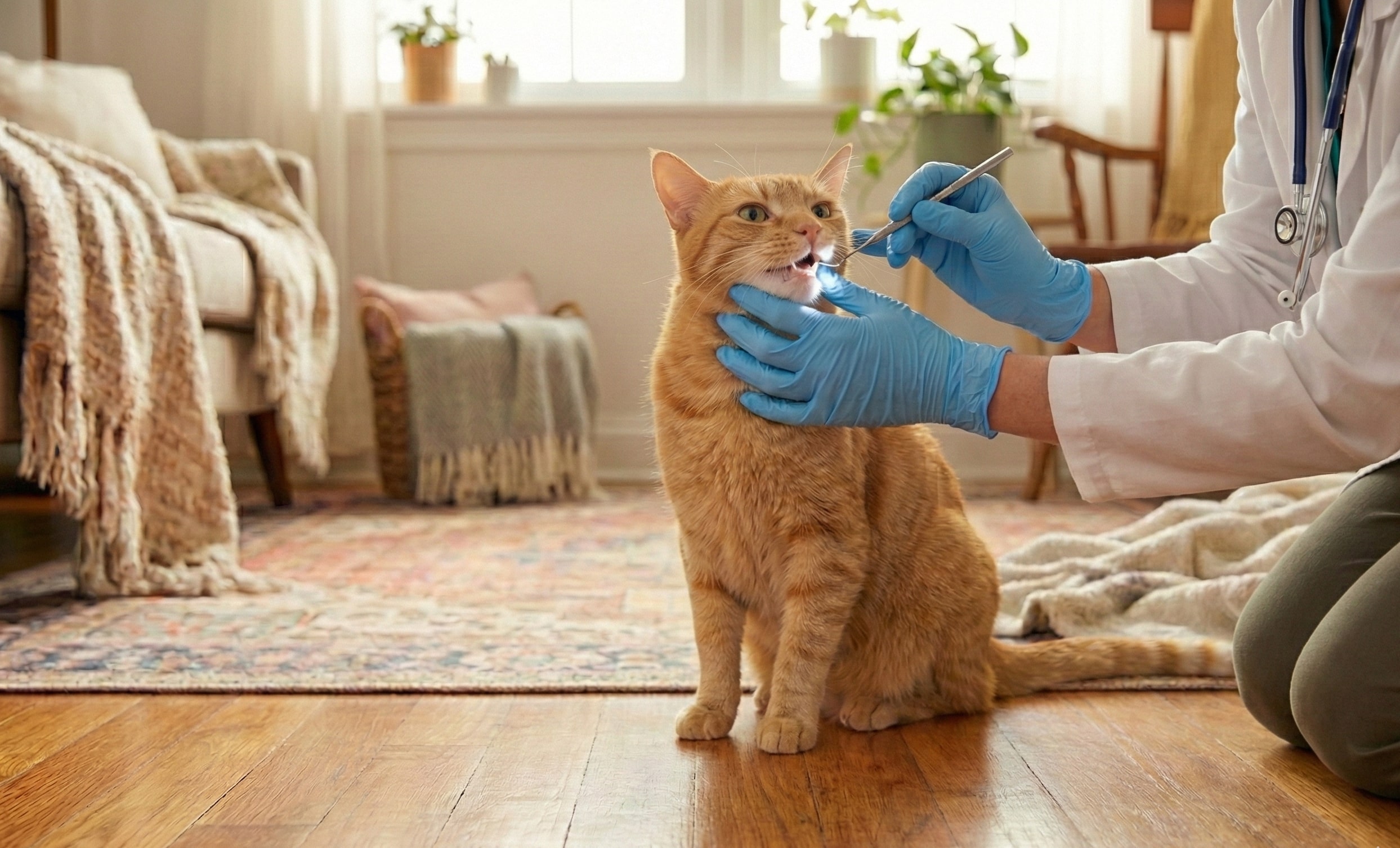
“Take a look right here. See that angry red line along the gums? That is Gingivitis. And that thick, brownish-yellow crust on the back molars? That is calcified tartar.”
She explained that Luna was in the early stages of Feline Periodontal Disease. If left untreated, the bacteria from her mouth could enter her bloodstream, eventually damaging her kidneys and heart.
Then came the second shock: The Estimate. The cost for anesthesia, professional scaling, and X-rays was $850. And if she needed tooth extractions? That number could easily climb to $1,200.
Holding that paper, I looked at Luna sitting innocently in her carrier. I felt a wave of guilt. She had been living with a silent toothache for months, but she kept eating normally because cats are masters at hiding their pain.
Why Did This Happen? (The Kibble Myth)
I learned an expensive lesson that day: Dry food does not clean teeth. Most cats swallow their kibble whole or shatter it instantly. When kibble mixes with saliva, it can actually form a sticky paste that clings to the gum line, feeding bacteria. Relying on dry food for dental care is like a human eating crackers and hoping it replaces brushing. It just doesn’t work.
Operation “Save the Teeth”: What I Did
I decided to take action immediately to stop the disease from progressing (and to save my wallet from future surgeries). But how do you put a toothbrush in the mouth of a cat who is ready to scratch you?
This journey inspired me to share my methods on CatTrove, so other owners don’t have to learn the hard way. Here is the 4-week progression that actually worked for Luna:
Week 1: The Taste Test
I bought a tube of poultry-flavored Enzymatic Toothpaste made specifically for pets.
- Vital Rule: NEVER use human toothpaste. The fluoride and foaming agents are toxic to cats.
- Every night, I squeezed a tiny bit onto my finger and let Luna lick it off as a treat. Luckily, she loved the chicken flavor, so she saw it as a reward.
Week 2: The Touch
Once she trusted the flavor, I started using my paste-covered finger to gently rub her canine teeth and gums.
- I did this for only 1-2 seconds, then stopped immediately and gave her praise.
- The goal was to teach her: “Finger in mouth = Yummy taste = Nothing scary.”
Week 3: The Finger Brush
I didn’t use a long-handled brush right away because it looked intimidating. I used a soft silicone finger brush.
- It allowed me to feel how much pressure I was applying, ensuring I didn’t hurt her inflamed gums.
- I focused on scrubbing the outside surfaces of the teeth (where tartar builds up). I didn’t worry about the inside, as her rough tongue cleans that part naturally.
Week 4: Building the Routine
Now, we brush about 3 times a week. I don’t force her mouth wide open; I just slip the brush under her lip and scrub quickly for 30 seconds total.
- The result? At her 2-month recheck, her gums were significantly less red. The “dead fish” breath was gone. The vet was impressed, and we successfully delayed that expensive surgery.

Related Post: The 7 Best Petsmart Grooming Alternatives for At-Home Pet Care
Solutions for the “Impossible” Cat
I get it—some cats are too aggressive or fearful for brushing. On days when Luna is moody, I use these alternatives (they aren’t as good as brushing, but they are better than nothing):
- Dental Water Additive: Think of it as mouthwash for cats. I add a capful to her water bowl to help reduce oral bacteria.
- Seaweed Dental Powder: I sprinkle a product like ProDen PlaqueOff on her wet food. It works systematically through saliva to soften hard tartar.
- VOHC Accepted Treats: I only buy dental treats with the VOHC Seal (Veterinary Oral Health Council), like Greenies. Their texture is actually proven to scrub teeth.
My Advice to You
Don’t wait until your cat stops eating or starts drooling to check their mouth. Lift their lip and check today. If you see red gums or yellow plaque, start a routine now.
You don’t have to be perfect. Even brushing 2-3 times a week makes a massive difference. Trust me, prevention is so much cheaper than the cure—especially with US vet prices!
Frequently Asked Questions (FAQ)
No! Baking soda is high in sodium and tastes terrible to cats. It can upset their stomach and cause them to hate the brushing process. Always use pet-safe toothpaste.
Cats rarely whine. Watch for subtle signs like “chattering” their jaw, dropping food while eating, chewing on only one side, or suddenly running away from the food bowl (wanting to eat but afraid of the pain).
Anesthesia always carries some risk, but modern veterinary protocols are very safe. The vet will usually run blood work beforehand to ensure your cat’s kidneys and liver can handle the drugs. Leaving a rotten tooth in the mouth is often more dangerous to their health than the anesthesia itself.
They are a good supplement, but not a cure-all. Toys with mesh netting can help floss teeth as the cat chews, but they cannot replace the mechanical cleaning of brushing or professional scaling.