
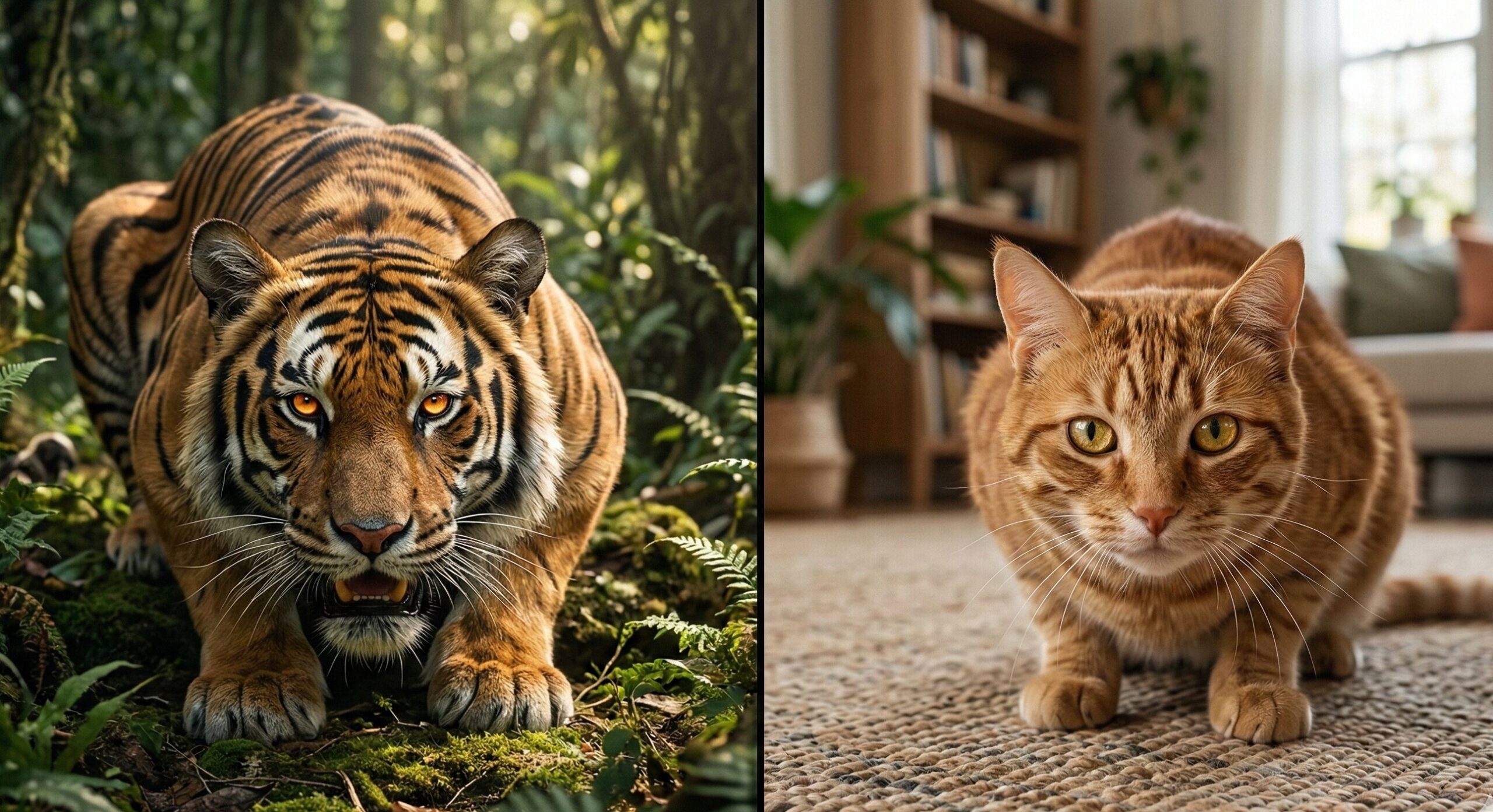
Felids are members of the biological family Felidae, a diverse group of carnivorous mammals commonly known as the “cat family.” From the mighty African lion to the playful tabby cat napping on your sofa, any animal that falls under this scientific classification is a felid. These creatures are defined by their extraordinary hunting skills, retractable claws, and sleek, agile bodies that have made them some of the most successful predators on Earth.
Whether you are a devoted cat owner or a wildlife enthusiast, understanding the “felid” lineage helps you appreciate the wild instincts that still drive our domestic companions today. In this guide, we’ll dive deep into what makes a felid a felid, how they are classified, and some fun facts that might surprise even the biggest cat lovers.
What is the meaning of Felids?
In the world of biology, a “felid” refers to any mammal belonging to the family Felidae within the order Carnivora. These animals are considered “obligate carnivores,” meaning their bodies are biologically designed to process nutrients almost exclusively from meat. Unlike dogs or bears, which can supplement their diets with plants, felids are the ultimate specialized hunters of the animal kingdom.
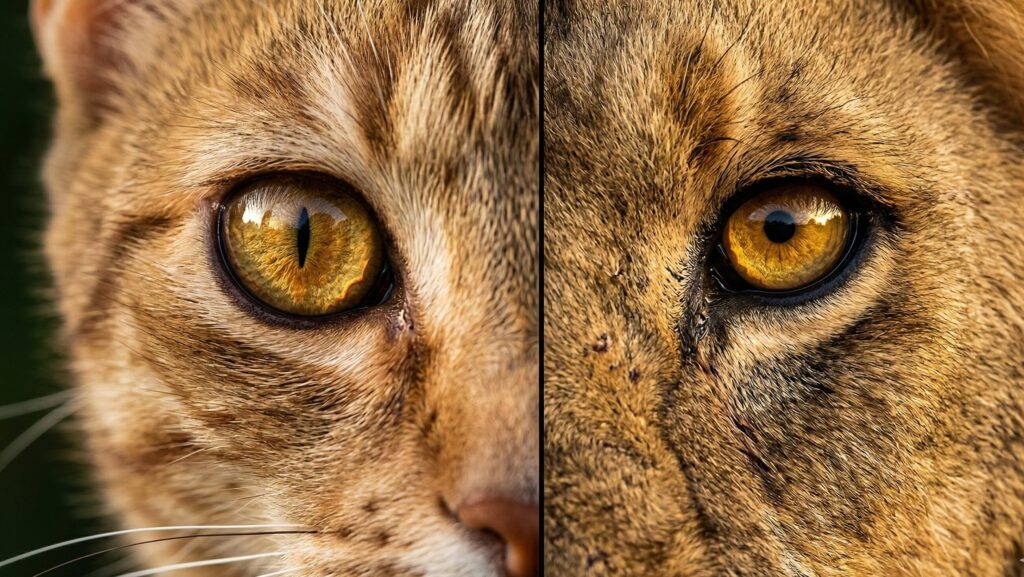
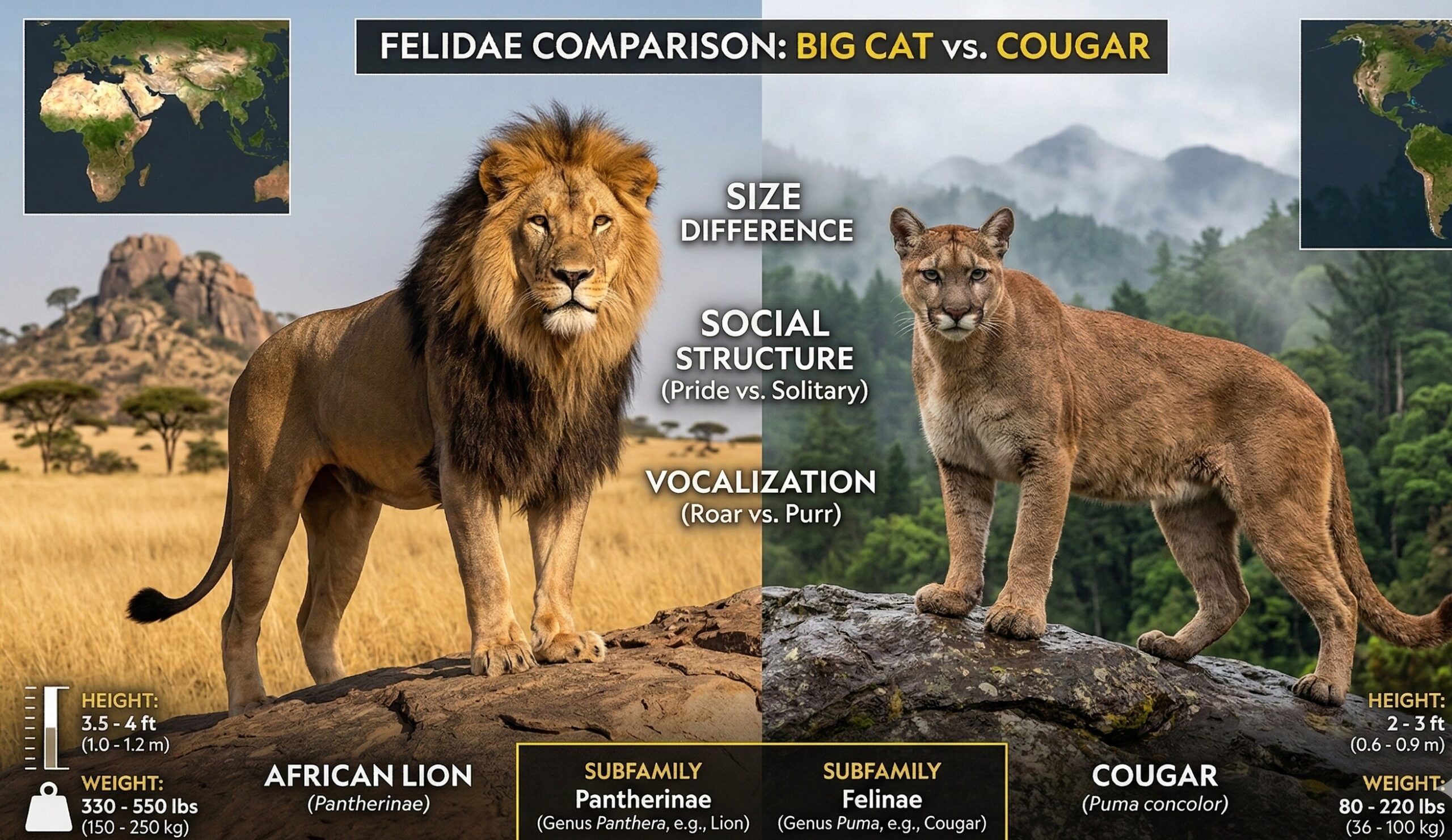
The term “Felid” comes from the Latin word Felis, simply meaning “cat.” However, the family is much broader than just the species we keep as pets. It includes two major subfamilies: Pantherinae (the “big cats” like tigers and leopards) and Felinae (the “small cats” like lynxes, cougars, and domestic cats). While they vary wildly in size—ranging from the 3-pound Black-footed cat to the 600-pound Siberian tiger—they all share a common DNA and a set of unmistakable physical traits.
The “Blueprint” of a Predator: Common Characteristics
What exactly connects your house cat to a wild jaguar? Even though they live in very different environments, all felids share a specific “evolutionary blueprint” that makes them nature’s perfect stealth machines.
1. Retractable Claws
Almost all felids (with the notable exception of the cheetah) have claws that can be tucked into protective sheaths. This keeps their claws razor-sharp for hunting and allows them to walk silently without the “click-click” sound of a dog’s nails.
2. Specialized Vision
Ever noticed how your cat’s eyes glow in the dark? Felids have a reflective layer behind their retina called the tapetum lucidum. This allows them to see clearly in only one-sixth of the light human beings need, making them the kings and queens of the twilight hours.
3. High-Performance Bodies
From their flexible spines that act like springs to their powerful hind legs for jumping, felids are built for bursts of speed and agility. Their “righting reflex” also allows them to twist their bodies mid-air to land on their feet—a trait shared by both lions and house cats.
Classifying the Cat Family: Big vs. Small
To better understand the diversity of felids, scientists split the family into two primary groups. While the names “Big” and “Small” are common, the real scientific difference lies in their voice boxes (larynx) and their ability to roar or purr.
Comparison Table: Pantherinae vs. Felinae
| Feature | Pantherinae (Big Cats) | Felinae (Small/Lesser Cats) |
|---|---|---|
| Common Examples | Tigers, Lions, Jaguars, Leopards | Domestic Cats, Cougars, Lynxes, Bobcats |
| Vocalization | Can roar (mostly); cannot purr continuously | Cannot roar; can purr while breathing in and out |
| Pupil Shape | Usually round | Often vertical slits (in smaller species) |
| Hunting Style | Large prey (Buffalo, Deer) | Small prey (Rodents, Birds, Insects) |
| The Exception | Snow Leopards (cannot roar) | Cougar (large size but genetically a “small cat”) |
Wild Felids vs. Domestic Cats: What’s the Connection?
At Cattrove, we often get asked: “Is my cat just a tiny tiger?” The answer is: Scientifically, yes!
Your domestic cat (Felis catus) is a direct descendant of the Near Eastern wildcat (Felis lybica). Around 10,000 years ago, in the Fertile Crescent, these wild felids began hanging around human settlements to hunt the rodents attracted by grain stores. Over millennia, we didn’t just domesticate them; they essentially “self-domesticated” to live alongside us.
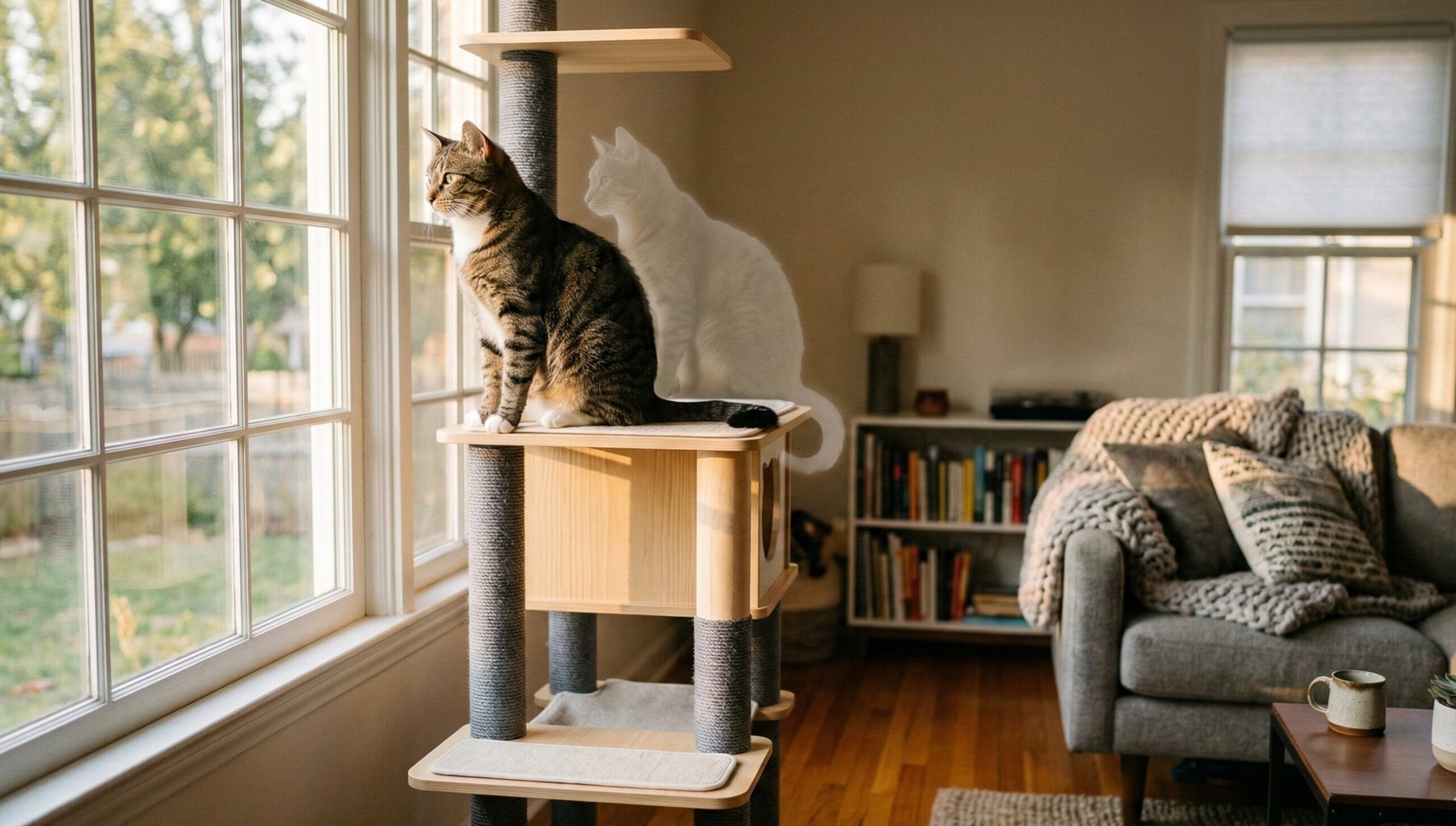
Despite the thousands of years spent on our couches, domestic cats have retained about 95.6% of their tiger DNA. This is why your cat might “stalk” a feather toy or prefer to sleep in high places where they can survey their “territory.” They aren’t being difficult—they are just being felids!
Why Understanding “Felids” Matters for You
You might wonder why a scientific term like “felid” matters for the average pet owner in the US. The reason is simple: Knowledge leads to better care.
- Dietary Needs: Knowing that all felids are obligate carnivores helps you understand why high-protein, meat-based diets are non-negotiable for your cat’s health.
- Environmental Enrichment: Understanding their hunting instincts allows you to provide better mental stimulation (like cat trees and puzzle feeders) to keep them happy.
- Conservation: By learning about the broader Felidae family, we become more aware of the threats facing wild cats—such as habitat loss and poaching—and can support global conservation efforts.
Conclusion
The world of felids is a fascinating spectrum of beauty, power, and mystery. From the snow-capped mountains where the Snow Leopard roams to the sun-drenched plains of the Serengeti, and finally to your own living room, the Felidae family continues to captivate us. By recognizing the “felid” in your own pet, you’re not just looking at a companion; you’re looking at a masterpiece of evolution.
Next time you see your cat pounce on a laser pointer, remember: you’re watching a world-class athlete practicing a craft that has been perfected over millions of years!
You might also like: Maine Coon Cats: Complete Care, Characteristics, and Cost Guide for Cat Lovers
1 thought on “Felids Meaning: What Is the Cat Family?”
Comments are closed.