

Ocelot Cat (Leopardus pardalis) is a medium-sized wild cat species renowned for its spectacular coat, which features chain-like spots and rosettes unmatched by any other feline. Primarily found in Central and South America, with a tiny, endangered population in South Texas, this nocturnal hunter is often called the “miniature leopard.” While their beauty is captivating, many in the US wonder: Is it possible—and legal—to keep an Ocelot as a pet? We explore their facts, habitat, and the strict laws surrounding their ownership.
At Cattrove, we dive deep into the world of exotic felids to help cat lovers understand the boundary between the wild and the domestic. The Ocelot is a masterpiece of evolution, but as we will see, its place is in the shadows of the brush, not on a living room sofa.
What is an Ocelot cat and can you own one?
An Ocelot is a wild felid native to the Americas, twice the size of a domestic cat, and characterized by its unique “chain-link” fur pattern. As for ownership in the United States, it is almost entirely illegal for private citizens. Because Ocelots are protected under the Federal Endangered Species Act (ESA), purchasing or moving them across state lines is a federal crime. Furthermore, most US states have strict bans on “wild cat” possession, requiring specialized USDA permits that are typically reserved for zoos and sanctuaries.
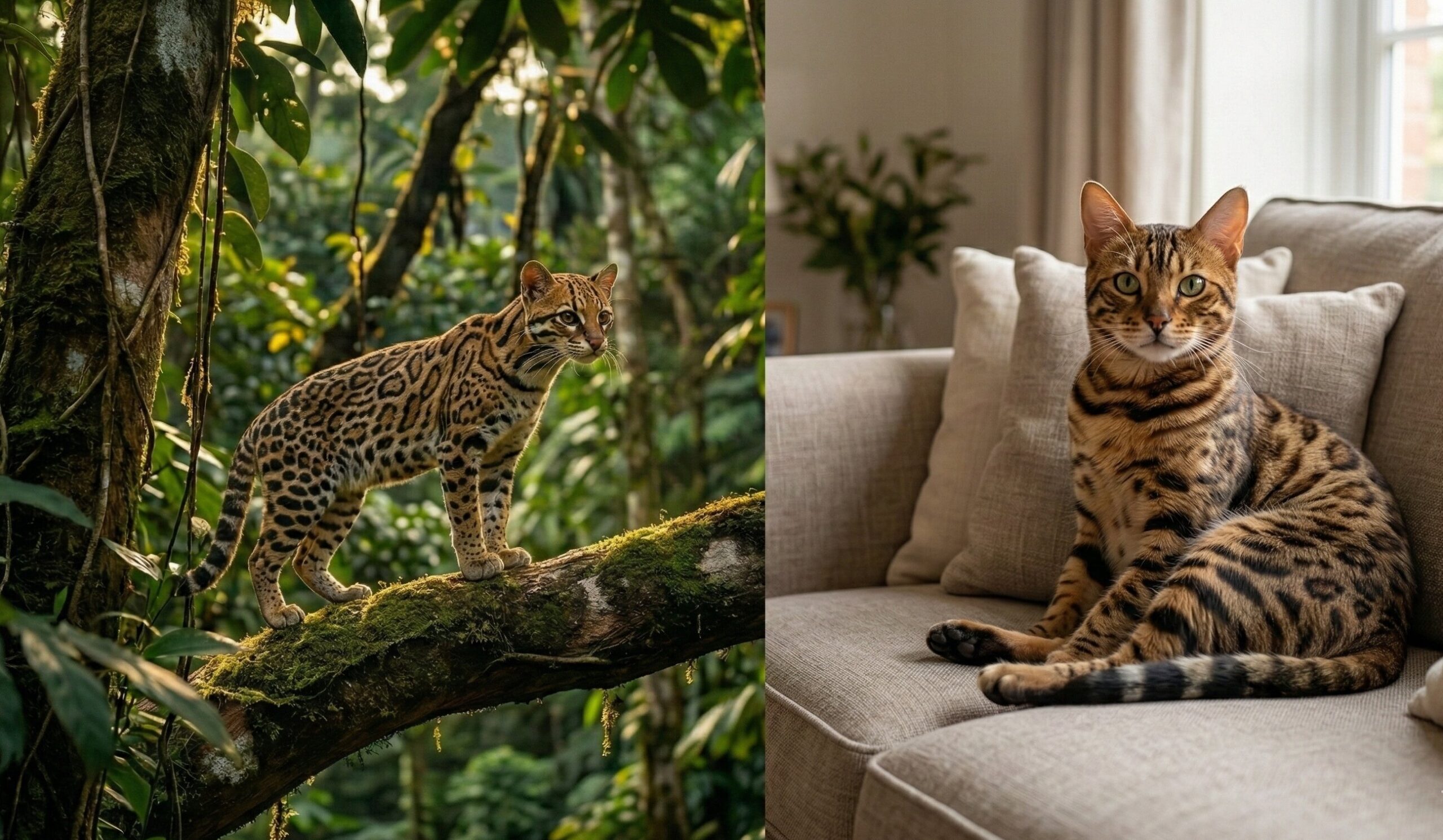
Beyond the legal “No,” the biological reality is that Ocelots are not domesticated. They possess strong predatory instincts, require a diet of whole raw prey, and mark their territory with a pungent scent that makes indoor living impossible.
1. Physical Analysis: The “Chain-Link” Masterpiece
Ocelots are biological anomalies, possessing a coat pattern that serves as the ultimate camouflage in the flickering light of a jungle canopy.
- The Coat: Unlike the solid spots of a cheetah or the circular rosettes of a jaguar, the Ocelot has “chain-like” markings—elongated black spots that connect to form horizontal bands. No two Ocelots have the same pattern.
- Size and Build: An adult Ocelot is a powerhouse, weighing between 18 and 35 pounds. Their forepaws are noticeably larger than their hind paws, an adaptation that makes them exceptional climbers and allows them to grip prey with immense force.
- Night Vision: Their eyes have a highly developed tapetum lucidum, giving them night vision six times better than a human’s. This allows them to hunt in near-total darkness.
2. Habitat & Behavior: The Need for “Impenetrable” Cover
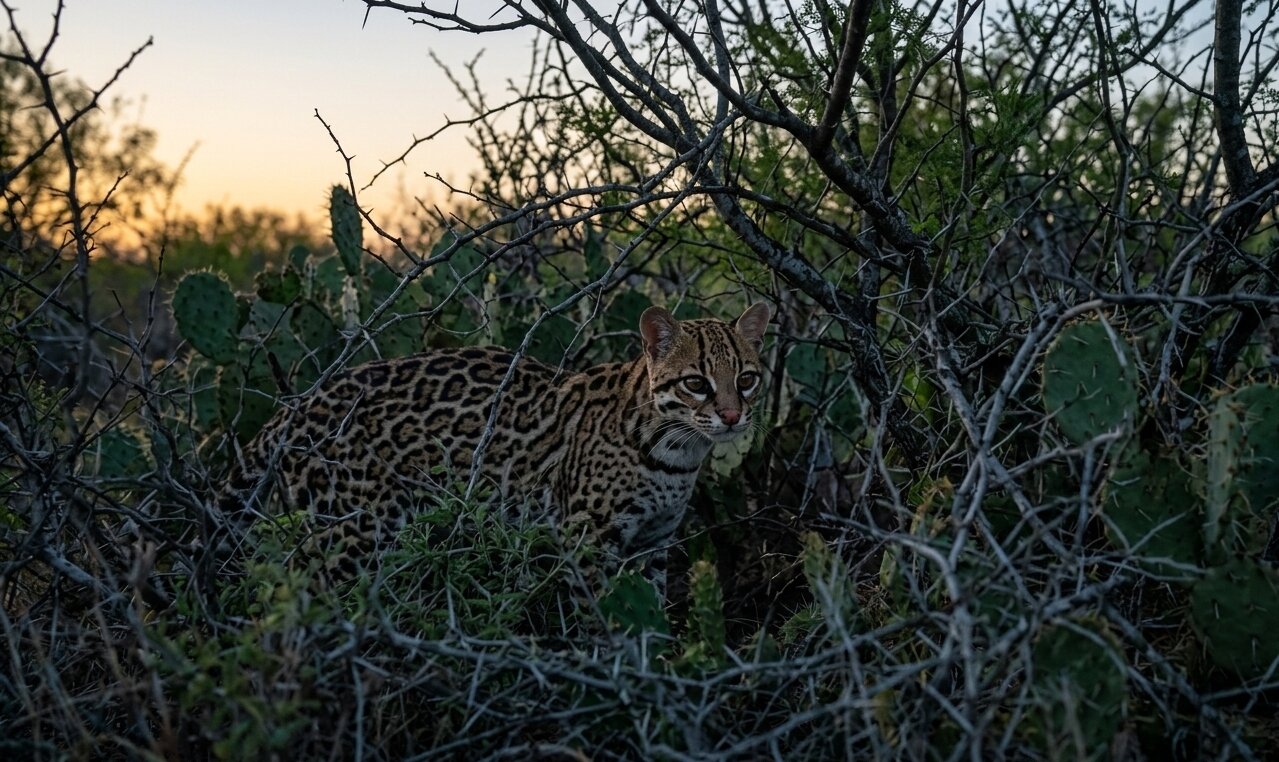
An Ocelot is only as healthy as the density of its habitat. They are creatures of the “thick,” requiring at least 70% canopy or shrub cover to feel secure.
- The South Texas “Chaparral”: In the US, the Ocelot’s last stand is in the South Texas thorn scrub. This dense, thorny ecosystem is disappearing due to agriculture, making the US population (fewer than 100 cats) critically endangered.
- A Semi-Aquatic Hunter: While most domestic cats loathe water, Ocelots are proficient swimmers. They frequently hunt fish, crabs, and amphibians in the mangrove swamps of Central America.
- Solitary Nomads: They are fiercely territorial. A single male’s range can span 30 square miles, which he marks with “latrines” and scent markings—a behavior that is destructive in a home environment.
3. The Legal Maze: US Exotic Pet Laws
The question of ownership is met with a complex overlap of Federal and State laws that prioritize conservation over pet trends.
The Federal Level: The Endangered Species Act (ESA)
Since 1973, the Ocelot has been protected under the ESA. This law makes it illegal to:
- Import/Export: You cannot bring an Ocelot into the US from abroad.
- Interstate Commerce: Moving an Ocelot across state lines for sale is a federal crime, effectively trapping any legally owned Ocelot within its original state.
The State Level: A Patchwork of Bans
- Strict Prohibitions: States like California, New York, and Washington have total bans on private wild cat ownership.
- Permit States: Even in “permit states” like Texas or Florida, you must prove you are an educational facility, possess high-liability insurance, and undergo unannounced inspections.
4. Sustainable Alternatives for Cat Lovers
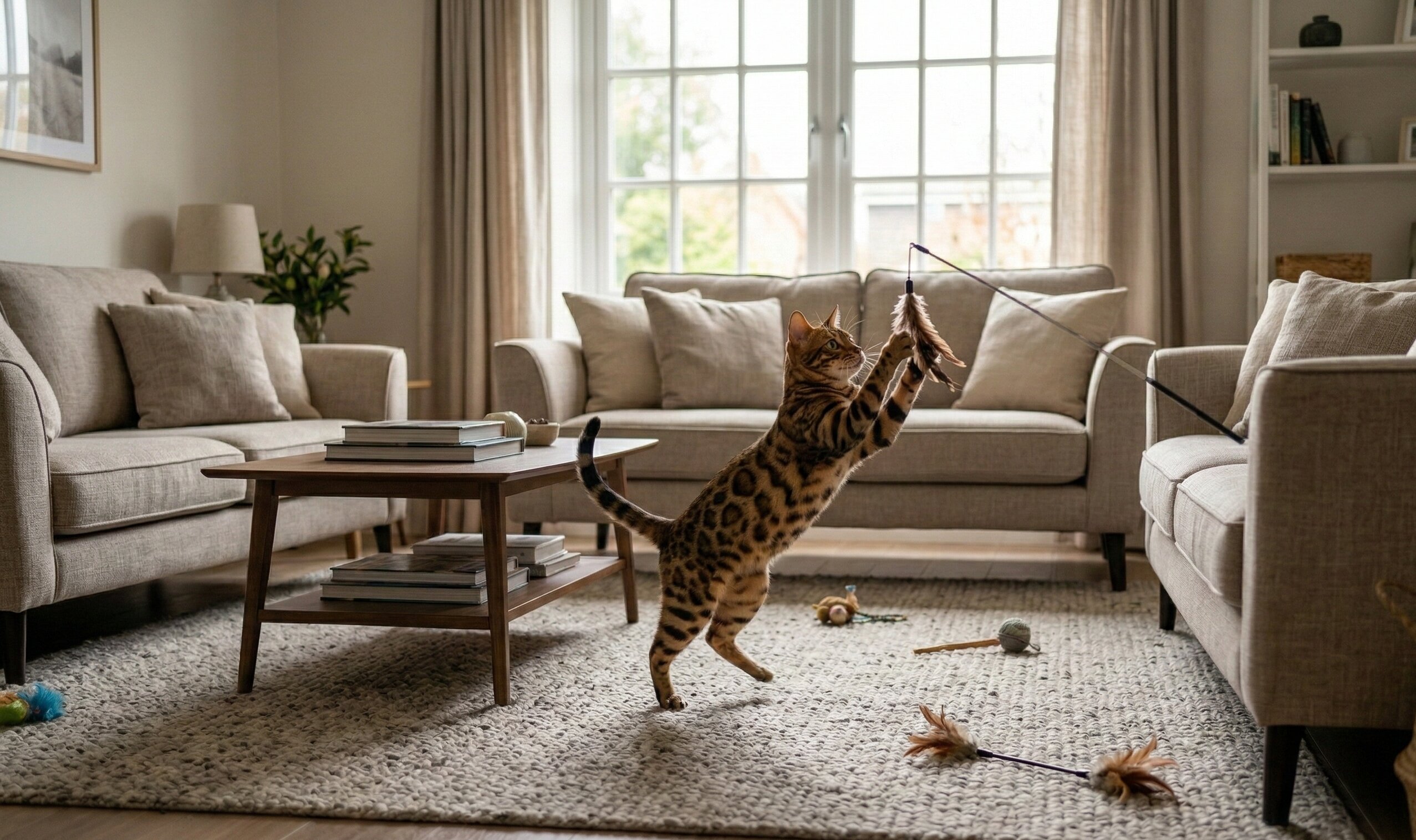
If you love the “look” of the Ocelot, there are legal, domesticated ways to bring that exotic beauty into your home without breaking the law or harming a species.
- The Bengal Cat: A hybrid between a domestic cat and an Asian Leopard Cat. They have the “rosettes” you crave but are legal and litter-box trained.
- The Savannah Cat: Tall and spotted, these hybrids offer a wild look while remaining safe companions.
- Support Conservation: Instead of owning one, “adopt” a wild Ocelot through the Friends of the Laguna Atascosa National Wildlife Refuge in Texas to help protect their vanishing habitat.
Conclusion: Admire from Afar, Protect for the Future
The Ocelot cat is undoubtedly one of nature’s most breathtaking creations. With its “chain-link” spots and mysterious nocturnal life, it represents the wild spirit of the Americas. However, as we have explored, the gap between a domestic pet and this wild felid is vast. From the federal protections of the Endangered Species Act to the intense biological needs of a 30-pound predator, the Ocelot is a cat that belongs to the brush, not the bedroom.
By choosing a legal spotted companion like the Bengal or Savannah cat, you can enjoy exotic beauty while ensuring a happy, safe life for your pet. More importantly, by supporting conservation efforts in places like South Texas, you help ensure that the “Ghost of the Brush” continues to roam free for generations to come.
Frequently Asked Questions (FAQ)
You might also like: Best Cat Treats for Happy & Healthy Cats