

Not every cat is destined to be an “adventure cat” hiking up a mountain—and that is perfectly fine. I am Nick Anderson from Cattrove.com, and sharing my home with a multi-cat crew, including my spirited girl Luna, has taught me that outdoor training isn’t just about buying the right gear. It is fundamentally about feline behavioral science and respecting your cat’s unique psychological limits.
Taking an indoor cat outside for the first time exposes them to a massive, unfiltered sensory overload. The sudden rush of wind, the complex smells of damp earth and other animals, and the unpredictable sounds of traffic or barking dogs can either be a thrilling enrichment activity or a deeply traumatic event. Before you ever open that front door or purchase a harness, you must objectively assess if your cat is biologically and psychologically equipped to process the great outdoors.
The Biology Behind the “Adventure Cat” Trend
To understand your cat’s reaction to the outdoors, we have to look at their evolutionary biology. Cats are mesopredators, meaning they occupy the middle of the food chain. They are hardwired with the instincts of a lethal hunter, but they also carry the deep-seated anxiety of a prey animal. When thrust into an unfamiliar, open environment without a ceiling or clear hiding spots, their sympathetic nervous system—the system responsible for the fight, flight, or freeze response—can easily go into overdrive.
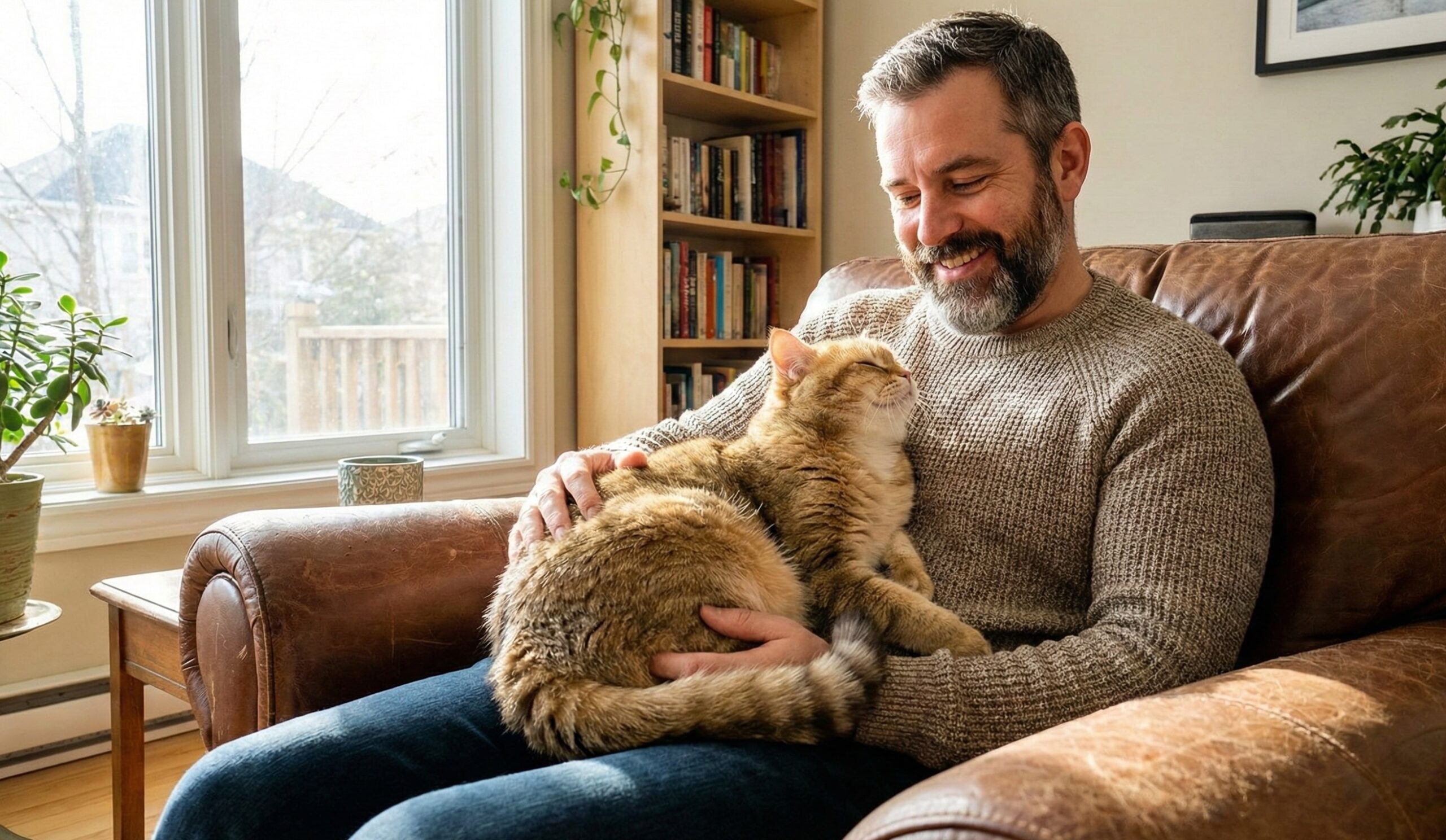
According to behavioral guidelines from the American Association of Feline Practitioners (AAFP), forced exposure to novel environments triggers acute cortisol (stress hormone) spikes in felines. Unlike dogs, who generally look to their owners for reassurance in scary situations, cats are territorial survivors. Their primary coping mechanism is to hide or flee to familiar ground. If you force a terrified cat into a harness and drag them outside, you risk traumatizing them, breaking their trust in you, and creating a highly dangerous escape situation where they might slip out of their gear in pure panic. Outdoor exploration should be about enriching your cat’s life, not fulfilling a social media aesthetic.
The Feline Personality Quiz: Reading Their Body Language
Cats cannot mask their autonomic nervous system responses; their bodies will always tell you exactly how they are feeling. To solve the puzzle of whether your cat is ready for the outdoors, you do not need to take them outside. Instead, you must carefully observe how they react to unpredictable stimuli safely inside your house, such as a dropped pan, a loud delivery truck, or a new piece of furniture.
| Personality Type | Key Body Language | Stress Response | Outdoor Readiness |
|---|---|---|---|
| The Confident Explorer | Tail straight up (question mark), ears forward, relaxed whiskers. | Investigates unfamiliar noises; recovers instantly from startles. | Ready for Harness Training |
| The Cautious Observer | Low to the ground, sniffing carefully, staying near walls. | Hides temporarily but emerges quickly to assess the situation. | Needs Gradual Desensitization |
| The Terrified Homebody | Dilated pupils, flattened ears, puffed tail, trembling. | Immediate flight, hides for hours, hisses or stress-sheds. | Keep Indoors Only |
The Confident Explorer (The Bold Cat)
This is the cat that rushes to the front door when the doorbell rings. From a behavioral science perspective, the Confident Explorer has a remarkably high threshold for sensory stimulation. When a loud noise or sudden movement occurs, their biological instinct is investigation rather than flight. You will notice their tail pointing straight up, often with a slight curve at the tip which indicates a friendly, inquisitive greeting posture. Their ears swivel forward to gather acoustic data, their whiskers push outward to sense air currents, and they walk with purposeful, relaxed steps rather than crouching.
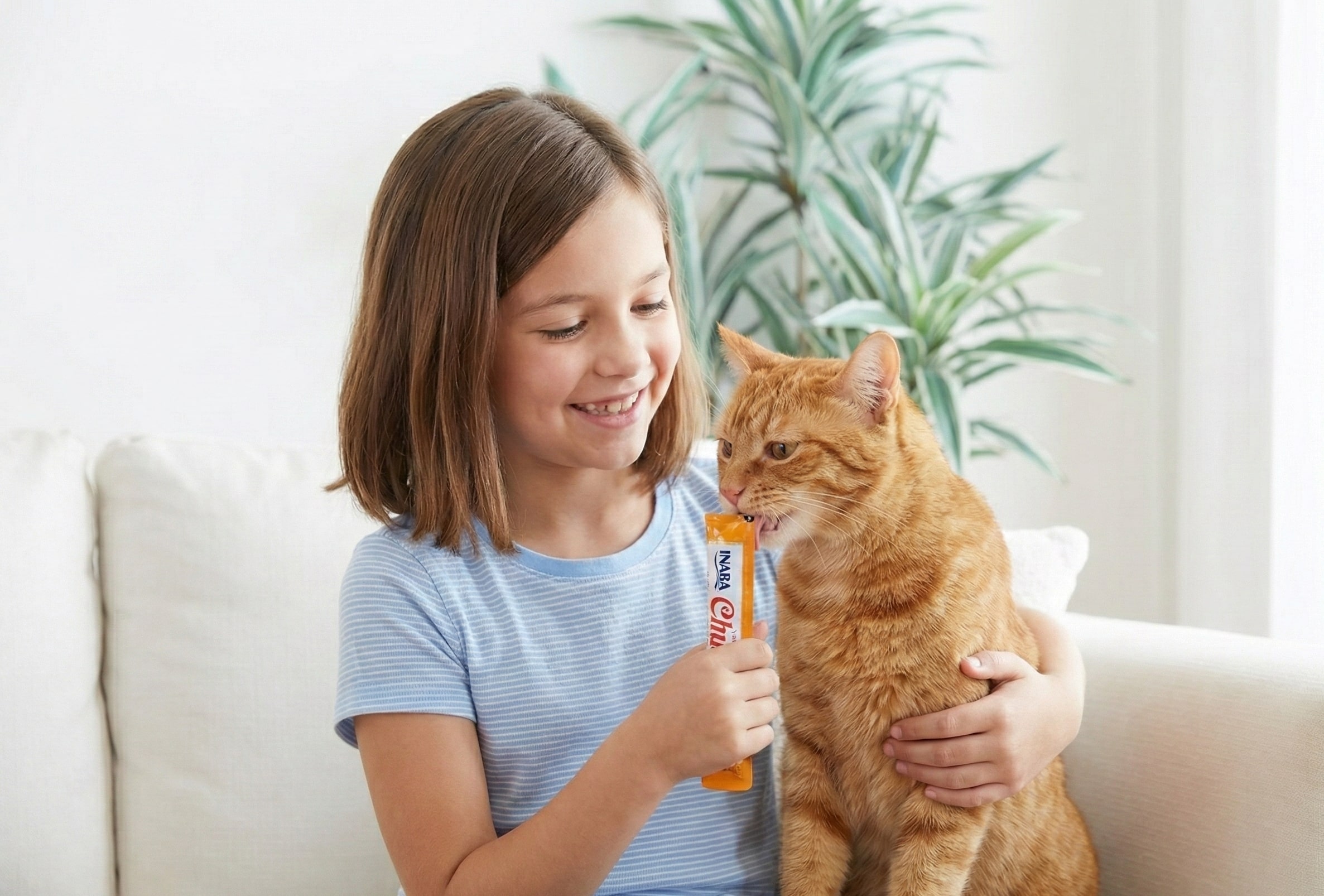
Because their nervous system can rapidly process and accept novel environments, this cat is an excellent candidate for outdoor harness training. They have the natural resilience required to bounce back quickly if something startles them on a walk. To begin their transition, your first step is to introduce a high-quality, lightweight harness indoors. Do not attach a leash yet. Simply let them wear the harness during highly rewarding activities, such as meal times or play sessions. This creates a positive classical conditioning loop, teaching them that wearing the gear leads to excellent things, setting a confident foundation before they ever step a paw on the grass.
The Cautious Observer (The Wallflower)
The Cautious Observer does not run away in sheer terror, but they certainly do not rush into the unknown. When faced with a new situation, this cat processes stimuli slowly and methodically. You will see them exhibit a lowered center of gravity, keeping their abdomen close to the floor to protect their vital organs. They rely heavily on their Jacobson’s organ—a special scent-processing structure in the roof of their mouth—to analyze pheromones and assess potential threats from a safe distance, often choosing to observe from an elevated position like the top tier of a cat tree.
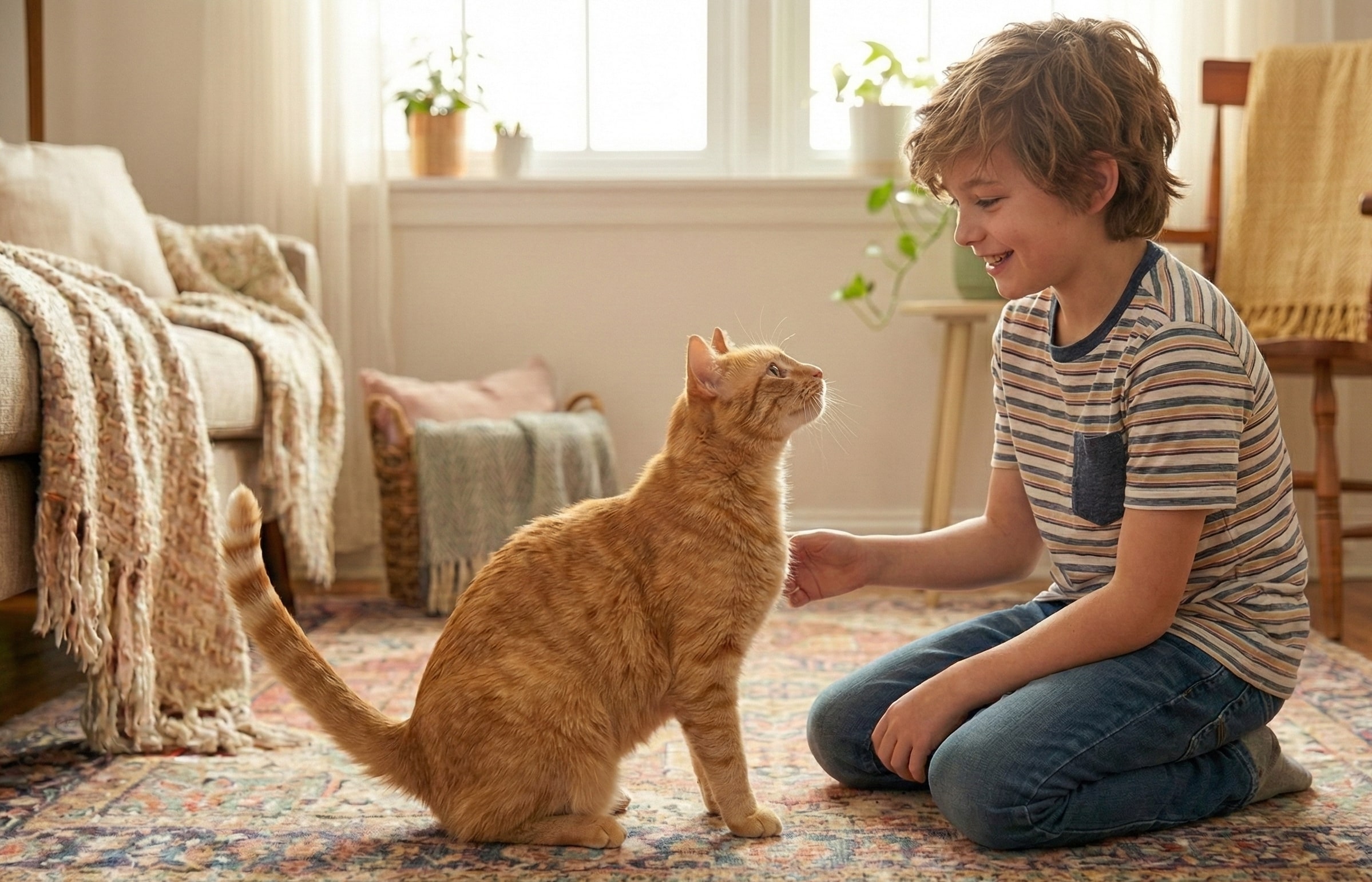
These cats can absolutely become wonderful adventure companions, but they require immense patience and gradual desensitization. The solution for the Cautious Observer is micro-exposures. Moving too fast will trigger their flight response. Start by simply opening a screened window to let them safely process the outdoor smells and sounds from their own territory. Once they are comfortable, graduate to sitting quietly together on an enclosed porch or just inside an open doorway. The critical factor here is ensuring they always have an unobstructed, immediate escape route back to their safe indoor territory the moment they feel overwhelmed.
The Terrified Homebody (The Nervous Cat)
When a sudden noise echoes through the house, this cat is already scrambling under the bed before you can even react. The Terrified Homebody has a highly sensitive nervous system where unpredictable stimuli trigger an immediate, overwhelming adrenaline flood. Their physical signs of extreme stress are impossible to miss: their pupils dilate entirely to maximize visual input, their ears flatten tightly against their head (often called “airplane ears”) to protect from injury, their tail puffs out, and they may hiss, swat, or experience stress-induced shedding.
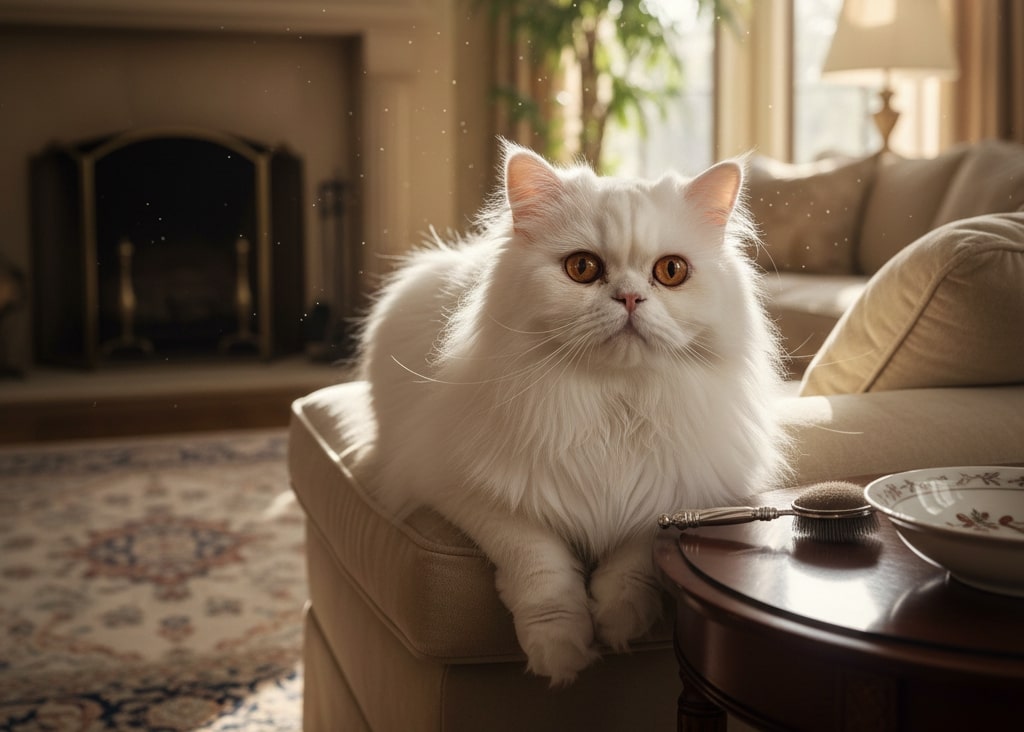
It is imperative that you do not take this cat outside. In feline psychology, exposure therapy does not work for deeply fearful cats; instead, it causes a psychological state known as “flooding,” which severely worsens trauma and anxiety. The outdoors will not build their character or make them braver. The most loving and scientifically sound solution for a nervous homebody is to heavily enrich their indoor environment. Invest in comfortable window perches where they can safely watch birds, provide complex puzzle toys to stimulate their hunting instincts, and build vertical spaces. They can live a thrilling, deeply satisfying life entirely within the four walls of your home.
The 3 Non-Negotiable Pre-Checks Before Opening the Door
Even if your cat perfectly fits the Confident Explorer profile, stepping outside requires strict preparation. The outdoors presents genuine physical risks that must be mitigated before your first adventure.
First, you must secure their identification. Breakaway collars are designed to snap under pressure, meaning they can easily be lost in a bush. Ensure your cat is microchipped by a veterinarian and, crucially, verify that your contact information is fully up to date in the national registry. A microchip is your ultimate, fail-safe recovery tool if a worst-case scenario occurs and your cat slips their harness.
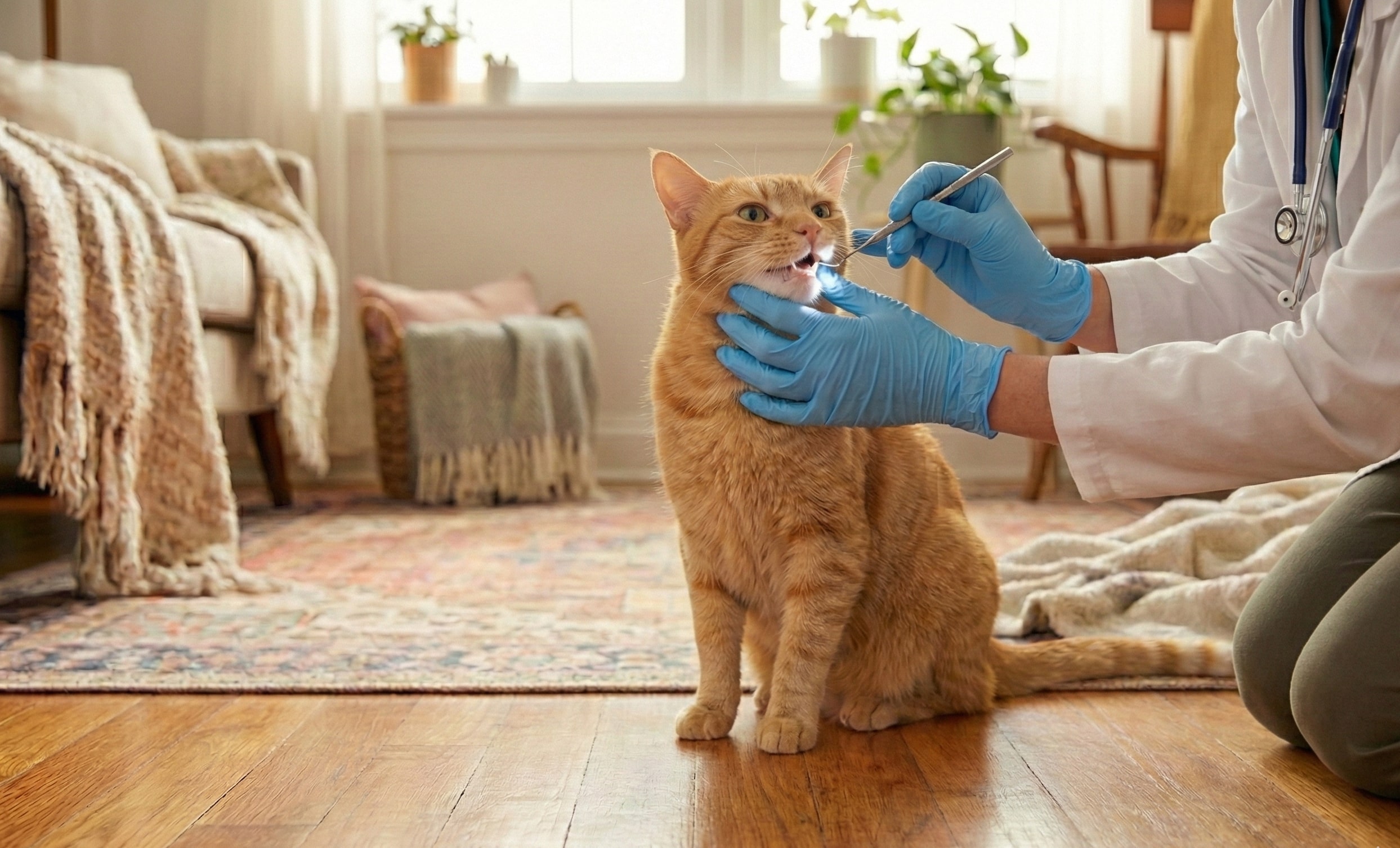
Second, update their preventative medicine. The outdoor world is teeming with hidden parasites. Consult your veterinarian to start a broad-spectrum monthly prevention treatment that covers fleas, ticks, and heartworms (which are transmitted by mosquitoes). Additionally, ensure all core feline vaccines, especially Rabies and Feline Leukemia (FeLV), are current, as they may encounter stray animals or contaminated environments.
Finally, conduct a rigorous “Safe Zone” assessment of your immediate surroundings. Your cat’s first outdoor experience should never be at a busy public park or a hiking trail. Evaluate your backyard or patio: Are there off-leash dogs nearby? Is there heavy, loud traffic? Are there toxic plants they might chew on? Start in the most controlled, quiet, and enclosed environment available to you.
Final Thoughts: Patience is the Ultimate Tool
Transitioning an indoor cat to the outdoors is a marathon, not a sprint. When I first started harness training Luna, she immediately flopped over on the living room floor, acting as if the lightweight fabric had completely paralyzed her legs. It took weeks of consistent, positive reinforcement with high-value treats before she finally took her first confident steps on the backyard grass.
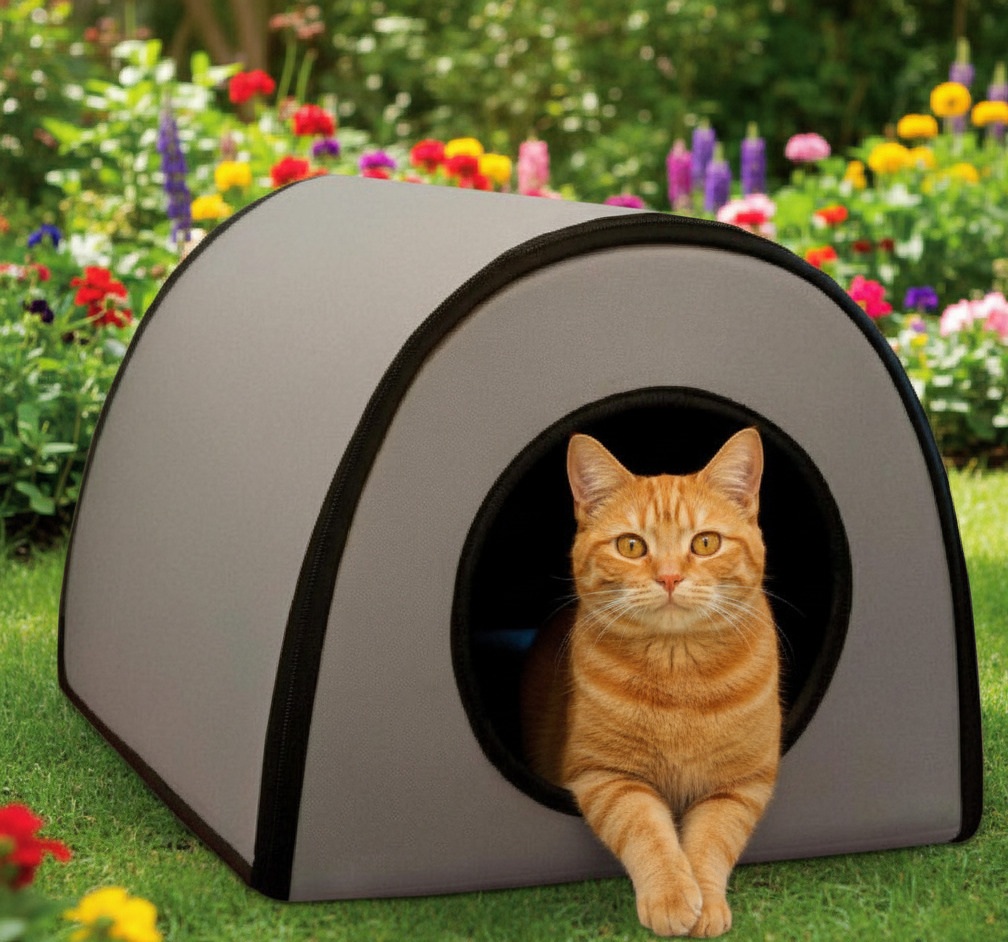
Never drag, pull, or force your cat to move. Let them dictate the pace of the adventure. If they only want to sit on the porch step and sniff the breeze for ten minutes, that is a successful adventure. If your cat has the right personality and you have completed the safety checks, you are ready for the next step: selecting the right gear. Remember, never attach a leash to a standard neck collar, as a spooked cat can back out of it in seconds. Success lies in preparation, the right escape-proof harness, and unwavering patience.
1 thought on “Is Your Indoor Cat Ready for the Outdoors? A Personality Assessment”
Comments are closed.