
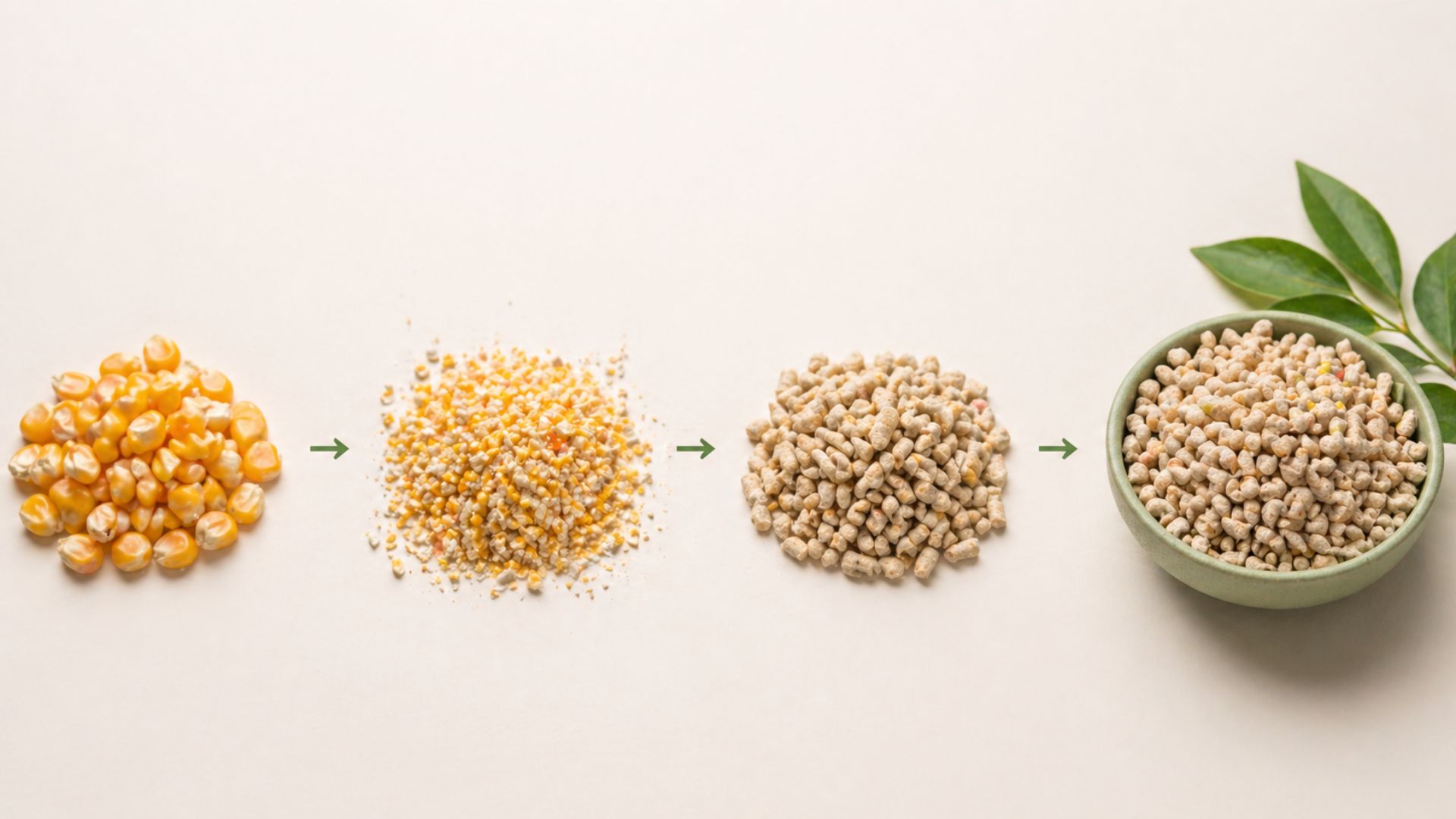
Maize cat litter (or corn cat litter) is a 100% biodegradable, natural cat litter made from whole-kernel corn. It is highly valued for being 99% dust-free, exceptionally absorbent, and offering superior odor control compared to traditional clay. For US pet parents with asthmatic cats or chemical sensitivities, maize cat litter provides the safest and most eco-friendly waste management solution.
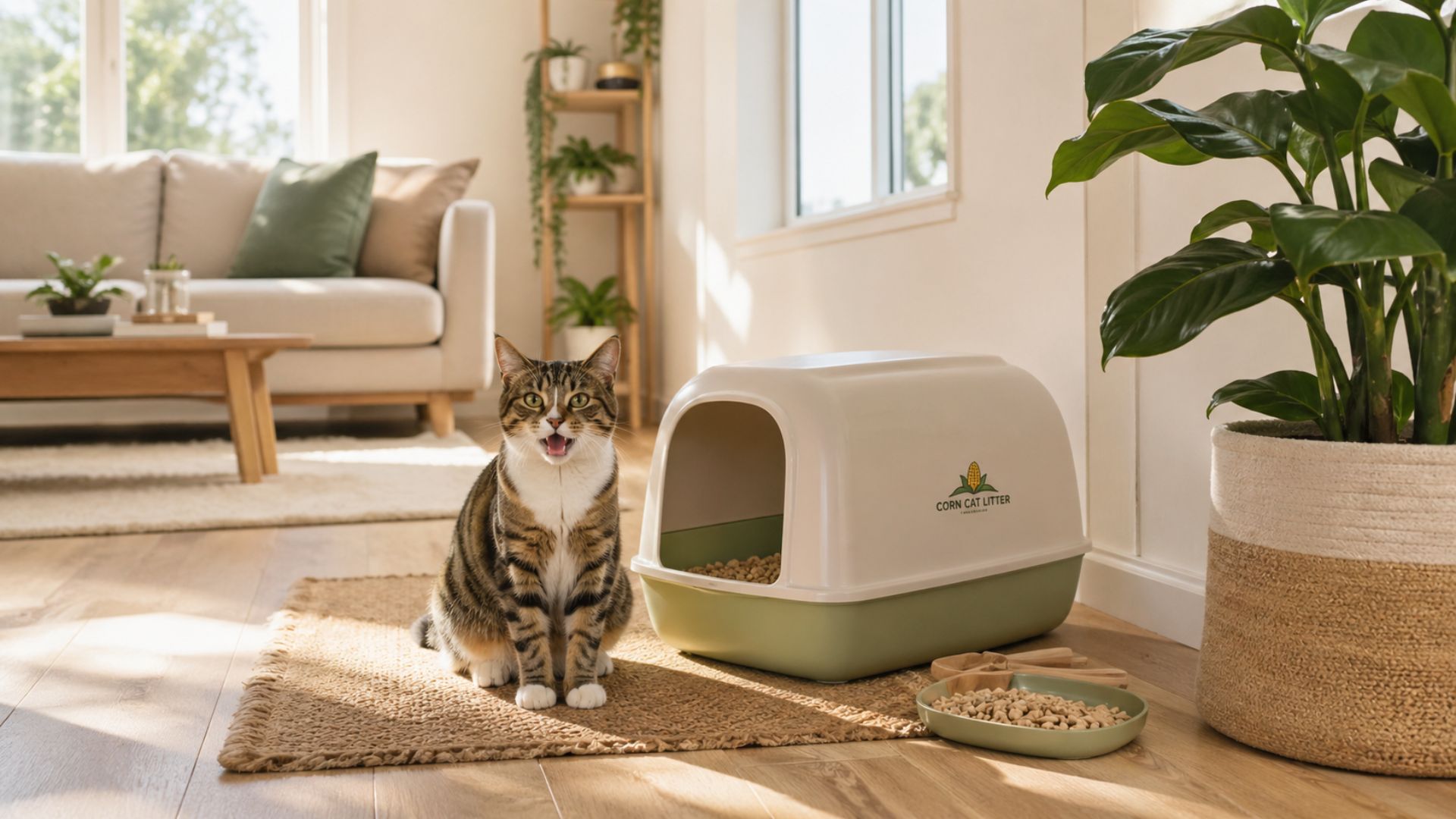
The US pet care industry is witnessing a massive revolution. Driven by Millennials and Gen Z pet parents who demand transparency, the natural cat litter market is booming. With the US cat litter market projected to reach $5.74 Billion by 2030, maize cat litter stands out as the ultimate star. Unlike strip-mined clay, which contributes millions of tons of heavy, non-biodegradable waste to US landfills every single year, corn is a renewable, sustainably harvested crop. This significant reduction in a household’s carbon paw-print is exactly what modern consumers are paying a premium for.
But is it worth the hype? And more importantly, is it safe? Let’s dive deep into the science, safety, and economics of maize cat litter.
Why Are You Considering Ditching Clay Litter?
The Silica Dust Hazard and the Natural Corn Promise
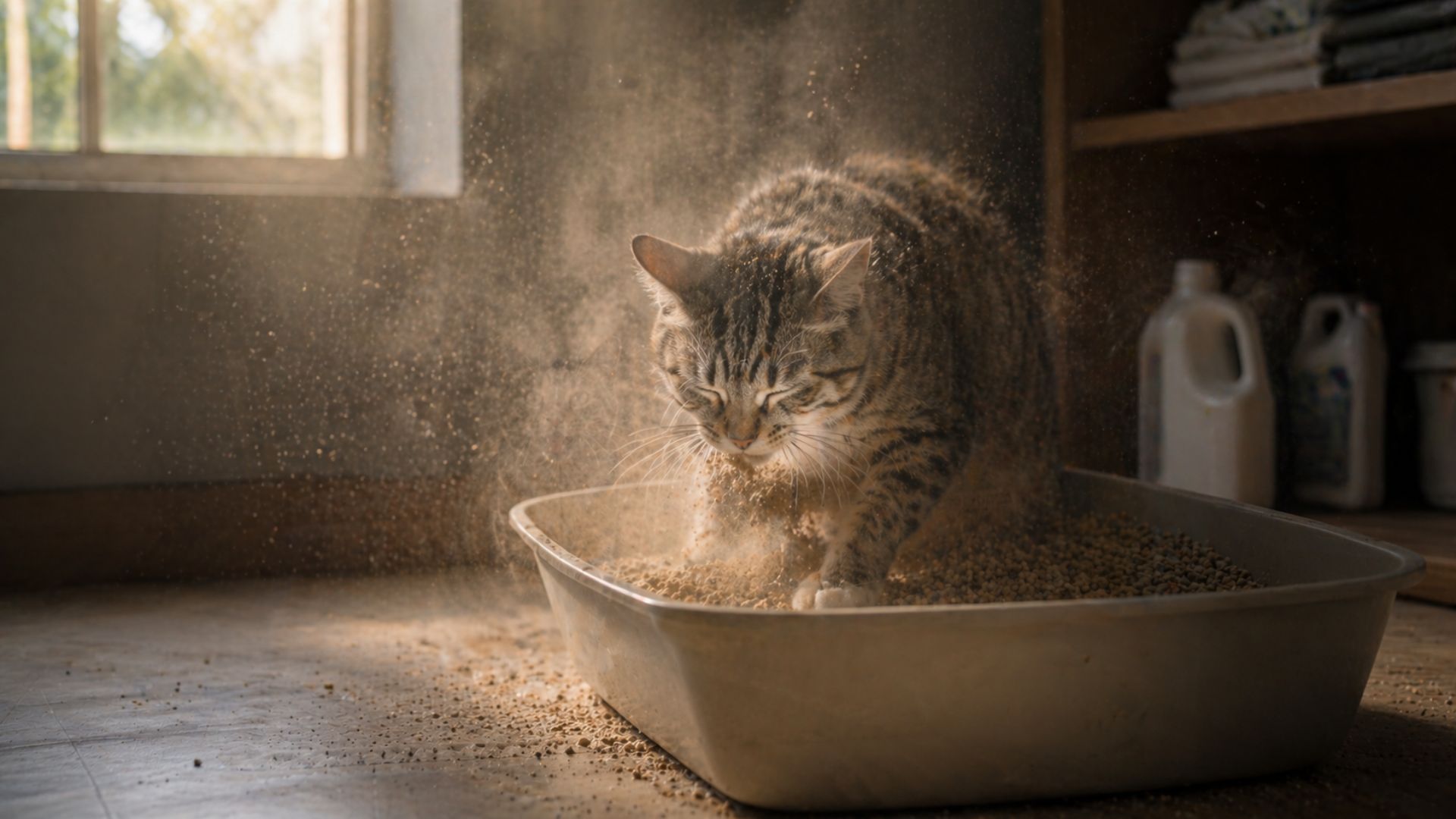
Most US pet parents begin their journey to natural litters due to a single, terrifying ingredient: silica dust. Traditional clumping clay (sodium bentonite) contains crystalline silica dust, a known carcinogen that poses severe respiratory risks to both cats and humans over time. Prolonged exposure can trigger severe feline asthma attacks, chronic bronchitis, and upper respiratory infections. Every time your cat digs in the box to bury their waste, a microscopic cloud of silica is kicked into the air, settling into their fragile lungs and eventually circulating through your home’s HVAC system.
Driven by the “pet humanization” trend, modern pet parents are treating cats as family members. Maize cat litter promises a 99% dust-free experience, replacing harmful mining byproducts with renewable, food-grade agricultural materials.
The Science of Performance: Absorption, Clumping, and Odor Control
Why Maize Absorbs 3X Better Than Clay?
How does maize cat litter stack up against traditional options? Corn uses its highly porous natural starch structure to instantly ‘trap and lock’ liquids and ammonia odors at the molecular level. While conventional clay litters often rely on heavy, artificial perfumes and baking soda to simply mask the smell of a dirty box, the natural enzymes and starches in whole-kernel corn work proactively. They neutralize the ammonia vapors before they can even evaporate into your living space, keeping your home smelling fresh naturally. In high-performance tests, premium maize litter can absorb 3 to 4 times its weight in liquid—far exceeding the capacity of standard clay.
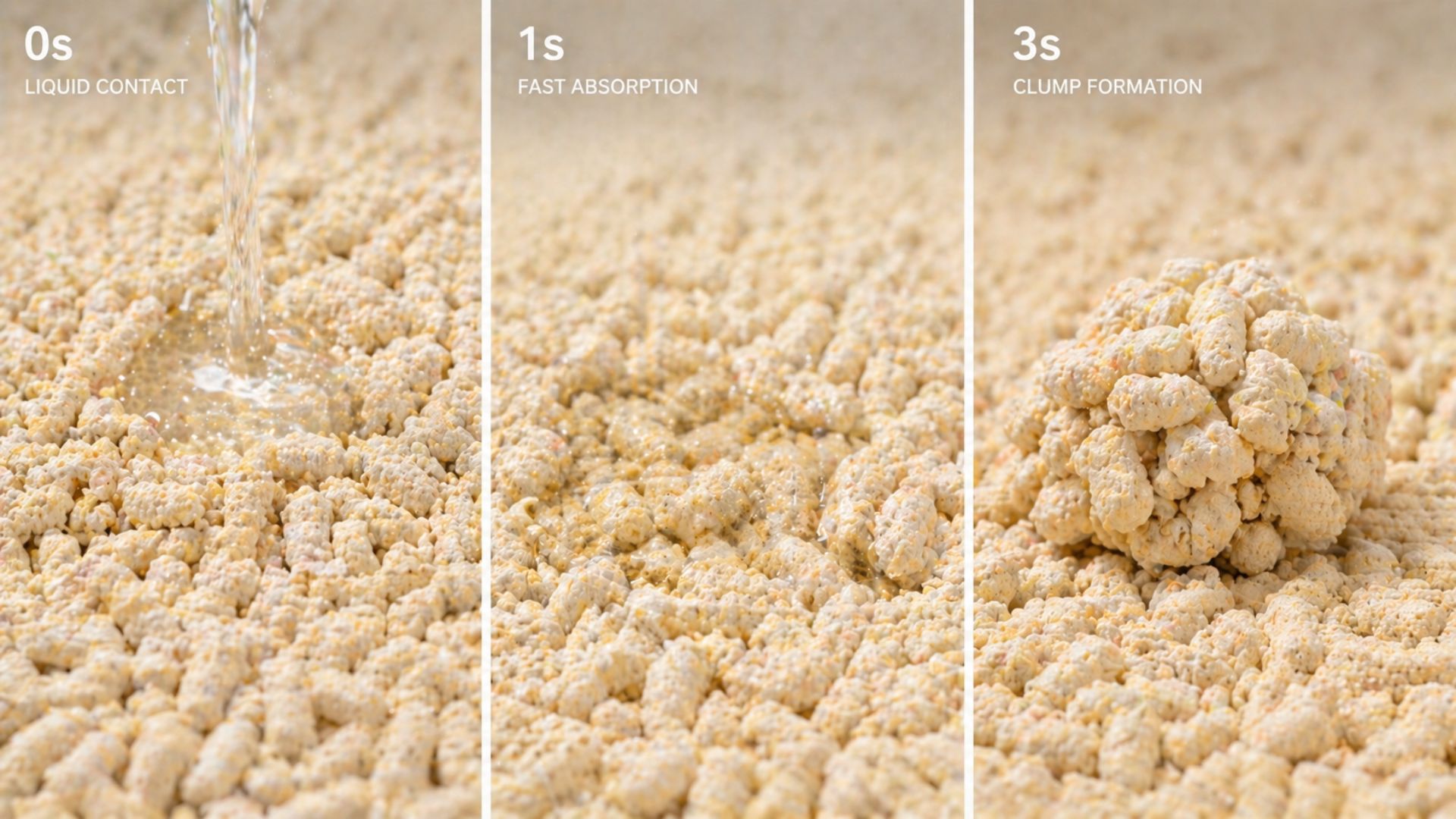
When it comes to “paw-feel,” maize litter often features a sandy texture that cats naturally gravitate toward, making it vastly superior to chunky wood or paper pellets.
Performance Comparison: Maize vs. Other Litters
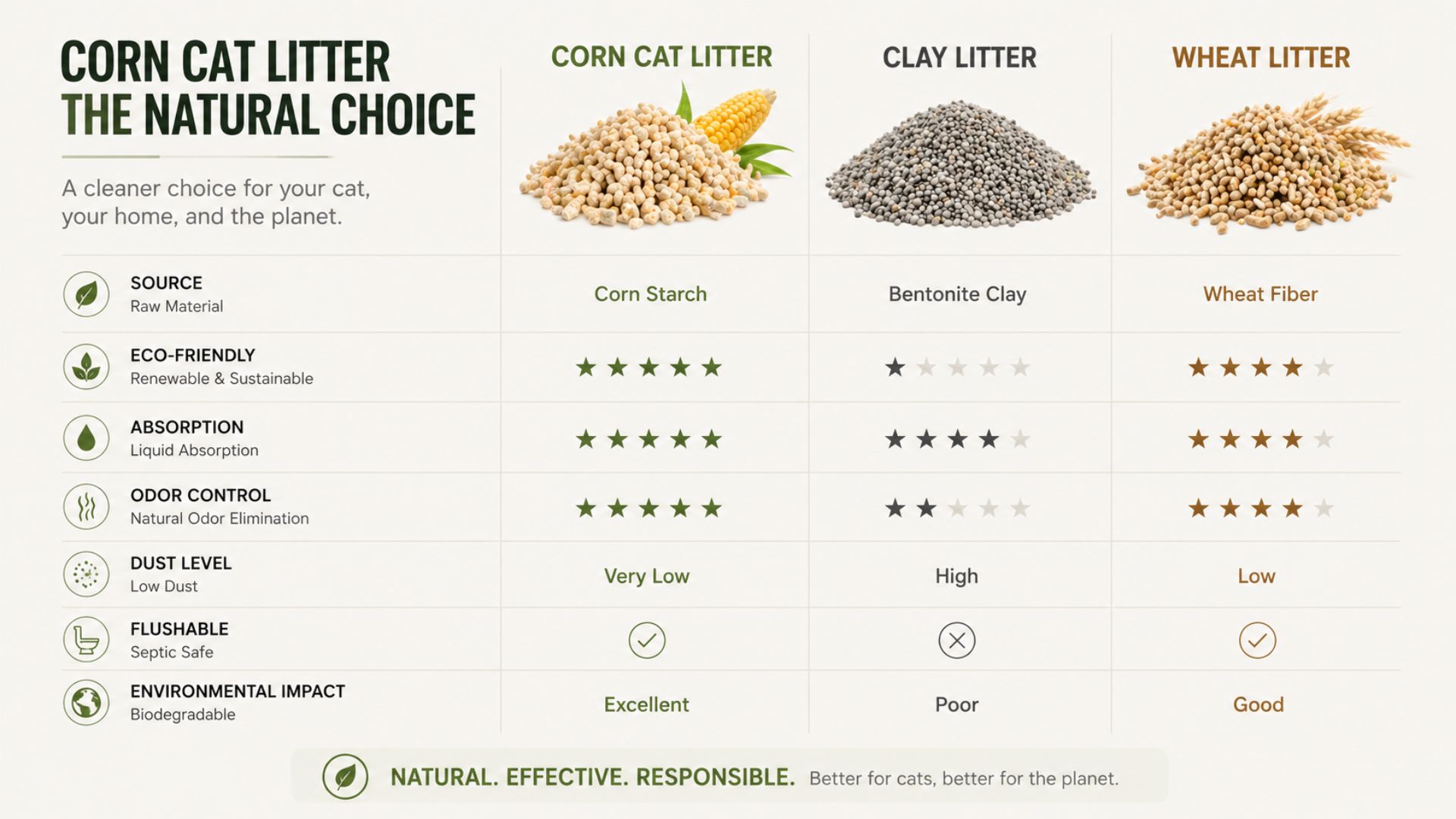
| Feature | Maize Cat Litter (Corn) | Traditional Clay | Wheat Litter | Grass Seed |
|---|---|---|---|---|
| Clumping Power | Extremely Strong | Very Strong | Moderate | Strong |
| Dust Levels | Ultra-Low | High | Low | Low |
| Odor Control | Natural Starch Binding | Chemicals/Charcoal | Natural | Good |
| Flushability | Yes (State dependent) | Never | Yes | Yes |
| Cost per lb | High | Low | Moderate | High |
The Safety Profile: The Truth About Aflatoxin and Mycotoxins
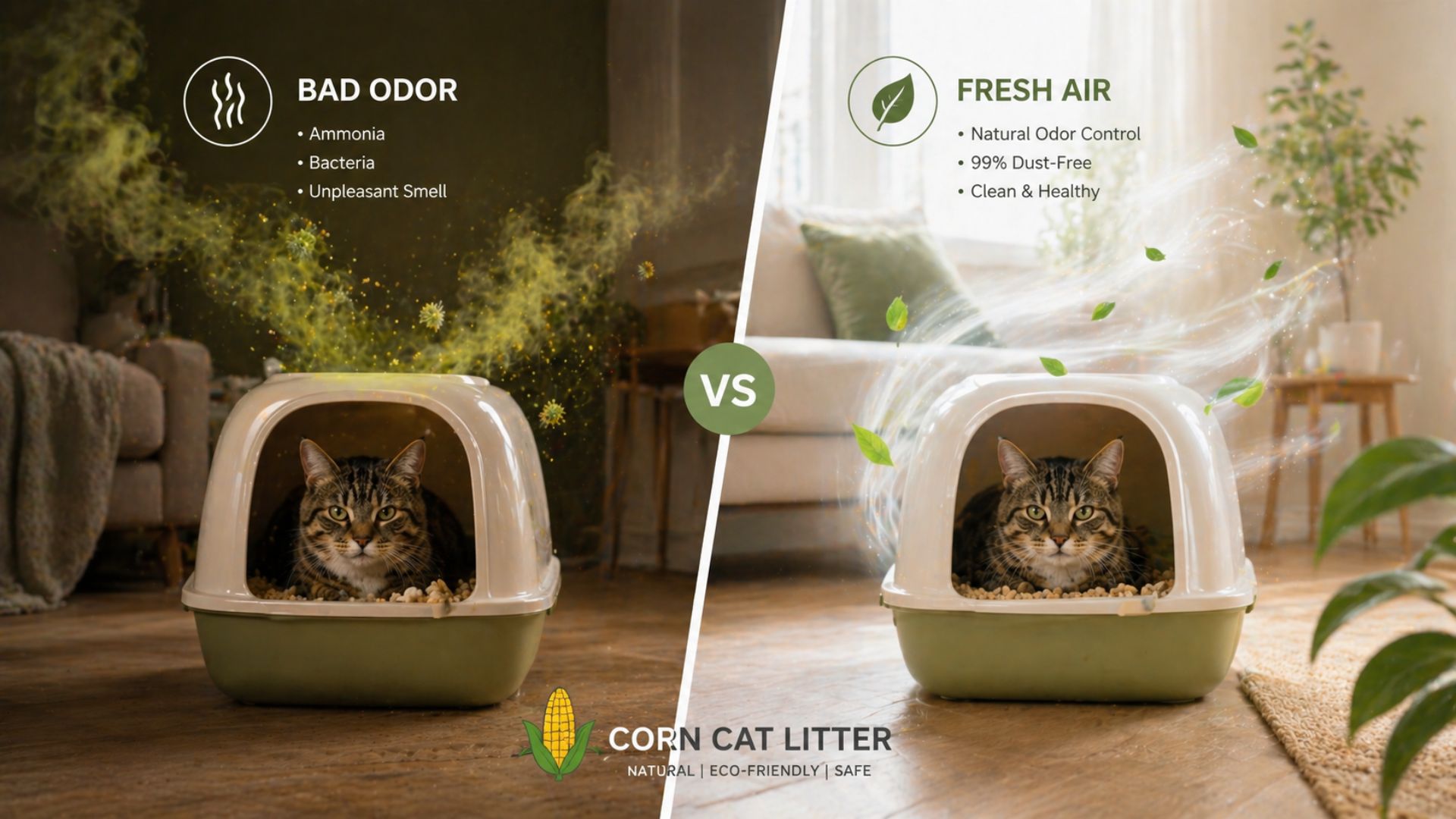
If you are searching “Is corn cat litter safe?“, you need to know about Aflatoxin. This is a crucial topic often ignored by brands but essential for your cat’s health.
Aflatoxin is a toxic mycotoxin produced by Aspergillus mold, which can grow on agricultural crops like corn when exposed to moisture and heat. Since a litter box contains urine (moisture) and sits at room temperature, the risk of mold spore development is real. If a cat inhales these spores or ingests the litter while grooming, it can lead to acute liver damage. Because cats are extremely fastidious groomers, any dust or small damp litter particles that stick to their paws or fur will inevitably be licked off and ingested during their daily cleaning routines. This direct pathway into the digestive system makes preventing mold growth in the litter box absolutely critical for their safety.
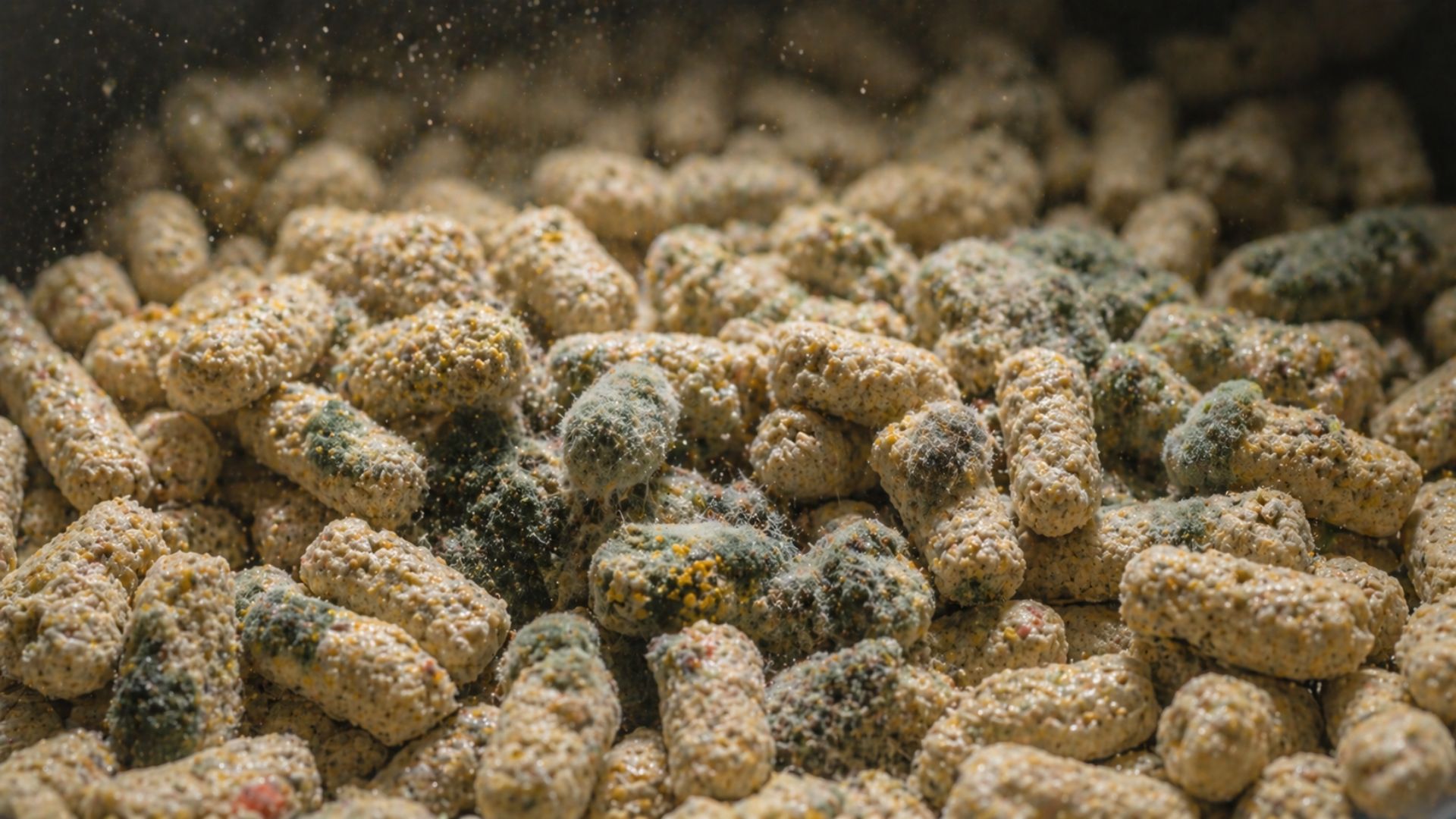
Symptoms of Aflatoxin toxicity include: Lethargy, jaundice (yellowing of eyes/gums), vomiting, and in severe cases, sudden liver failure.
Veterinary Insight & Geographic Risk Analysis: Pet parents living in humid Southern states (like Texas, Florida, or Georgia) must be extra vigilant about mold compared to those in drier Northern states. Top brands like World’s Best rigorously test their corn supply for mycotoxins before manufacturing, but home maintenance is still your responsibility.
5-Step Mold Prevention Strategy for Your Home
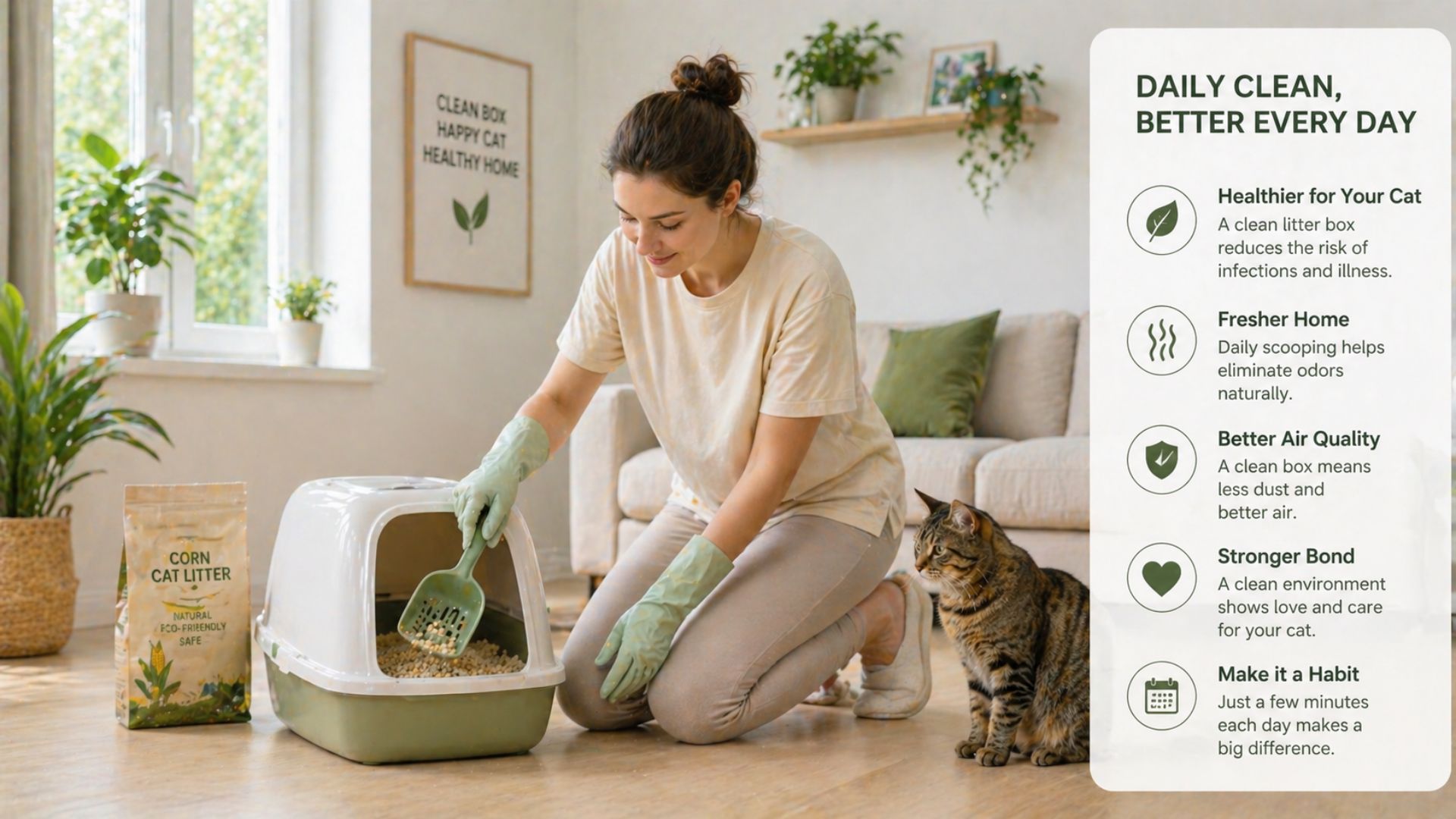
- Airtight Storage: Always store unused maize cat litter in a sealed, airtight plastic container to keep ambient humidity out.
- Strategic Placement: Never place the litter box in the bathroom—the highest humidity room in the house.
- Daily Scooping: Scoop urine clumps at least twice a day to remove the moisture source that feeds mold spores.
- Airflow is Key: Use an uncovered (open) litter box to ensure the litter stays completely dry.
- Full Replacement: Dump and wash the entire box every 2 to 4 weeks, even if the remaining litter looks clean.
Legalities and Environment: Are You Really Allowed to Flush Cat Litter?
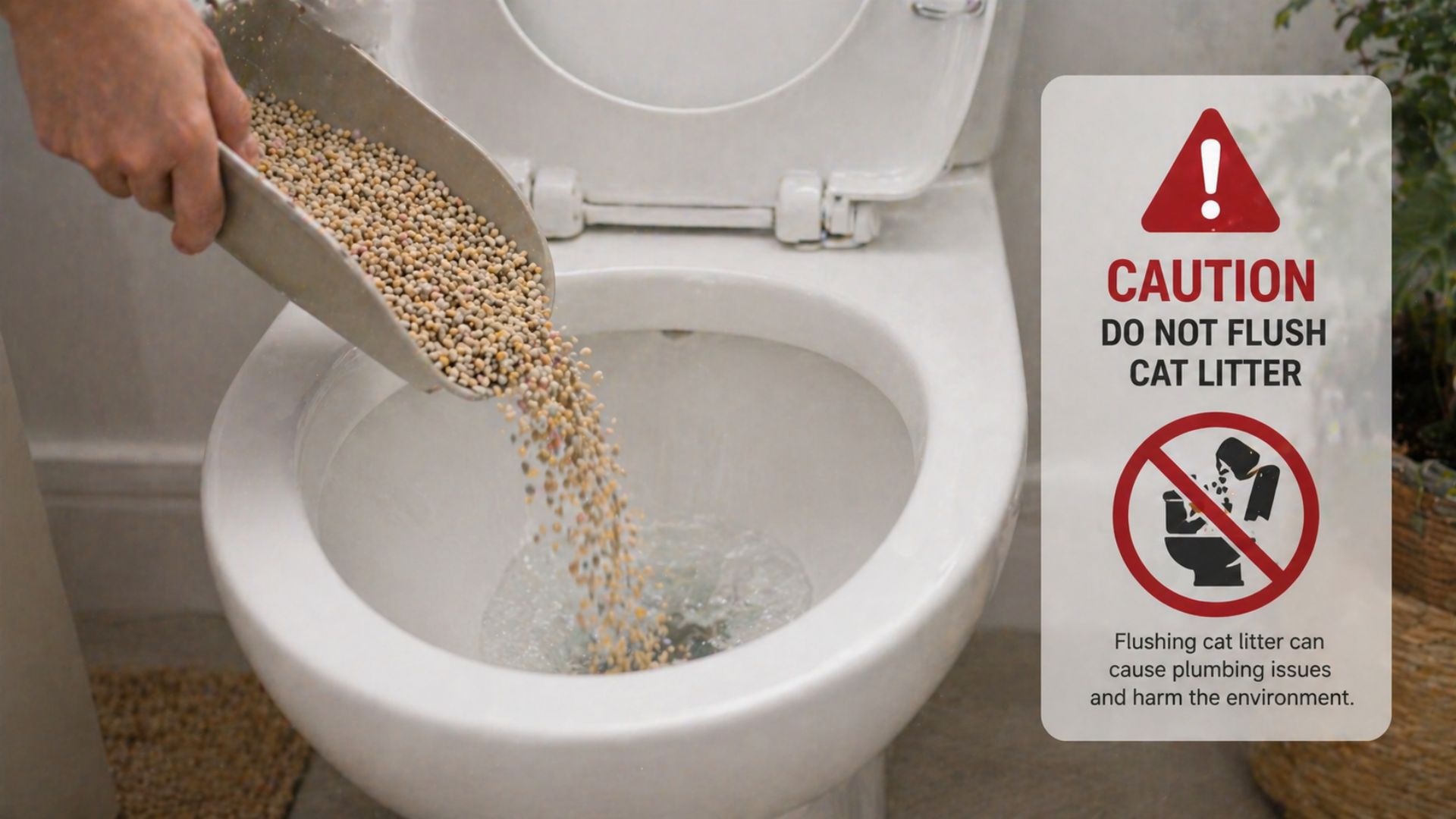
One of the biggest selling points of maize cat litter is flushability. However, US regulations vary heavily by state.
For instance, in California, Assembly Bill 2485 strongly discourages flushing cat feces down the toilet. This law isn’t just about protecting plumbing; it’s designed to protect sea otters and marine life from Toxoplasma gondii, a parasite found in cat feces that municipal water treatment plants cannot effectively filter out. Always check your local municipal guidelines before flushing any biological waste.
Real Cost Comparison: How Corn Litter Saves You $200 a Year
Maize cat litter has a higher upfront cost per pound. However, US consumers love a good ROI (Return on Investment) calculation. Because corn clumps so tightly and absorbs so much, you throw away significantly less unsoiled litter.
Annual Cost ROI: Cheap Clay vs. Premium Maize Litter
| Expense Metric | Cheap Clay Litter | Premium Maize Litter (e.g., World’s Best) |
|---|---|---|
| Cost per Bag | ~$15.00 (40 lbs) | ~$34.00 (28 lbs) |
| Bag Lifespan (1 Cat) | 15 – 20 days | 60 – 90 days |
| Litter Used per Month | ~60 lbs | ~10 – 12 lbs |
| Estimated Monthly Cost | ~$22.50 | ~$11.00 – $14.00 |
| Estimated Annual Cost | ~$270.00 | ~$132.00 – $168.00 |
Conclusion: Switching to maize cat litter can save you over $100 to $130 annually per cat.
Top Maize Cat Litter Brands in the US (2026 Reviews)
- World’s Best Cat Litter: The undisputed market leader. Uses a patented whole-kernel corn formula that is 99% dust-free and flushes easily.
- Sustainably Yours: A brilliant hybrid of corn and cassava. It creates bright white clumps, making it incredibly easy to monitor your cat’s urine color for medical issues.
- Nature’s Miracle Corn Litter: Best for multi-cat households, utilizing natural bio-enzymes to break down stubborn ammonia odors.
- Arm & Hammer Plant Power: A budget-friendly, natural alternative blending corn with other plant fibers and baking soda for odor elimination.
Dealing with the “Natural Scent”: Some users report that maize cat litter develops a “fermented corn” or “gym sock” smell over time. Pro Tip: Mix in a light dusting of pure baking soda or activated charcoal powder to neutralize this earthy scent safely.
The 3-Week Transition Guide: Switching Your Cat to Corn
Cats are creatures of habit. If you switch their litter abruptly, they may protest by eliminating outside the box. Follow this vet-approved 3-week transition plan:
- Week 1: Fill the box with 2/3 of their old clay litter and 1/3 new maize litter. Mix well.
- Week 2: Change the ratio to 50/50. (Note: Some cats may try to eat the corn litter initially because it smells like food. Being food-grade, a few nibbles won’t hurt, but monitor them closely). If your cat becomes overly hesitant or begins eliminating outside the box at this stage, do not force the transition. Retreat to a 75% clay and 25% corn mix for a few more days to let them adjust to the new sandy texture, and consider sprinkling a feline litter attractant (often made of natural herbs) to encourage them to dig.
- Week 3: Move to 100% maize cat litter.
Frequently Asked Questions (FAQ)
Is maize cat litter safe for kittens? Yes. Unlike clumping clay, which can cause intestinal blockages if ingested by curious kittens, maize cat litter is made from digestible food-grade corn, making it a much safer alternative for kittens under 4 months old.
Hey Google, what is the safest corn cat litter for a cat with respiratory issues? The safest option is an unscented, 99.9% dust-free whole-kernel corn litter, such as the World’s Best Comfort Care Unscented. It eliminates the silica dust that exacerbates feline asthma.
Can I put maize cat litter in my compost bin? Yes, but with a major caveat. You can compost maize cat litter ONLY if it has not been soiled with cat feces (due to Toxoplasma risks). Never use composted cat litter on edible gardens; restrict it to ornamental flower beds.
Disclaimer: This article is for informational purposes only. Always consult your DVM (Doctor of Veterinary Medicine) regarding your cat’s specific health needs and any sudden changes in litter box habits.