
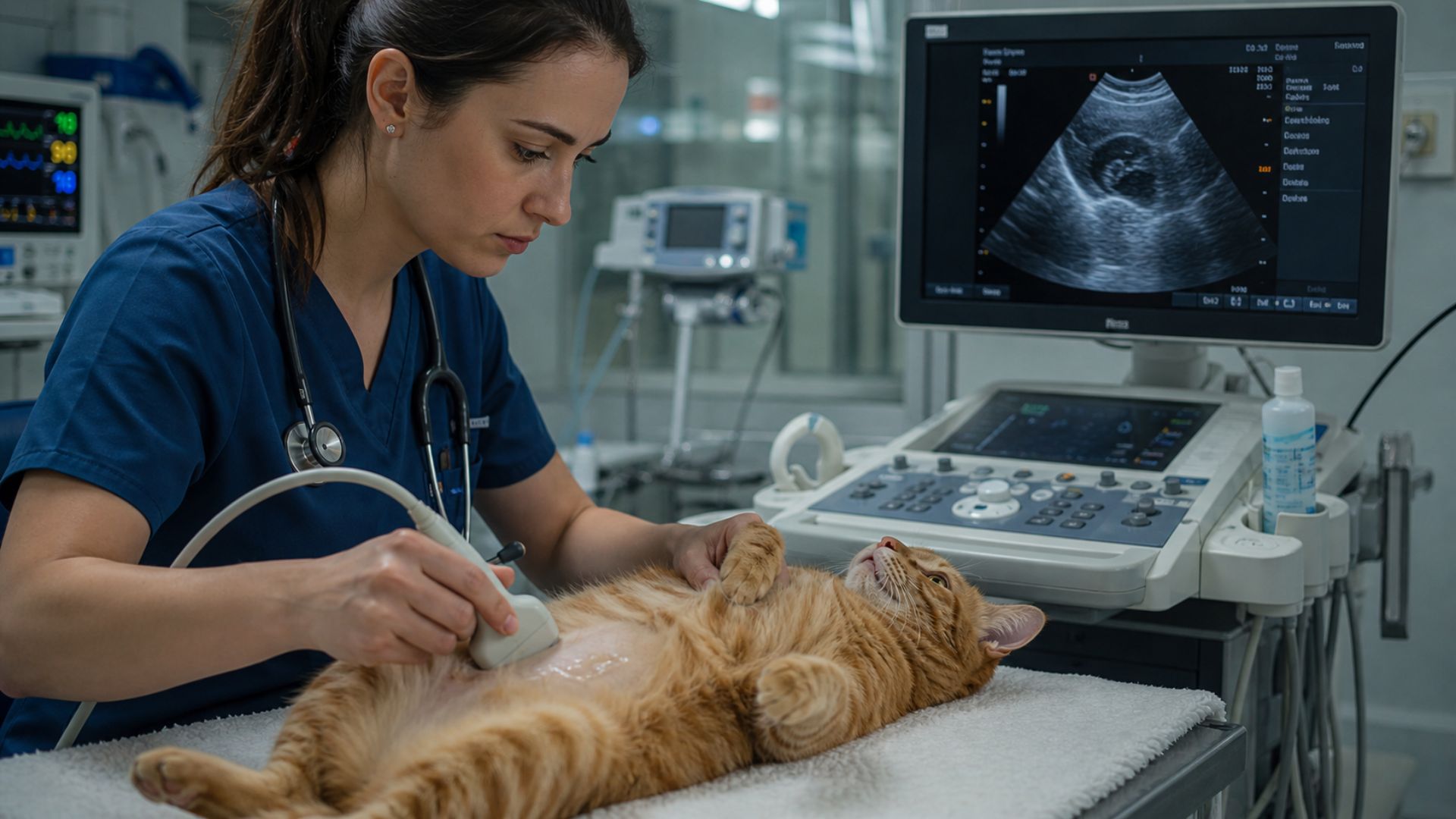

Introduction
It’s 2 a.m. Your cat is breathing heavily, curled up in the corner, and refusing to eat. Your heart sinks — and then another thought hits you immediately: “If I rush her to the emergency vet, what is this going to cost me?”
This is a moment millions of cat owners have faced. The fear for your pet’s life collides head-on with the fear of a bill you can’t afford — and both are completely real.
This guide was written to help you prepare before a crisis strikes. Inside, you’ll find:
- Detailed price breakdowns for the most common emergency vet services
- A clear guide to home triage — knowing when you truly need the ER vs. a cheaper alternative
- Practical financial solutions for when the bill is more than you expected
1. Why Are Emergency Vet Bills So Expensive
Before looking at the numbers, it helps to understand why emergency veterinary fees are so high — because that context makes everything easier to navigate.
An Emergency Animal Hospital Is the Equivalent of a Human ICU
Emergency vet facilities are not your regular neighborhood clinic. They operate like a full-service hospital — open 24 hours a day, 7 days a week, 365 days a year — ready to accept life-threatening cases at any moment. Three core factors drive the high cost:
① Highly Specialized Staff Emergency animal hospitals are staffed by veterinarians who hold board certifications in Emergency and Critical Care (DACVECC). These are specialists trained to manage life-threatening situations under extreme pressure — from acute respiratory failure to anaphylactic shock. Their level of expertise commands a premium, and that cost is reflected in your bill.
② Advanced Equipment That’s Expensive to Maintain Many emergency facilities are equipped with CT scanners, MRI machines, in-house labs for immediate results, high-flow oxygen cages, and continuous vital sign monitors. Most general practice clinics don’t have these tools — and the capital cost of purchasing and maintaining them is substantial.
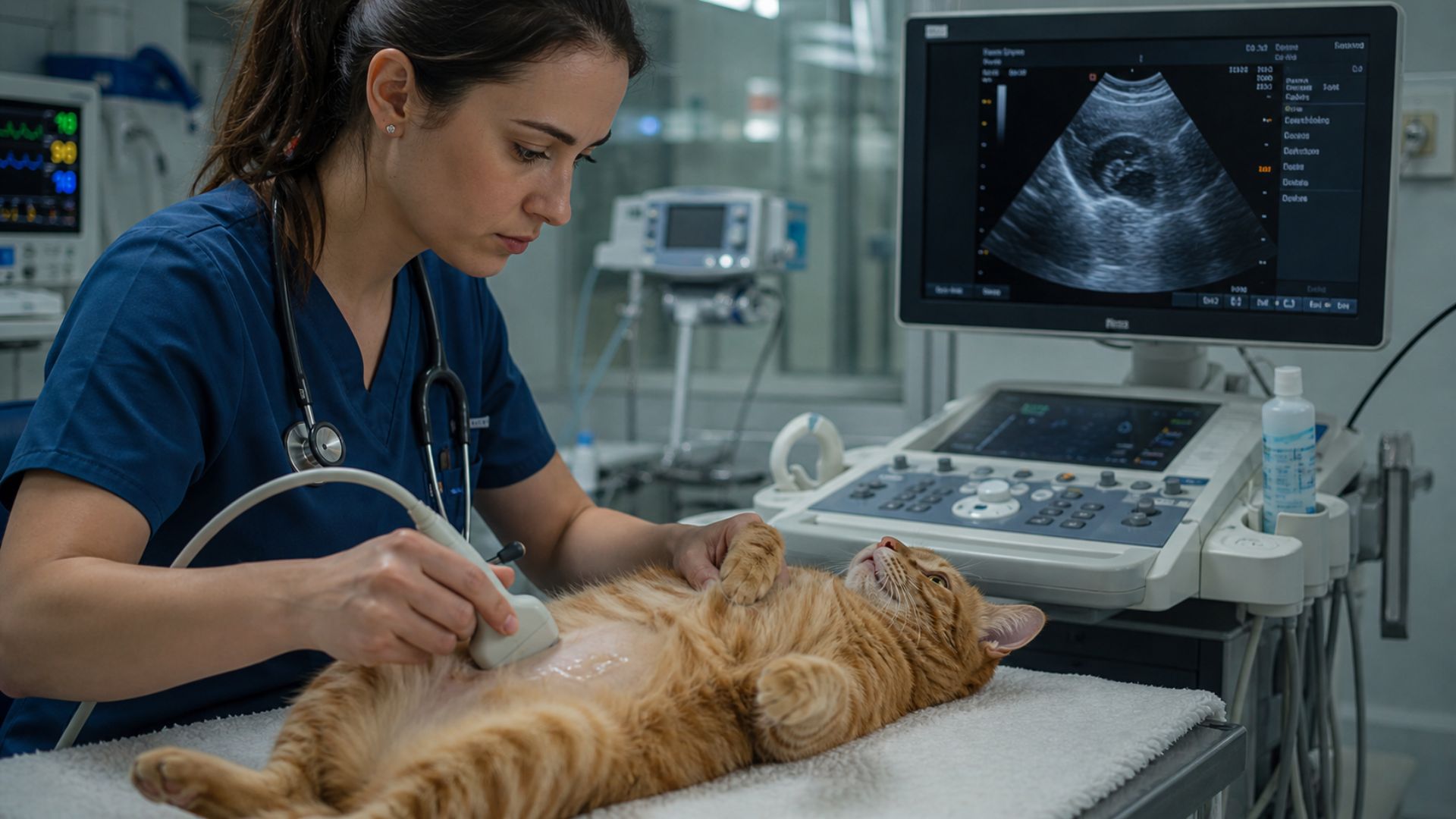
③ Around-the-Clock Operating Costs Running a hospital overnight, on weekends, and on holidays means significantly higher staffing, utilities, and liability costs compared to a standard 9-to-5 clinic.
The Gap Between “Exam Fee” and “Total Bill”
One of the most common sources of sticker shock: owners mentally prepare for the exam fee — typically $100 to $250 — without realizing the total bill can be 10 to 20 times higher once diagnostics, imaging, medications, and hospitalization are factored in.
Real-world example: A urinary blockage in a male cat — one of the most common feline emergencies — can start around $700 and easily climb to $4,000 if multi-day hospitalization is required.
2. Emergency Vet Cost Breakdown: What You’re Actually Paying For
The tables below reflect estimated costs based on data from veterinary hospitals across the United States. Actual prices vary by geographic location, individual clinic, and the complexity of each case.
Basic Service Fees
| Service | Estimated Cost (USD) |
|---|---|
| Emergency exam fee (ER) | $100 – $250 |
| After-hours exam fee | $150 – $300+ |
| Basic blood panel | $80 – $200 |
| Full blood panel | $80 – $400 |
| Urinalysis | $40 – $100 |
| X-rays (2–3 views) | $150 – $600 |
| Abdominal or cardiac ultrasound | $300 – $900 |
| Electrocardiogram (EKG) | $500 – $1,000 |
Surgery and Emergency Intervention Fees
| Procedure | Estimated Cost (USD) |
|---|---|
| Foreign body removal (GI) | $1,500 – $5,000 |
| Bladder stone surgery (cystotomy) | $1,000 – $3,000 |
| Orthopedic surgery (fracture repair) | $2,000 – $5,000+ |
| Wound care / bite wound repair | $800 – $2,500 |
| Emergency abdominal surgery (internal bleeding) | $1,000 – $5,000 |
Hospitalization and Intensive Care Fees
| Service | Cost Per Night (USD) |
|---|---|
| Standard monitoring | $600 – $800 |
| Intensive care unit (ICU) | $800 – $1,500 |
| Oxygen therapy (24 hours) | $500 – $3,000 |
| Blood transfusion (per unit) | $500 – $2,000 |
💡 Pro tip: Always request a written estimate before agreeing to any procedure. This is your right as a pet owner, and any reputable hospital will provide one without hesitation.
3. Emergency Cat Vet Cost by Medical Condition
Numbers become more meaningful in context. Here’s what you can realistically expect to pay for the most common feline emergencies, from start to discharge:
| Emergency Condition | Estimated Total Cost (USD) | Key Cost Components |
|---|---|---|
| Urinary blockage (FLUTD) | $700 – $4,000 | Catheterization, hospitalization, blood work |
| Gastrointestinal foreign body | $1,500 – $7,000 | Emergency surgery, anesthesia, imaging |
| Trauma (accident, fall) | $500 – $4,000 | Pain management, X-rays, wound treatment |
| Anaphylactic shock | $500 – $1,000 | Stabilization drugs, continuous monitoring |
| Poisoning (lilies, toxins) | $200 – $2,000 | Decontamination, IV fluids, blood work |
| Respiratory distress (oxygen needed) | $500 – $3,000 | Oxygen therapy, cardiac/pulmonary diagnostics |
| Simple constipation | $30 – $200 | Laxatives, enema |
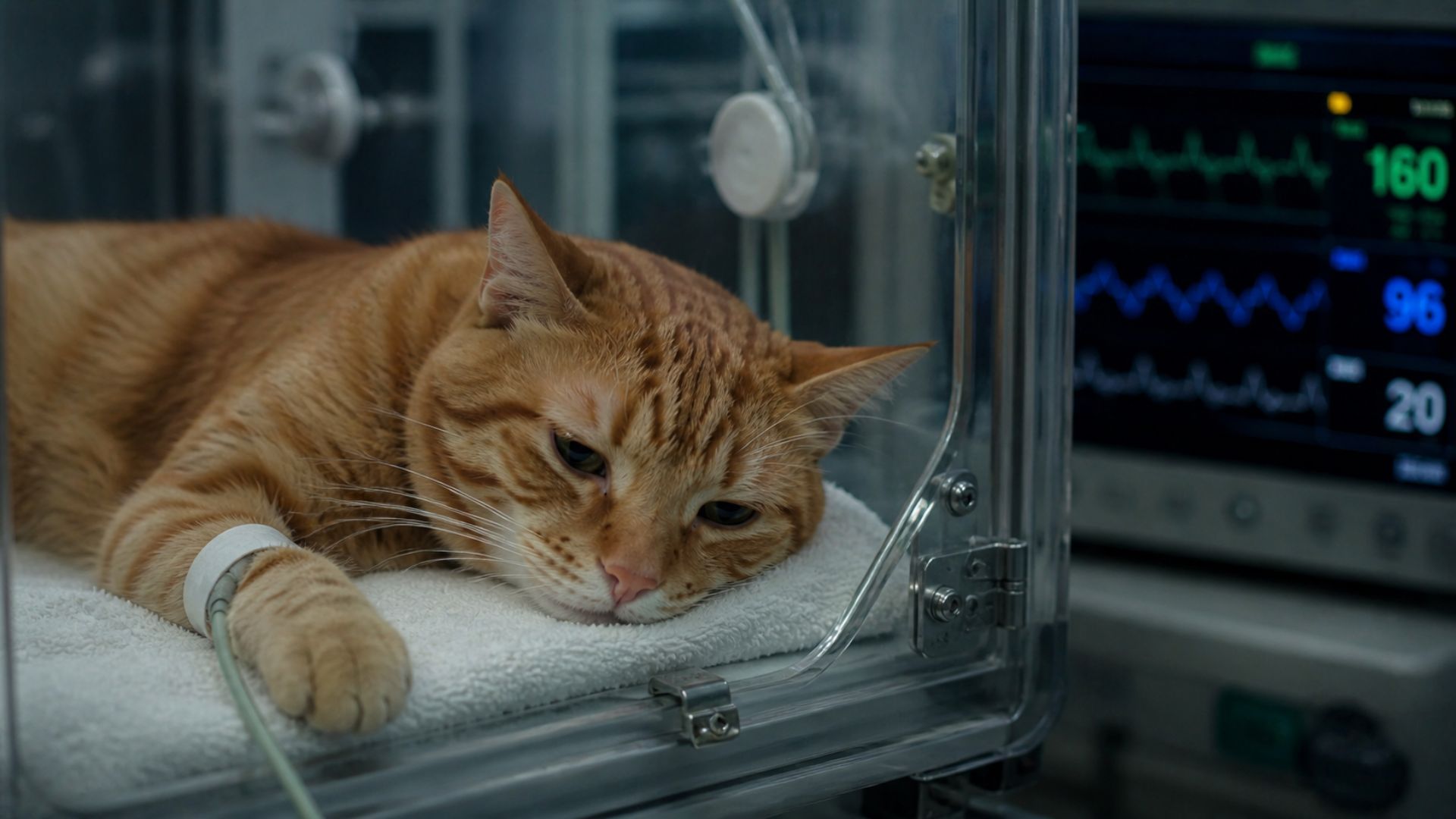
⚠️ Critical note: Urinary blockage in male cats is a life-threatening emergency that can become fatal within 24–48 hours if left untreated. If your male cat is straining in the litter box and producing little or no urine, go to an emergency vet immediately — this is not a “wait and see” situation.
4. Does My Cat Actually Need the ER? A Home Triage Guide
Not every alarming symptom requires a trip to the expensive emergency room — and knowing the difference can save you hundreds, sometimes thousands, of dollars while still getting your cat the care it needs.
🔴 Red Flags — Go to the ER Immediately
Don’t wait. Head to the nearest emergency animal hospital if your cat shows any of the following:
- Difficulty breathing: open-mouth breathing, gasping, or abnormally labored chest movement
- Unable to urinate (especially male cats): straining with little or no output — this is an absolute emergency
- Uncontrolled vomiting or diarrhea lasting several hours
- Seizures or loss of consciousness
- Trauma: hit by a car, fell from a significant height, or any forceful impact
- Known or suspected poisoning: lily flowers or pollen, xylitol, human medications, cleaning products, or rodenticides
- Uncontrolled bleeding
- Sudden paralysis or inability to use the hind legs
- Distended, hard, or painful abdomen
- Blue, purple, white, or gray gums or tongue (sign of oxygen deprivation)
🟡 Yellow Flags — Urgent Care or Call Ahead First
These symptoms need attention within hours, but may not require the most expensive ER option:
- Mild vomiting or diarrhea (1–2 episodes, cat is still alert)
- Reduced appetite or skipping one meal
- Red or watery eyes
- Small surface wounds or superficial bite marks
- Mild limping but still bearing weight
- Excessive scratching at ears or shaking head
Urgent Care vs. ER vs. Regular Vet: Which One Do You Need?

| Regular Vet Clinic | Urgent Care | Emergency Room (ER) | |
|---|---|---|---|
| Appointment | Required | Walk-in or scheduled | No appointment needed |
| Exam fee | $50 – $75 | $100 – $200 | $150 – $300+ |
| Hours | Business hours | Evenings, weekends | 24/7/365 |
| Capabilities | Vaccines, minor illness | Wounds, infections, mild GI issues | Major trauma, surgery, ICU |
| Savings vs. ER | ~60% less | ~40% less | — |
💡 Money-saving tip: If your cat’s condition falls in the “yellow” category, look for a pet urgent care clinic in your area instead of heading straight to the ER. You’ll typically pay 30–40% less while still receiving timely, quality care.
5. How to Pay for an Unexpected Vet Bill
Facing a $2,000–$5,000 bill in the middle of a panic is one of the most stressful experiences a pet owner can go through. Here are your real options — and what to know about each one.
① Pet Insurance — The Best Long-Term Protection
Pet insurance operates on a “pay first, get reimbursed later” model: you pay the full bill at the clinic, then submit a claim to receive partial reimbursement.
How reimbursement is calculated: Reimbursement Amount=(Eligible Bill−Annual Deductible)×Reimbursement Rate\text{Reimbursement Amount} = (\text{Eligible Bill} – \text{Annual Deductible}) \times \text{Reimbursement Rate}Reimbursement Amount=(Eligible Bill−Annual Deductible)×Reimbursement Rate
Example: $1,800 bill | $200 annual deductible | 80% reimbursement rate → Reimbursement = ($1,800 − $200) × 80% = $1,280 back in your pocket
⚠️ The pre-existing condition trap: Most insurers will not cover conditions your cat was diagnosed with before the policy start date. Buy insurance while your cat is young and healthy — before any health issues arise. Reading the fine print on exclusions before you buy can save you from unpleasant surprises later.
② Medical Payment Plans — CareCredit and Scratchpay
If you don’t have insurance, these are the two most widely accepted financing options at veterinary hospitals across the U.S.:

CareCredit
- A healthcare-specific credit card accepted at thousands of vet clinics
- Offers deferred interest promotional periods (typically 6–24 months with 0% interest)
- ⚠️ If you don’t pay the full balance before the promotional period ends, retroactive interest (often 26–27% APR) is applied to the entire original balance — not just what remains
Scratchpay
- Faster application process with more flexible credit requirements
- Fixed interest rates with clear repayment terms — generally more transparent than CareCredit for those who can’t guarantee paying off the balance within the promo window
- Does not require a high credit score to qualify
💡 Tip: Apply for CareCredit before an emergency happens. Getting approved while you’re stressed and in a waiting room is not the ideal time to be filling out credit applications.
③ Charitable Organizations and Financial Assistance
If you’re facing genuine financial hardship, don’t be afraid to ask for help. The following organizations exist specifically to help pet owners in crisis:
- Frankie’s Friends (frankiesfriends.org): Provides emergency medical funding for pets across the U.S.
- Best Friends Animal Society (bestfriends.org): Maintains a comprehensive directory of financial assistance resources by state
- Humane World for Animals (humaneworld.org): Guides for pet owners who can’t afford care
- Waggle / GoFundMe: Crowdfunding platforms where the pet-loving community often rallies quickly around compelling cases — particularly effective when the prognosis is good but the costs are overwhelming
④ Veterinary Teaching Hospitals
A lesser-known but highly effective option: veterinary school teaching hospitals often provide emergency services at significantly lower prices than private hospitals. Cases are handled by supervised veterinary students under the direct oversight of experienced licensed veterinarians — quality care at a fraction of the typical cost. Search for the nearest accredited veterinary college in your state.
6. How to Prepare Before a Crisis Hits
Preparation is the single most powerful tool you have to avoid making major financial decisions in a state of panic.
✅ Your Emergency Preparedness Checklist
Financial preparation:
- Build a dedicated emergency fund for your cat — aim for $1,000–$3,000 in a separate savings account that you don’t touch for anything else. Many veterinary professionals consider this the most practical alternative to insurance for owners who prefer not to pay monthly premiums.
- Consider buying pet insurance while your cat is young and healthy — before any pre-existing condition can disqualify coverage.
- Apply for CareCredit now, not later. Having it in your wallet before an emergency means one less thing to figure out at 3 a.m.
Logistical preparation:
- Save the name, address, and phone number of at least one 24/7 emergency animal hospital near your home right now — before you ever need it.
- Know where your nearest urgent care pet clinic is located. This middle-ground option can save you 30–40% when the situation is serious but not life-threatening.
- Save the ASPCA Animal Poison Control Center number: (888) 426-4435 — available 24/7 if your cat ingests something toxic (a small consultation fee applies).
Telemedicine — your 2 a.m. lifeline:
- Services like Pawp, AirVet, or JustAnswer Vets let you consult a licensed veterinarian online at any hour, for a fraction of the cost of an ER visit.
- Particularly valuable in the middle of the night when you’re unsure whether your cat’s symptoms warrant waking the household and driving to the ER.
- Research shows that speaking with a veterinarian — even virtually — significantly reduces owner anxiety and leads to better, more objective decision-making during a crisis.
Conclusion
Emergency vet costs can be genuinely shocking — but they don’t have to be paralyzing if you’re prepared.
Your cat’s health and life always come first. But understanding how the system works, having a financial plan in place, and knowing when the ER is truly necessary will help you make clear-headed decisions instead of fear-driven ones in the moments that matter most.
Key takeaways to remember:
- 📋 Always request a written estimate before any procedure is performed
- 🏥 Know the difference between ER and Urgent Care — the right choice can save you 30–40%
- 💰 Build a $1,000–$3,000 emergency fund or get pet insurance while your cat is still young and healthy
- 📱 Save emergency vet contacts now — including a 24/7 hospital and a telemedicine service
- 🆘 Know the red flag symptoms so you never hesitate when your cat truly needs emergency care
A loved cat deserves a prepared owner — and hopefully, this guide gives you the confidence and clarity to handle whatever comes your way.
This article is intended for general informational purposes only. Costs may vary significantly by geographic location, individual veterinary practice, and the specific circumstances of each case. Always consult a licensed veterinarian for accurate diagnosis and treatment advice.