

1. Introduction
Cats are curious little creatures, aren’t they? They sniff, paw, and sometimes even take a sip of things they probably shouldn’t. If your cat has ever shown interest in your glass of almond milk, you might wonder: “Can cats have almond milk?” The answer isn’t as simple as yes or no. Let’s dive into the details to keep your feline friend safe, happy, and healthy!
2. What Is Almond Milk?
Almond milk is a plant-based drink made by blending almonds with water and then straining out the solids. It’s a popular choice for humans who are lactose intolerant or prefer dairy-free options. Almond milk can come in different varieties:
- Unsweetened almond milk: Plain and simple, no added sugar.
- Sweetened almond milk: Contains sugar or sweeteners (not great for cats).
- Flavored almond milk: Often includes vanilla or chocolate, which can be harmful to cats.
While almond milk might sound fancy, it’s important to remember that what’s good for humans isn’t always good for our furry friends.
3. Is Almond Milk Safe for Cats?
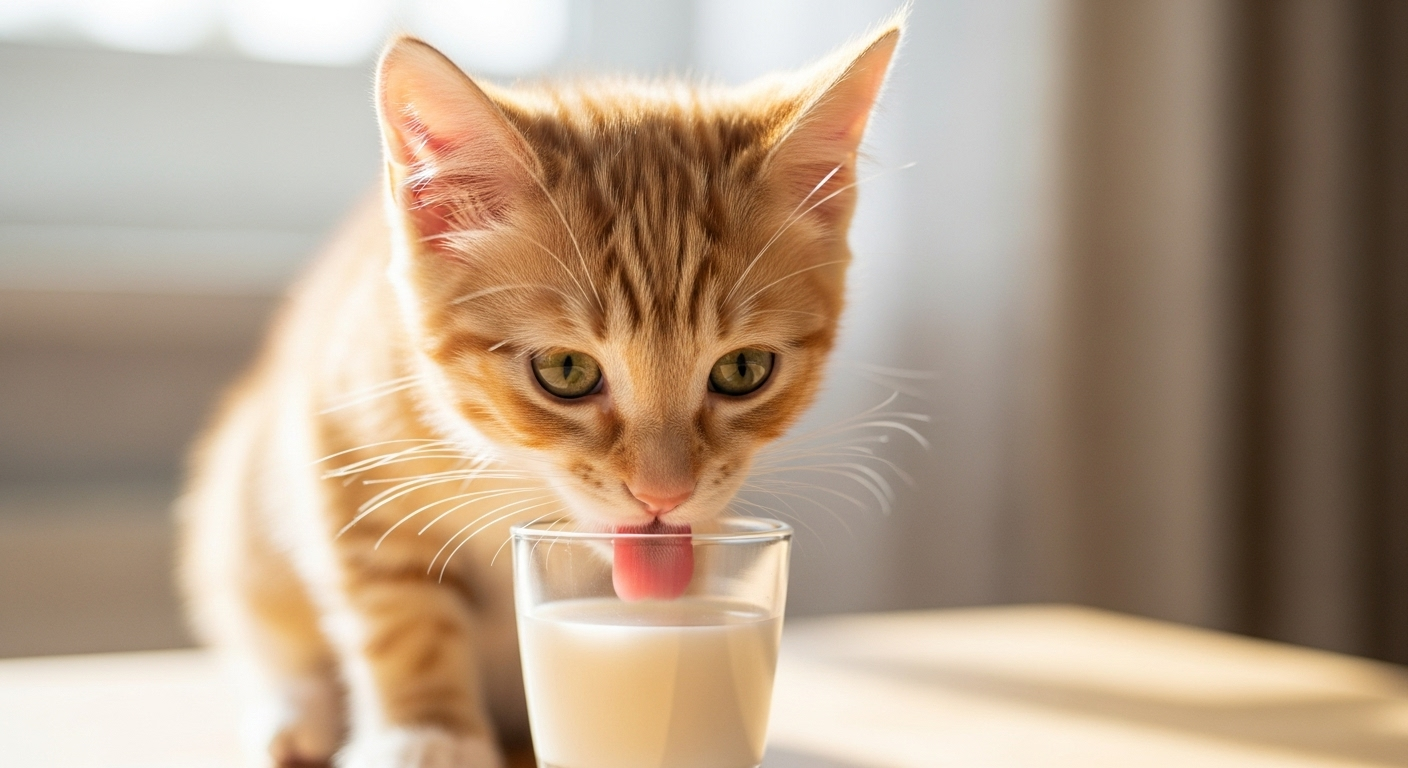
Here’s the short answer: Almond milk isn’t toxic to cats, but it’s not exactly healthy for them either.
- Non-toxic: A small sip won’t harm your cat.
- Not nutritious: Cats don’t get any real benefits from almond milk because their diet needs to be meat-based.
What about the extra stuff in almond milk?
- Sweeteners like xylitol: Extremely dangerous for cats.
- Added flavors: Vanilla and chocolate are no-gos.
If you’re thinking about sharing almond milk with your cat, keep reading to learn when it’s okay (and when it’s not).
4. Nutritional Value of Almond Milk for Cats
Let’s face it: almond milk is kind of a dud when it comes to cat nutrition. Here’s why:
- Low protein: Cats thrive on protein, and almond milk doesn’t have much of it.
- High carbs: Cats aren’t built to digest carbs efficiently, and almond milk contains some.
- No essential nutrients: Unlike their meaty meals, almond milk doesn’t provide vitamins or minerals that cats need.
So, while almond milk might be a trendy drink for humans, it’s not doing anything special for your cat’s health.
5. Potential Risks of Giving Almond Milk to Cats
Before you pour your cat a saucer of almond milk, here are some risks to consider:
- Tummy troubles: Cats have sensitive stomachs, and almond milk can lead to vomiting, diarrhea, or gas.
- Allergies: Some cats might be allergic to almonds, leading to itchiness or swelling.
- Weight gain: Sweetened almond milk has extra calories your cat doesn’t need.
Pro tip: If you notice your cat acting strangely after sipping almond milk, it’s time to call the vet!
6. Can Kittens Drink Almond Milk?
The short answer? Nope! Kittens have specific nutritional needs that almond milk just doesn’t meet.
- Kittens need mother’s milk or kitten formula: These are packed with nutrients that help them grow strong and healthy.
- Almond milk can cause malnutrition: It doesn’t provide the fats and proteins kittens require.
If you’re caring for a kitten and need a milk substitute, always consult your vet for safe options.
7. How Much Almond Milk Is Safe for Cats?
If you’re still curious about sharing almond milk with your cat, here’s the golden rule: less is more.
- Tiny portions: Think a teaspoon or two, not a whole bowl.
- Occasional treat only: Almond milk should be a rare indulgence, not a regular part of their diet.
Always keep an eye on your cat after giving them almond milk. If you spot any unusual symptoms (like diarrhea or vomiting), skip it in the future.
8. Alternatives to Almond Milk for Cats
Looking for safer and healthier options to treat your cat? Here’s what you can offer instead:
- Cat-specific milk: These are lactose-free and made just for cats.
- Unsalted bone broth: A flavorful and nutritious option your cat will love.
- Plain water: It might sound boring, but fresh water is the best way to keep your cat hydrated.
Avoid these:
- Cow’s milk (most cats are lactose intolerant).
- Other plant-based milks (like soy or oat milk).
9. What to Do If Your Cat Accidentally Drinks Almond Milk
Oops, your cat got into your almond milk? Don’t panic—here’s what to do:
- Monitor your cat: Watch for any signs of discomfort, such as:
- Vomiting
- Diarrhea
- Loss of appetite
- Lethargy
- Call your vet: If your cat drank a lot or you notice unusual symptoms, get professional advice.
Most cats will be fine if they only had a small amount, but it’s always better to be safe than sorry.
10. Conclusion
So, can cats have almond milk? The verdict is: yes, but only in tiny amounts and as a rare treat. Almond milk is non-toxic but offers no nutritional value for cats and may upset their stomachs. If you’re looking for ways to spoil your cat, stick to safer options like cat-specific milk or bone broth. And remember, when in doubt, consult your vet—they’re the best source of advice for your furry friend.
FAQs
Not usually, but it can upset their stomach or cause other minor issues if consumed in large amounts.
Lactose-free cat milk is the safest choice. Regular cow’s milk or plant-based milks should be avoided.
Not really. Almond milk doesn’t offer the nutrients cats need, so it’s better to stick to water or cat-specific options.