

As a cat lover, you might have wondered, “Can cats eat cucumbers?” This crisp and refreshing vegetable is a common treat for humans, but is it safe for your feline friend? In this guide, we’ll explore whether cucumbers are good for cats, their potential benefits, and the best ways to serve them.
What Are Cucumbers?
Cucumbers are hydrating vegetables, packed with water and low in calories. They are often enjoyed in salads, sandwiches, or as a standalone snack. Their subtle flavor and crunchy texture make them a favorite for many.
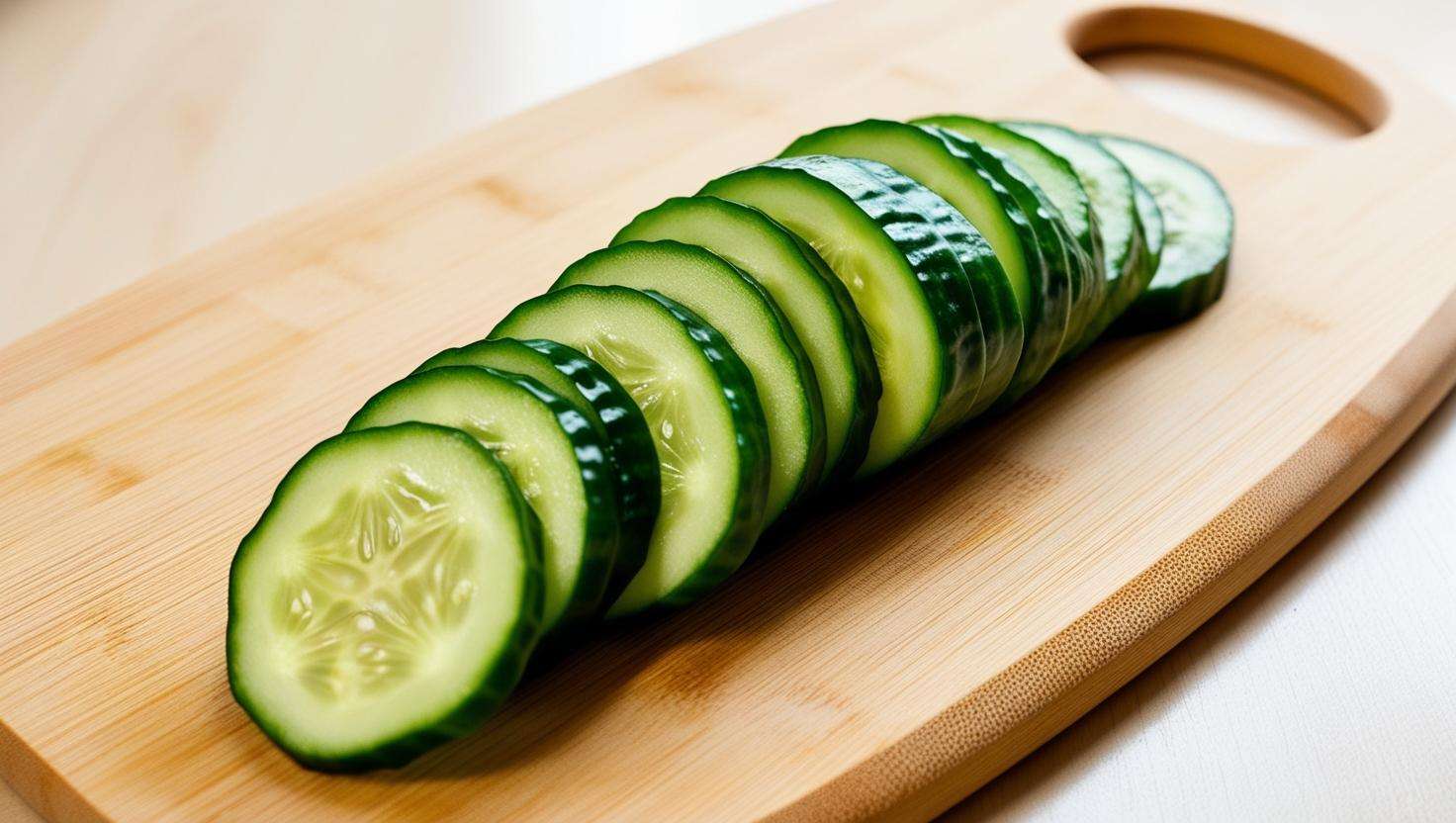
But when it comes to your cat, you may ask, “Can cats eat cucumbers just like we do?” The answer isn’t as simple as a yes or no, and it depends on how they’re prepared and served.
Learn more about cucumbers here.
Can Cats Eat Cucumbers Safely?
The short answer is yes, cats can eat cucumbers. Cucumbers are non-toxic and safe for cats to eat when prepared correctly. However, as obligate carnivores, cats thrive on a diet rich in meat, so cucumbers should only be given as an occasional treat.
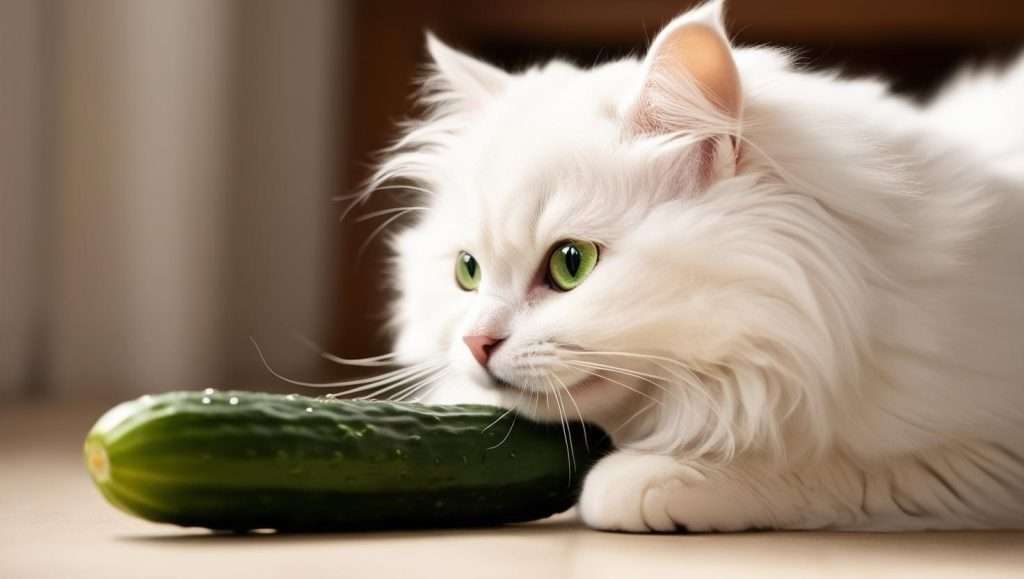
If you’re thinking about feeding cucumbers to your cat, it’s important to follow a few simple guidelines to ensure their safety.
Is Cucumber Safe for Cats?
Cucumbers are safe for cats, but only if served in the right way. Here are some key safety tips to keep in mind:
- Serve in Small Pieces: Large pieces can pose a choking hazard. Always cut cucumbers into bite-sized portions.
- Remove the Skin: The peel may contain pesticides or be tough for cats to digest.
- Avoid Additives: Plain cucumber is safe, but seasoned or pickled cucumber is not.
So, while the answer to “Can cats eat cucumbers?” is yes, the way you prepare it makes all the difference.
What Are the Benefits If Cats Eat Cucumbers?
Cucumbers can offer several benefits to cats when given in moderation.
1. Hydration
Cucumbers are about 95% water, making them an excellent source of hydration for your cat, especially if they don’t drink enough water.
2. Digestive Aid
The fiber in cucumbers can support your cat’s digestion and help prevent constipation.
3. Nutrients
Although not essential to their diet, cucumbers provide small amounts of vitamins like K and C. These can be a light bonus for your furry friend.
By feeding cucumbers, you’re not only answering “Can cats eat cucumbers safely?” but also exploring how they can benefit your pet’s health.
How to Feed Cucumbers to Cats
If you’re introducing cucumbers to your cat, follow these steps to keep it safe and enjoyable:
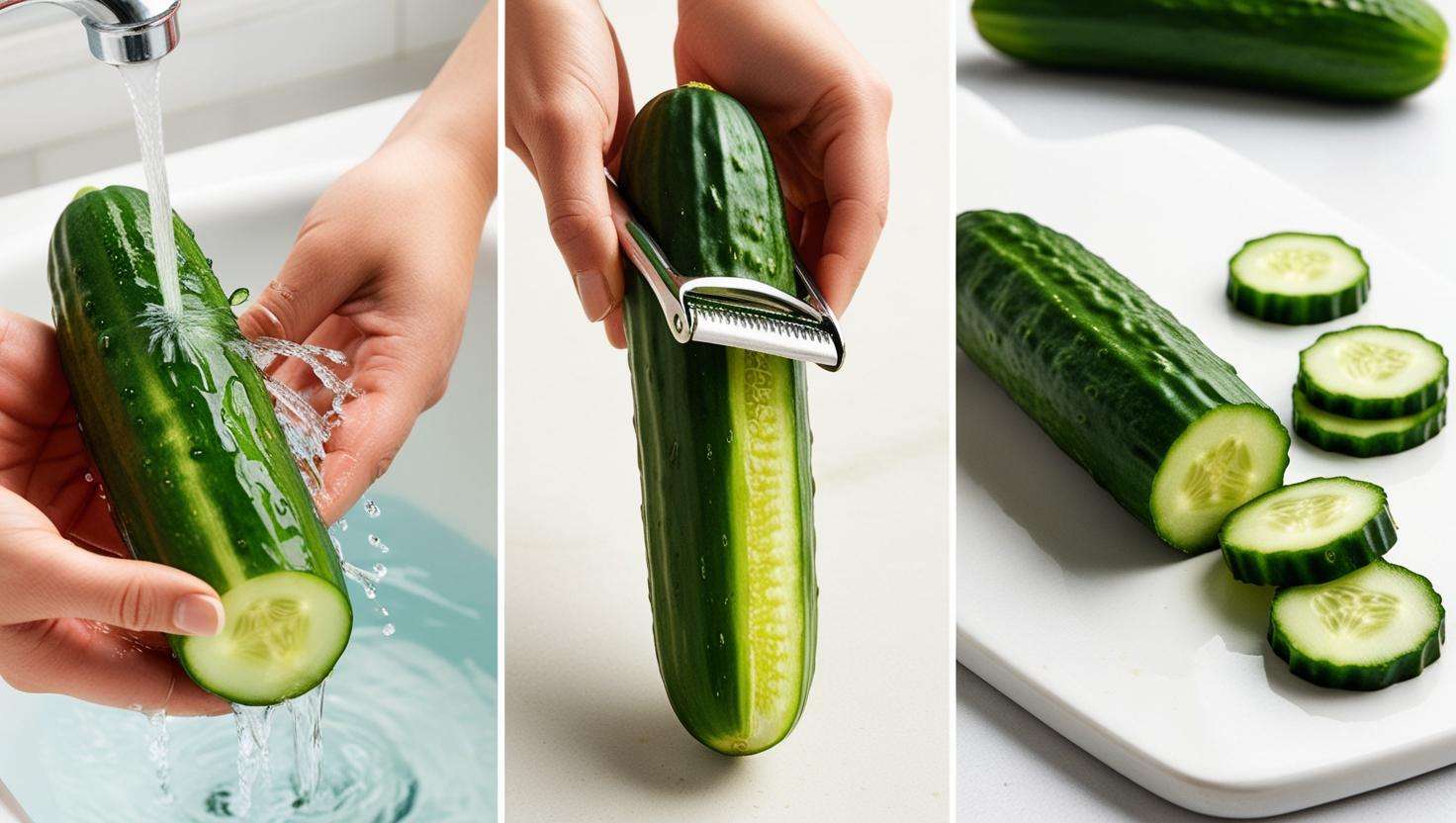
1. Wash and Peel the Cucumber
Before giving cucumber to your cat, wash it thoroughly to remove any dirt or chemicals. Peeling it ensures that no harmful residues remain.
2. Serve It Plain
Cats should only eat fresh, plain cucumber. Avoid giving them anything that’s pickled, salted, or spiced.
3. Cut Into Small Pieces
Always slice cucumber into small, manageable chunks to avoid choking.
4. Offer in Moderation
Too much cucumber can upset your cat’s stomach. Start with one or two small slices to see how they react.
When wondering, “How can cats eat cucumbers safely?” these simple steps will make the experience safe and enjoyable.
How Much Cucumber Can Cats Eat?
Cats don’t need much cucumber to enjoy its benefits. A couple of small slices once a week is plenty. Overfeeding can lead to stomach upset or interfere with their regular diet.
So, the next time you’re about to snack on a cucumber and ask, “Can cats eat cucumbers too?” remember: less is more!
Why Do Cats Jump When They See a Cucumber?
If you’ve ever seen videos of cats jumping in fear when faced with a cucumber, you might wonder why this happens. It’s not that cats hate cucumbers—it’s that the unexpected appearance of something unfamiliar startles them.
Some experts believe that cucumbers resemble snakes, triggering a cat’s natural fear response. So, while it’s fun to ask, “Do cats hate cucumbers?” the truth is, it’s more about surprise than actual dislike.
Do Cats Like Cucumbers?
Not every cat will enjoy cucumbers. While some might be curious and nibble, others may completely ignore it. If you’re trying to figure out, “Will my cat like cucumbers?” the best way is to offer them a small piece and see how they react.
Takeaways
So, can cats eat cucumbers? The answer is yes—but with a few precautions. Here’s what to remember:
- Always wash and peel the cucumber.
- Serve plain cucumber, free from seasonings or additives.
- Cut it into small pieces to avoid choking.
- Offer it in moderation as an occasional treat.
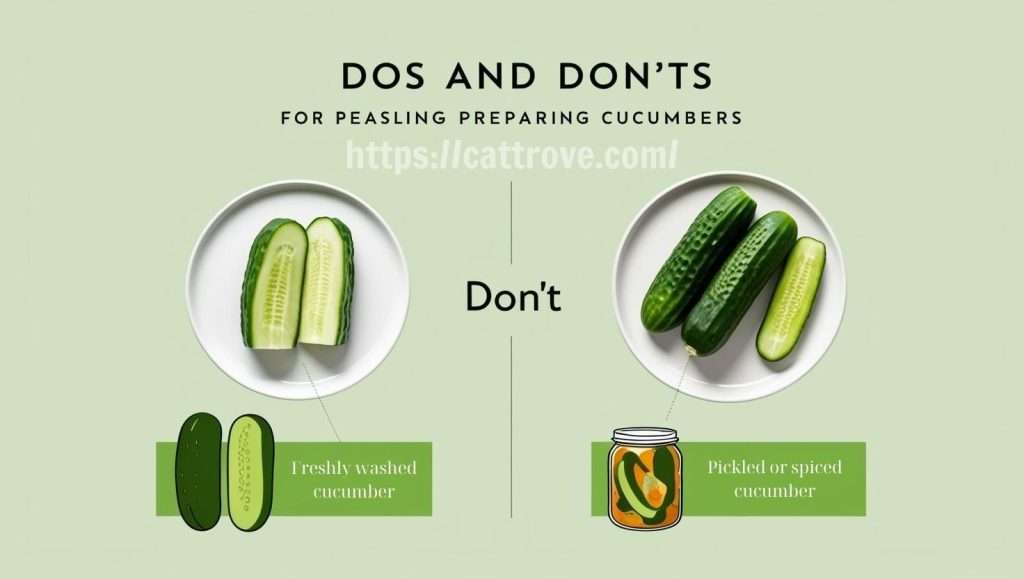
Cucumbers can be a fun, healthy snack for your cat, but they should never replace their regular, meat-based diet.
Share Your Experience
Have you ever fed your cat cucumber? Did they love it, or did they turn up their nose? Share your experience with other cat lovers! Whether your feline friend enjoys this crunchy treat or prefers something else, we’d love to hear your story.
By following these guidelines, you can safely let your cat enjoy cucumbers while keeping their health and happiness in mind.
You might also like: Do Cat Whiskers Grow Back? Everything You Need to Know About Their Purpose and Care
Cats and Cucumbers FAQs
No, it is best to remove the skin before feeding cucumber to your cat. The peel can be tough for cats to digest and may contain traces of pesticides or chemicals. Always wash and peel the cucumber to ensure it is safe and chemical-free.
Cats are not afraid of the cucumber itself but are startled by the unexpected appearance of a silent object behind them. Experts believe the long, green shape triggers an instinctive fear response because it resembles a snake, a natural predator.
No, cats should never eat pickles. Unlike fresh cucumbers, pickles are soaked in brine containing high levels of sodium, garlic, and onion, all of which are toxic or harmful to cats. The excess salt can lead to dehydration and kidney stress.
Cucumber should only be treated as an occasional snack, not a meal replacement. A safe serving size is one or two thin, bite-sized slices once a week. Since cats are obligate carnivores, their digestive systems are not designed to process large amounts of plant matter.
Yes, in very small amounts, cucumber can be beneficial due to its high water content (95%). It acts as a hydrating snack that can support urinary tract health. However, always consult your veterinarian before adding new foods to a sick cat’s diet.