

If you’re a cat lover like me, you’ve probably marveled at the magic of a cat’s whiskers. These remarkable hairs are more than just adorable—they’re vital tools for your feline friend. But what happens if a cat loses its whiskers? Can they grow back? Let’s explore the incredible world of cat whiskers and learn how to care for them.
What Are Cat Whiskers?
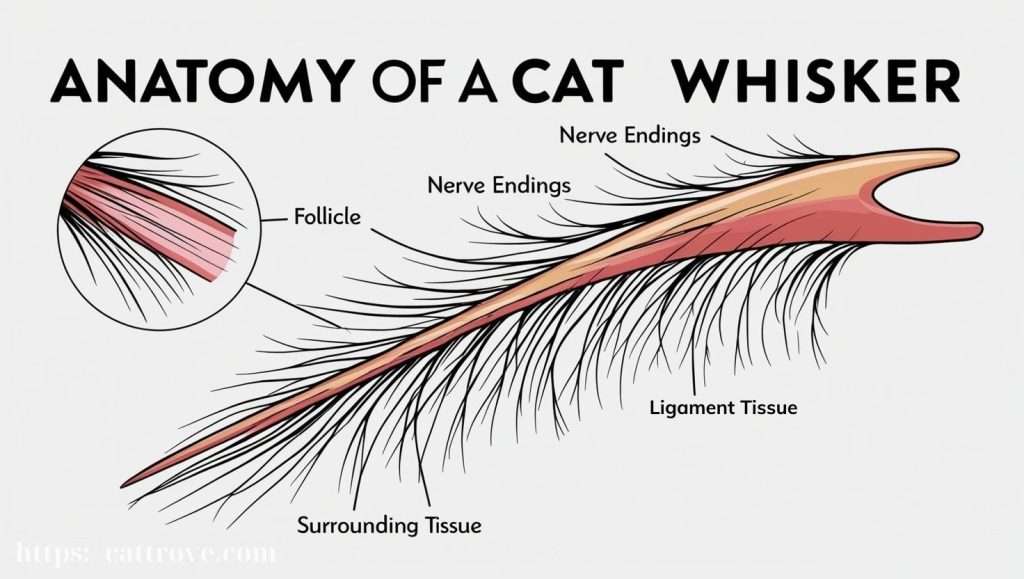
Cat whiskers are no ordinary hairs. They’re thicker, longer, and deeply embedded in the skin. At the base of each whisker lies a cluster of nerves, making them incredibly sensitive. These sensory tools help cats navigate their surroundings, detect tiny changes in air currents, and judge the size of spaces before leaping or crawling through.

Fun Fact: Cats have whiskers not just on their faces but also on their legs! These “carpal whiskers” assist in detecting objects during close encounters.
Learn more about cat whiskers here
Why Might a Cat Lose Its Whiskers?
Whisker loss can happen for several reasons, and not all of them are concerning:
- Normal Shedding: Just like fur, whiskers naturally shed. Finding a stray whisker on the couch is perfectly normal.
- Health Issues: Skin infections, allergies, or hormonal imbalances can lead to whisker loss.
- Stress and Over-Grooming: Cats under stress may groom excessively, pulling out their whiskers unintentionally.
- Injuries or Trauma: Burns, cuts, or accidents near the whisker area can cause them to fall out.
When to Worry: If whisker loss is excessive or accompanied by bald patches, redness, or swelling, it’s time to consult your vet.
What Are Cat Whiskers Made Of?
Whiskers are made of keratin, the same protein that forms human hair and nails. While the whiskers themselves don’t have nerves, their follicles are packed with nerve endings. This makes whiskers ultra-sensitive, though losing a whisker naturally isn’t painful for cats.
What Do Cat Whiskers Do?
Whiskers are like a cat’s personal radar and communication tool. Here’s how they help:
- Navigating in Darkness: Whiskers detect air currents, helping cats move confidently in pitch-black environments.
- Measuring Spaces: Cats use their whiskers to determine if they can fit through tight spaces.
- Expressing Emotions: Relaxed whiskers indicate a happy cat, while whiskers pulled back suggest fear or anger.
Imagine This: Without their whiskers, cats would feel like you walking blindfolded in a crowded room!
Can Whiskers Be Cut?
No, you should never cut a cat’s whiskers. While cutting them isn’t painful, it strips your cat of a vital sensory tool. Cats rely on their whiskers for balance, navigation, and confidence. Without them, they might bump into objects, feel disoriented, or become anxious.
What Happens If You Cut a Cat’s Whiskers?
If whiskers are accidentally cut, your cat might act clumsy or appear stressed. Fortunately, whiskers grow back, though it may take a few weeks. In the meantime, provide a safe and familiar environment to help your cat adjust.
How Long Do Whiskers Take to Grow Back?
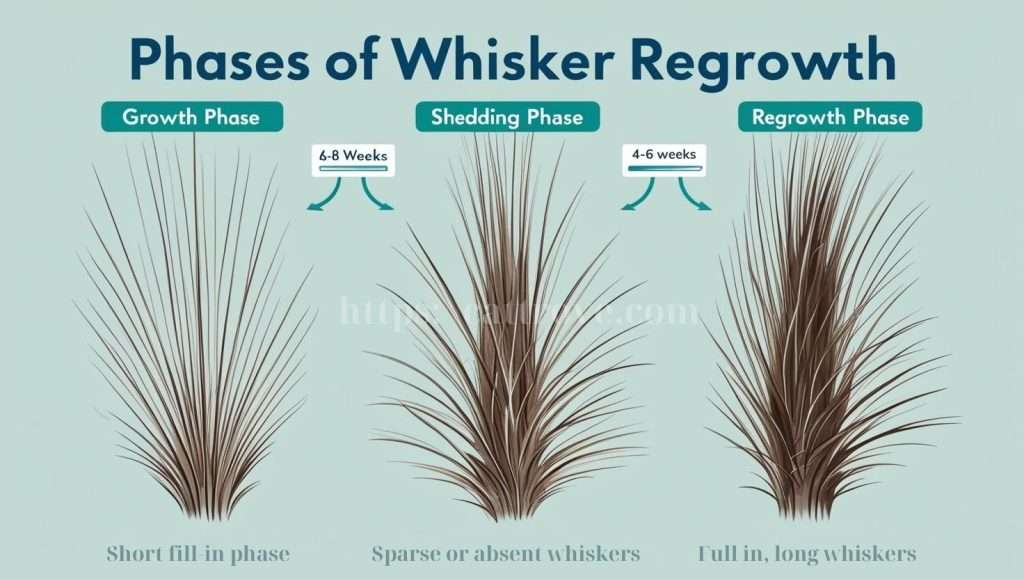
In most cases, whiskers regrow in 4 to 6 weeks. Cats with good nutrition and overall health may regrow their whiskers faster. However, if the follicle is damaged, regrowth could take longer or not occur at all.
Pro Tip: Feed your cat a diet rich in protein and essential fatty acids to support healthy whisker regrowth.
When Is Whisker Loss a Cause for Concern?
Occasional whisker loss is normal, but excessive loss can signal underlying issues. Here are some potential causes:
- Skin Conditions: Look for signs of redness, swelling, or irritation.
- Parasites: Fleas or mites could be the culprit.
- Allergies: Food or environmental allergens may impact your cat’s whiskers.
- Stress or Anxiety: Watch for over-grooming or behavioral changes.
What to Do: If you’re unsure, consult your vet for a proper diagnosis and treatment plan.
How to Care for Your Cat’s Whiskers

Taking care of your cat’s whiskers ensures they remain healthy and functional. Follow these tips:
- Avoid Touching Whiskers: Cats are sensitive about their whiskers. Avoid brushing against them unnecessarily.
- Provide a Whisker-Friendly Environment: Use wide, shallow bowls to prevent whisker fatigue during meals.
- Minimize Stress: Keep your cat’s environment calm and predictable.
Conclusion: Do Cat Whiskers Grow Back?
Yes, cat whiskers do grow back! These remarkable sensory tools are resilient, provided the follicle is healthy. While losing one or two whiskers is no big deal, excessive loss could signal a problem. By ensuring your cat is well-nourished, stress-free, and regularly checked by a vet, you can keep your feline friend whisker-happy.
Remember: Whiskers are more than just cute—they’re a vital part of your cat’s well-being!
Engage with Us!
Has your cat ever lost its whiskers? Share your story in the comments below. Let’s celebrate the fascinating world of cats together!
You might also like: Can Cat Have Peanut Butter? Risks, Safety & Alternatives
Cat Whiskers FAQs
Yes, cat whiskers typically grow back within 4 to 6 weeks. Like regular fur, they go through natural shedding and regrowth cycles. However, if the hair follicle is permanently damaged due to severe trauma or infection, the whisker may not return.
No, shedding a whisker naturally or cutting the hair shaft is not painful because the whisker itself has no nerves. However, the follicle at the base is packed with nerve endings, so plucking or pulling a whisker out is extremely painful and should never be done.
Cutting a cat’s whiskers causes disorientation, dizziness, and anxiety. Since cats use whiskers as a sensory radar to navigate in the dark and judge spatial width, removing them is like blindfolding a human, leading to clumsiness and stress.
Occasional whisker loss is a normal part of the natural growth cycle, similar to shedding fur. However, excessive loss or bald patches can indicate health issues such as stress, hormonal imbalances, skin infections, or allergies requiring a vet’s attention.
You can prevent whisker fatigue by feeding your cat in wide, shallow bowls or plates. Whisker fatigue occurs when sensitive whiskers constantly brush against the sides of deep, narrow bowls, causing sensory overload and stress during mealtime.
2 thoughts on “Do Cat Whiskers Grow Back? Everything You Need to Know About Their Purpose and Care”