
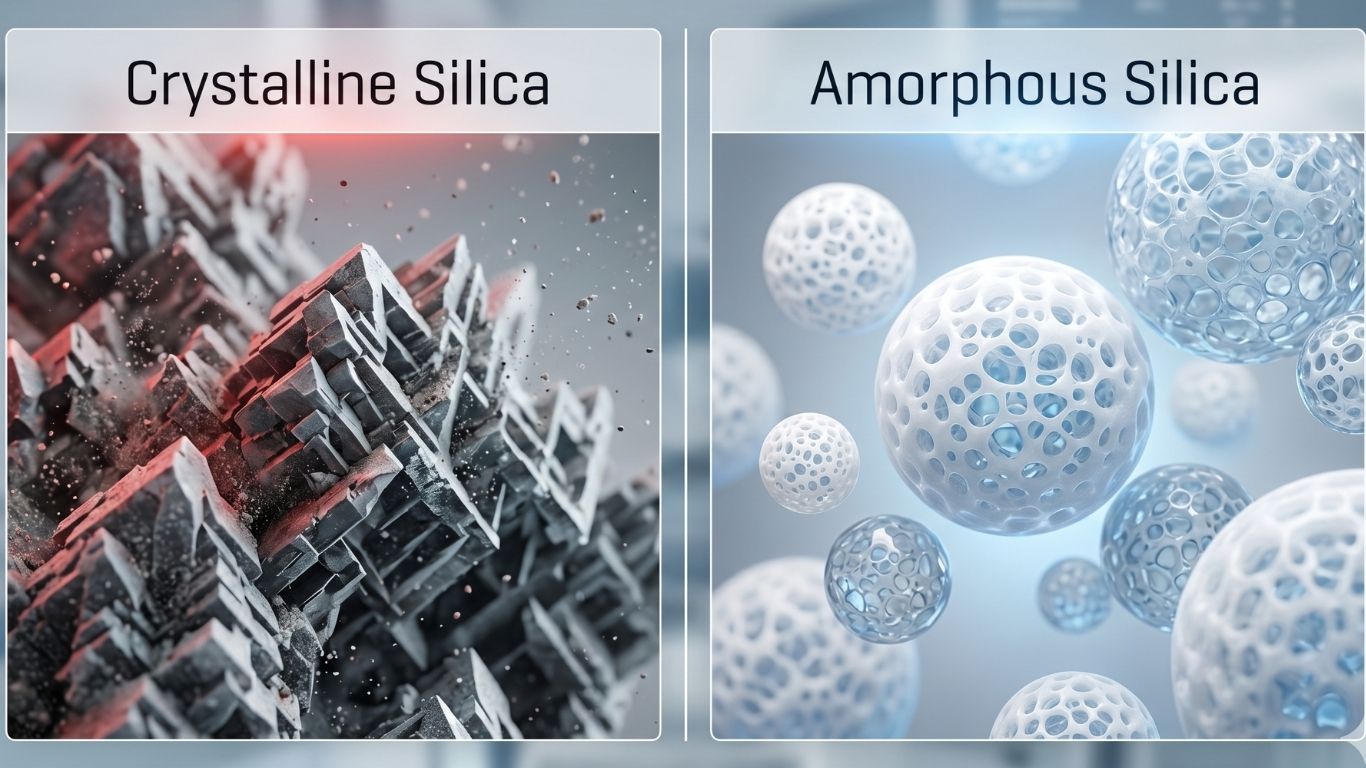
Short answer: Silica cat litter is typically made by converting silica sand into sodium silicate (“water glass”), then turning that material into a silica gel, washing it, drying it, and activating it to create a porous, highly absorbent final product. The finished litter is generally amorphous silica—not the same thing as the respirable crystalline silica that workplace safety rules focus on. Even so, dust levels still matter, especially for cats or people with asthma or sensitive airways.
For today’s American cat parents, litter is no longer just a box-checking purchase. We want odor control, low maintenance, cleaner paws, and—most importantly—confidence that the product we bring into our homes is safe for our cats. That’s why it helps to understand what crystal litter actually is, how it’s made, and where the real safety line is between crystalline silica and amorphous silica.
1) First, the safety distinction that actually matters
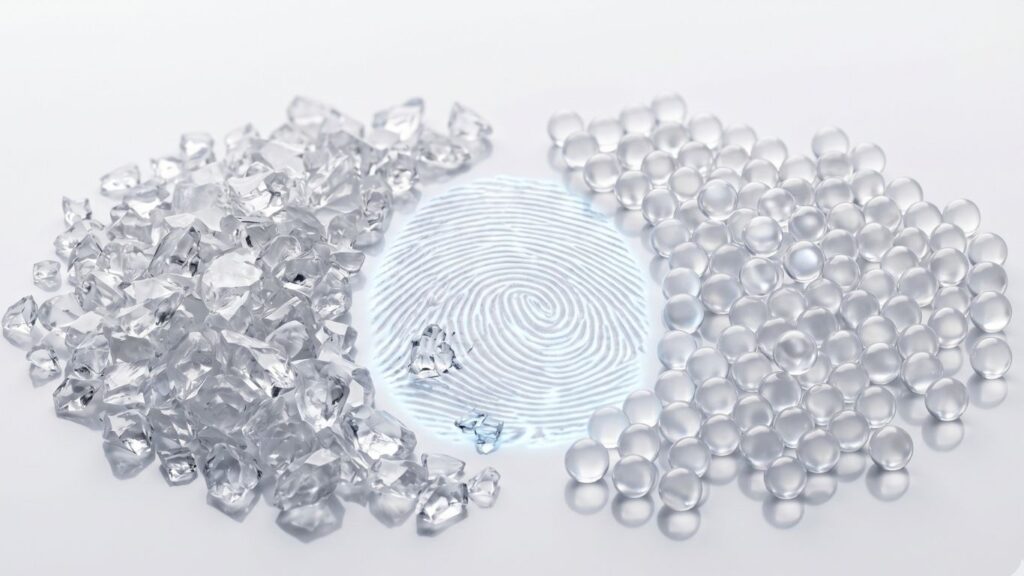
One of the biggest misconceptions about crystal litter is that it is simply crushed quartz. It isn’t. According to OSHA’s silica guidance, amorphous silica such as silica gel is not the same as crystalline silica. The CDC/ATSDR toxicology summary makes the same distinction and notes that amorphous silica is considered less hazardous than crystalline silica, especially in everyday consumer exposure.
That said, “different” does not mean “ignore dust completely.” The Cornell Feline Health Center lists dusty kitty litter among potential asthma triggers for cats, and VCA Animal Hospitals notes that crystal litter controls moisture and odor well, but litter choice should still take paw sensitivity and respiratory issues into account.
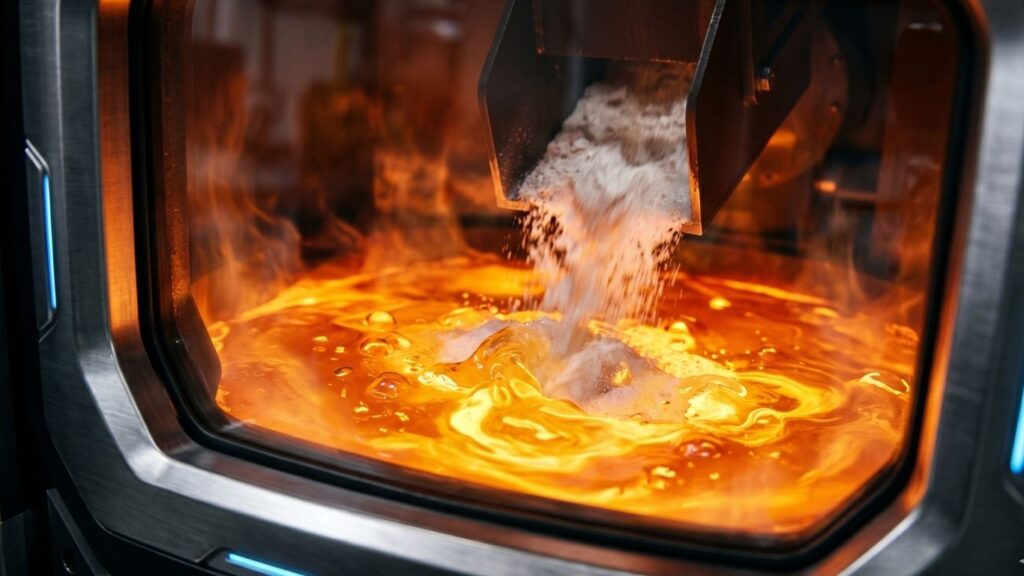
2) Step one: silica sand and soda ash become sodium silicate
The process starts with silica-rich sand. In industrial chemistry, sodium silicate—often called water glass—is commonly produced by heating silica sand with soda ash (sodium carbonate) in a furnace. Britannica’s overview of water glass describes this as a high-temperature process, generally in the range of about 1,000 to 1,400°C (roughly 1,800 to 2,500°F). At this stage, the raw mineral is being chemically transformed into a form that can later become silica gel.
In simple terms, this is the “reset” point: instead of using raw quartz directly, manufacturers first convert it into sodium silicate so the final material can be engineered for absorbency and odor control.
3) Step two: acidification turns water glass into silica gel
Once sodium silicate is produced, the next stage is acidification. Britannica notes that liquid sodium silicate forms a gel under acidic conditions, and a classic U.S. silica-gel manufacturing patent describes reacting sodium silicate with sulfuric acid to create a silica hydrosol that then gels into a hydrogel. This is the key transformation that gives crystal litter its future absorbent structure.
You can think of the hydrogel stage as building a sponge-like internal network at a microscopic level. That internal pore structure is what later helps silica litter capture moisture and hold odor molecules more effectively than many traditional litters.
4) Step three: washing removes soluble residues
After gelling, the material is aged and washed. The patent literature describes washing the aged gel with water before the final drying and activation stages. This cleaning step matters because it removes soluble residues left over from the reaction, helping improve purity and overall product performance. In plain English: better washing usually means a cleaner finished crystal.
5) Step four: drying and activation create the finished porous crystal
Once washed, the gel is dried and thermally activated. The same silica-gel patent describes drying followed by higher-temperature activation, which removes additional water and develops the adsorptive properties of the final material. This is the stage that turns a wet gel into the hard, porous crystal-like particles consumers recognize as silica litter.
After that, manufacturers typically size and screen the material into consumer-friendly particles for packaging. The end result is a lightweight litter that can absorb moisture, stay relatively dry on the surface, and provide strong odor control.
6) Why silica litter performs so well in the litter box
The reason crystal litter works so well is not magic—it’s surface area. Silica gel contains a porous internal structure that helps it adsorb moisture efficiently. VCA Animal Hospitals notes that silica crystals absorb moisture and control odor effectively, often requiring less frequent full changes than some clay litters. That performance is one reason crystal litter has become popular in U.S. households looking for lower-maintenance litter box routines.
Still, “best” depends on the cat. Some cats dislike the texture of crystal litter, and some households will prioritize softness, tracking, price, or fragrance-free formulas over maximum absorbency.
7) Can silica litter monitor your cat’s health?
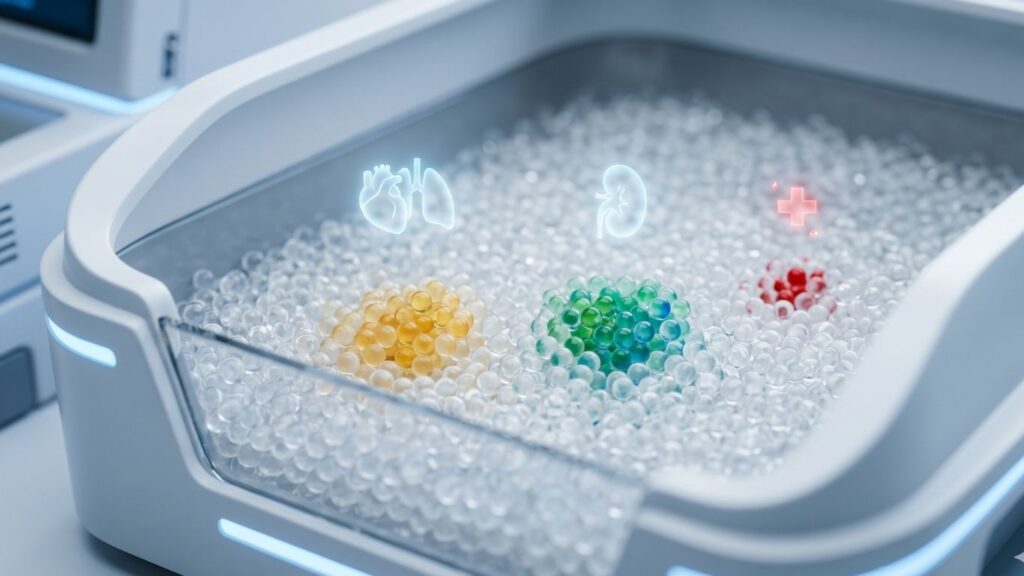
In some cases, yes—but only as a screening tool. According to ACS C&EN’s feature on health-monitoring cat litter, some specialty litters are designed to change color when they detect urine-related markers associated with potential health issues. These products can be useful for spotting trends early, especially in cats that hide symptoms, but they are not a diagnosis and should never replace a veterinary exam.
8) Is silica litter the right choice for every cat?
Silica litter can be an excellent fit for cat parents who want strong odor control, lower moisture retention in the box, and less frequent full litter replacement. But it is not automatically the best choice for every cat. If your cat has asthma, very sensitive paws, or a strong texture preference, it’s worth choosing a low-dust formula and transitioning slowly. Both Cornell and VCA make the broader point that litter choice should match the individual cat, not just the marketing on the bag.
Final takeaway
So, how is silica cat litter made? In short, it’s a carefully engineered material: silica sand is converted into sodium silicate, turned into a gel, washed, dried, and activated into a porous absorbent product. The most important takeaway for cat owners is this: crystal litter is generally made from amorphous silica, not the crystalline silica associated with workplace dust hazards. But quality, dust control, and your individual cat’s needs still matter.
If you’re choosing crystal litter for your home, the smartest approach is to look beyond the word “silica” on the label and focus on what really counts: low dust, reliable odor control, cat comfort, and transparent manufacturing standards.
References
- OSHA – Crystalline Silica Background Information
- CDC/ATSDR – Silica ToxFAQs
- Britannica – Water Glass (Sodium Silicate)
- Google Patents – Process for the Preparation of Silica Gel
- 21 CFR 172.480 – Silicon Dioxide
- Cornell Feline Health Center – Feline Asthma
- VCA Animal Hospitals – Different Types of Cat Litter
- ACS C&EN – Health-Monitoring Cat Litter