

Introduction
Welcome to the world of Ragdoll cats! If you’ve ever seen one, you know just how special they are. Ragdolls are a breed of cat known for their striking looks and amazing personalities. They have beautiful blue eyes, soft fur, and a calm demeanor that makes them favorites among cat lovers. This guide will help you learn everything you need to know about these lovely cats, from their history to how to care for them.
History of Ragdoll Cats
Origin
Let’s take a trip back to the 1960s in sunny California! Ragdolls were created by a woman named Ann Baker. She had a passion for cats and wanted to breed a special type that was both beautiful and gentle. Ann started with a mix of different breeds, including a white cat named Josephine, who was the foundation of the Ragdoll breed.
Development
Ann Baker carefully selected cats to emphasize unique traits, like their docile nature and striking looks. She wanted them to be friendly, easygoing, and wonderful companions. Over the years, Ragdolls became known for their relaxed personalities, and breeders started to develop them further.
Significance
Ragdolls quickly caught the attention of cat lovers everywhere. Their charming personalities and gorgeous looks helped them rise in popularity. Today, they are one of the most loved cat breeds around the world. Ragdolls have left a significant mark on the cat fancy community, making them a favorite at cat shows and among families.
Characteristics of Ragdoll Cats
Appearance
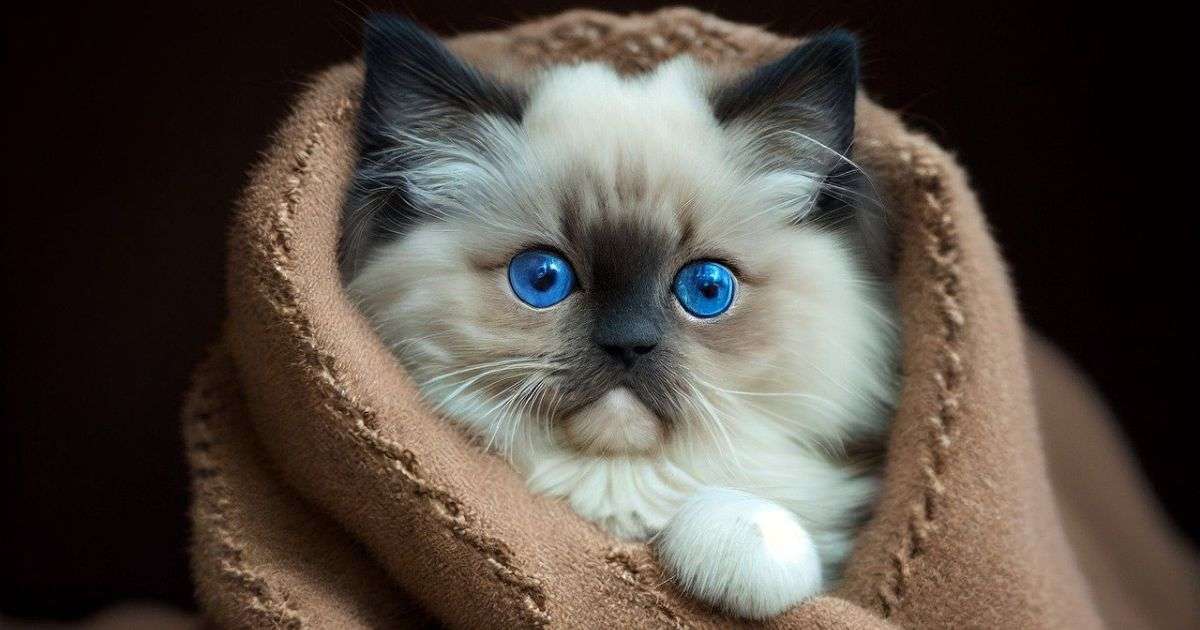
Ragdolls are hard to miss! They are large, muscular cats that have a soft, semi-long coat. Their fur feels like silk, and it comes in various colors and patterns. One of their most striking features is their big blue eyes, which can make anyone melt. They have color-point patterns, meaning their ears, face, paws, and tail are darker than the rest of their body. This gives them a unique and beautiful look!
Ragdoll Personality and Temperament
What makes Ragdolls truly special is their personality. They are gentle, affectionate, and love to be around people. Ragdolls are known for their relaxed demeanor; when you pick them up, they often go limp in your arms. This is why they got the name “Ragdoll.” They enjoy cuddling and will follow you around the house, always wanting to be near their favorite humans.
Living Needs
Ragdolls thrive in quiet, comfortable homes. They need a safe space where they can play and relax. It’s important to provide them with a cozy environment filled with soft beds and places to hide. They enjoy companionship, so having family members around is essential for their happiness.
Ragdoll Cat Types
Ragdolls come in a few different types based on their color and patterns. Let’s explore the three main types:
Colorpoint Ragdolls
Colorpoint Ragdolls have different color points on their ears, face, paws, and tail. These can be in shades like seal, blue, chocolate, lilac, and red. Each cat is unique, with its own beautiful combination of colors.
Mitted Ragdolls
Mitted Ragdolls have distinct white paws that look like they are wearing mittens. This charming feature makes them even more adorable. They also have a white stripe on their bellies, adding to their unique look.
Bicolor Ragdolls
Bicolor Ragdolls have a combination of color points and white markings. You’ll often see white on their chest, belly, and legs. This creates a stunning contrast and makes them stand out even more!
Caring for Ragdoll Cats
Taking care of a Ragdoll cat is rewarding but requires some effort. Here are some essential care tips:
Grooming Requirements
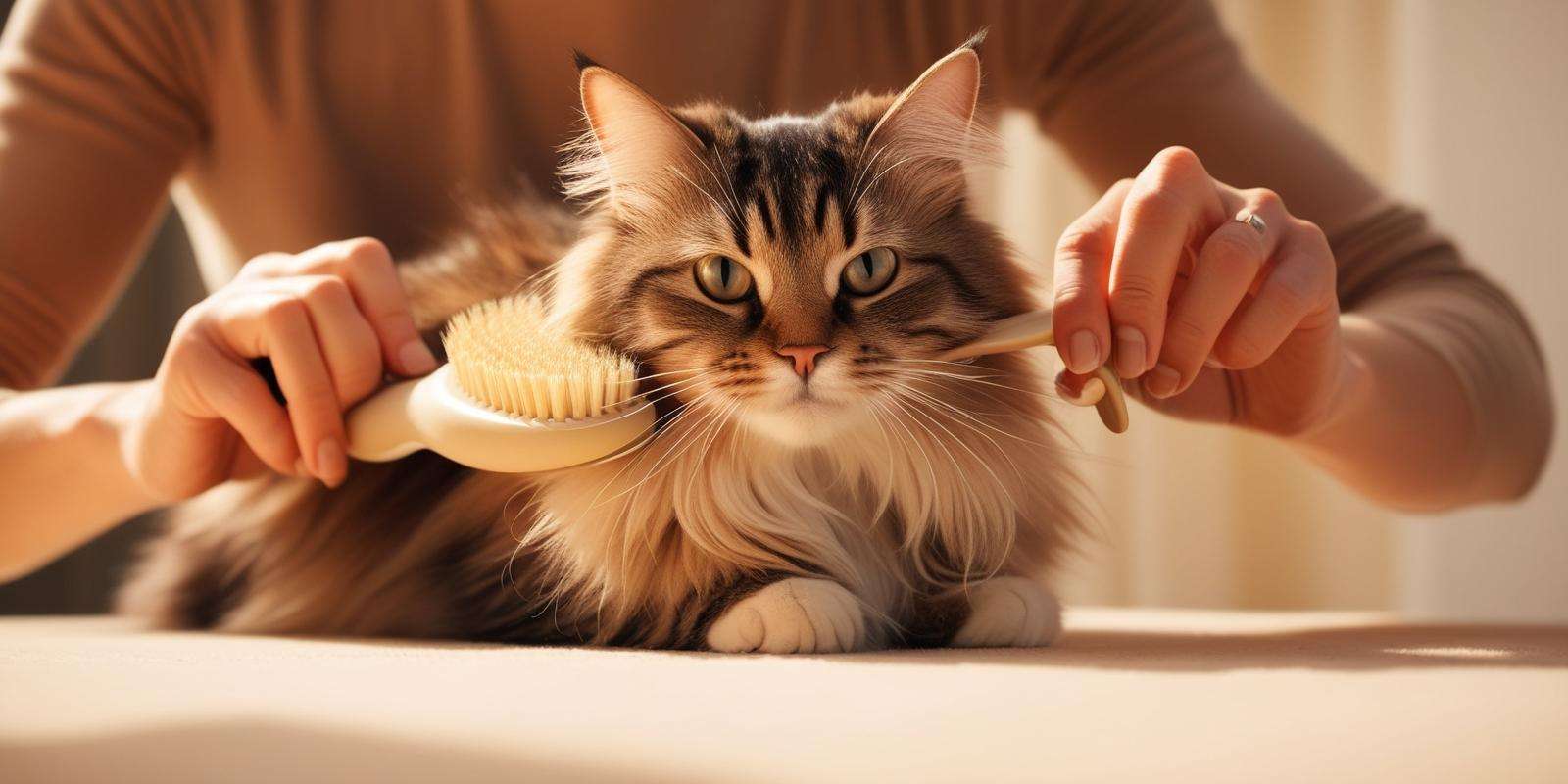
Ragdolls have semi-long fur that needs regular brushing. This helps prevent mats and reduces shedding. Use a slicker brush or a comb to keep their coat looking beautiful. Aim to brush them at least once a week.
Bathing
You don’t need to bathe your Ragdoll too often—about every few months should do. When you do bathe them, use a cat-safe shampoo and make sure to dry them thoroughly afterward. Cats can get cold quickly, so make sure they are warm and cozy after bath time!
Shedding
Ragdolls shed, especially during certain seasons. To manage shedding, stick to a consistent grooming routine. This will help keep their fur under control and prevent your home from becoming too hairy!
Exercise
Regular playtime is essential for keeping your Ragdoll happy and healthy. They love to chase after toys and engage in interactive play. Get them toys like feather wands or balls to keep them entertained. Regular exercise helps keep their weight in check and their spirits high.
Diet and Nutrition
A balanced diet is crucial for your Ragdoll’s health. Look for high-quality cat food that is rich in proteins. Portion sizes will vary based on their age, weight, and activity level, so be sure to check the feeding guidelines on the packaging. Don’t forget to keep fresh water available at all times!
Health Problems to Watch for with Ragdoll Cats
Like all pets, Ragdolls can face some health issues. Here are a few common ones to watch out for:
Common Health Issues
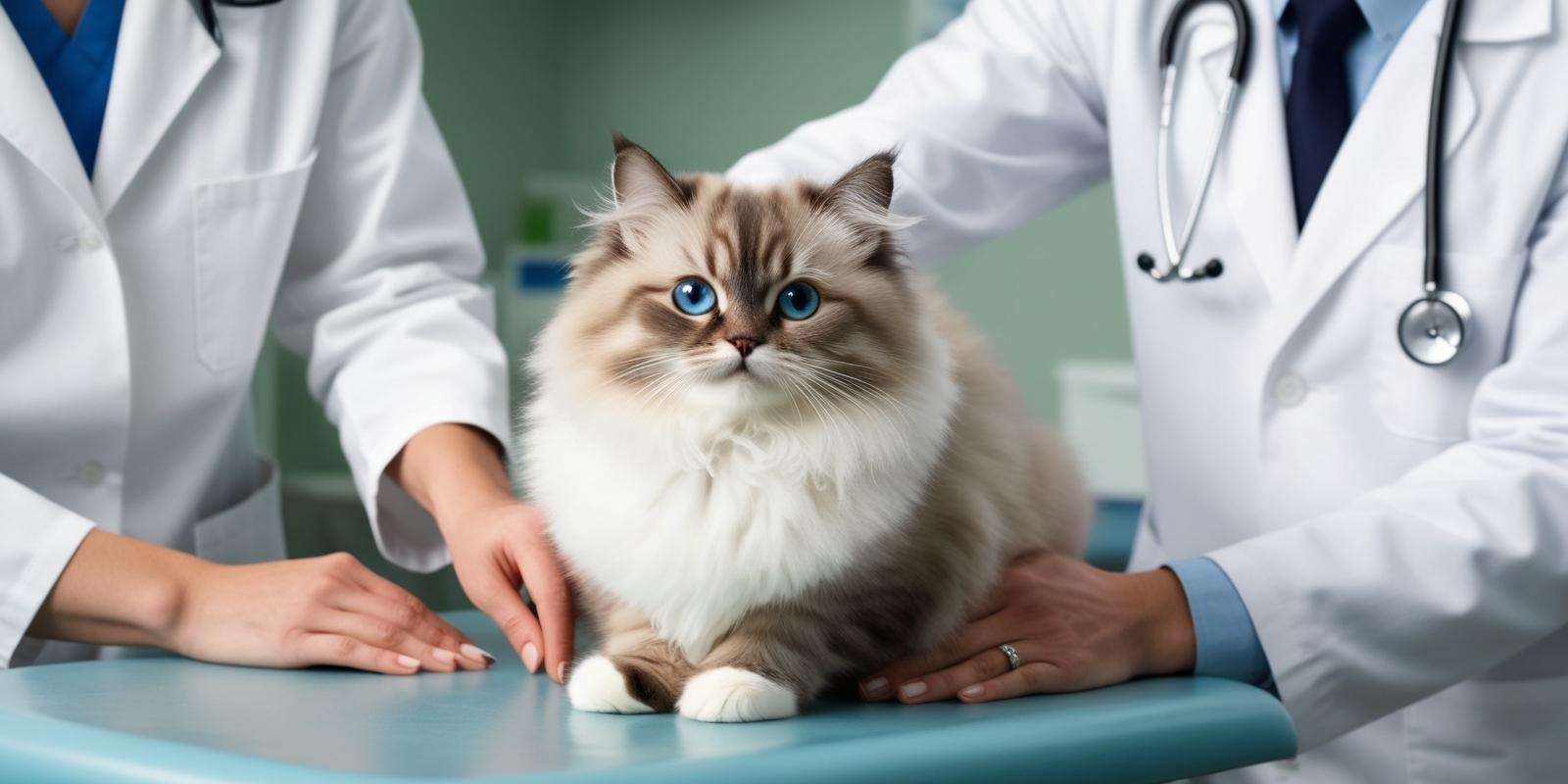
Ragdolls can be prone to certain health problems. It’s essential to keep an eye on them and schedule regular vet visits.
Specific Conditions
- Hypertrophic Cardiomyopathy (HCM): This is a heart condition that affects many cat breeds, including Ragdolls. Symptoms can include difficulty breathing or lethargy. Your vet can help diagnose and manage this condition.
- Feline Lower Urinary Tract Diseases (FLUTD): This condition affects the bladder and urinary tract. If your cat seems to have trouble urinating or is straining, it’s essential to visit the vet. Prevention includes ensuring they drink plenty of water and eat a proper diet.
- Polycystic Kidney Disease (PKD): This genetic condition can affect the kidneys. Regular vet check-ups can help catch this early.
- Hip Dysplasia: This is a joint issue that can lead to mobility problems. Regular exercise and maintaining a healthy weight can help manage this condition.
- Dental Disease: Just like humans, cats can suffer from dental issues. Make sure to check their teeth and gums regularly. You can provide dental treats and regular tooth brushing to help maintain their oral health.
Special Considerations for Ragdoll Cats
Social Needs
Ragdolls are very social and love being around their human families. They enjoy spending time with you and will thrive in homes where they get plenty of attention. They are often good with children and other pets, making them excellent family cats.
Mental Stimulation
Keep your Ragdoll’s mind active with puzzle toys, interactive play, and training sessions. Cats are intelligent and enjoy challenges! Engaging their brains can help prevent boredom and promote happiness.
Environment Enrichment
Make your home exciting for your Ragdoll! Provide climbing trees, scratching posts, and safe spaces for them to explore. This will give them a stimulating environment and keep them entertained.
Travel and Safety
If you plan to travel with your Ragdoll, make sure to keep them safe. Use a secure carrier and bring familiar items like a blanket or toy. If you’re going somewhere new, keep a close eye on them to prevent any escapes!
Behavior and Training Tips for Ragdoll Cats
Ragdoll Personality and Temperament
Ragdolls are calm, loving, and very affectionate. They often form strong bonds with their families and enjoy being involved in everything. Understanding their behavior can help you connect with them better.
Ragdoll Behavior
Ragdolls can be quite vocal and will often follow you around the house. They like to be near their humans and might seek attention when they want to play or cuddle. Pay attention to their body language to understand their needs better!
Ragdoll Training
Training your Ragdoll can be a fun experience! Use positive reinforcement, like treats and praise, to teach them commands and tricks. Litter training is usually easy for Ragdolls, as they instinctively know how to use a litter box.
Fun Activities for Ragdoll Cats
Ragdolls love to play! Engage them with games that mimic hunting behavior, like chasing feather toys or balls. You can also create DIY toys at home, like cardboard boxes or crumpled paper, to stimulate their natural curiosity.
Ragdoll Grooming Guide
Skin Care
Take care of your Ragdoll’s skin by keeping their coat clean and free of irritations. A balanced diet with the right nutrients can also help maintain healthy skin.
Coat Care
Regular brushing is key to maintaining their beautiful fur. Brush them gently to prevent mats and tangles. This will also help keep their coat shiny and healthy.
Eye Care
Ragdolls often have striking blue eyes, so it’s important to keep them clean. Check for any tear stains and wipe them gently with a damp cloth. Regular eye checks can help prevent infections.
Ear Care
Don’t forget to clean your Ragdoll’s ears! Regular ear cleaning can prevent wax buildup and infections. Use a soft, damp cloth to clean the outer parts of their ears safely.
Where to Adopt or Buy a Ragdoll Cat
Adoption
Adopting a Ragdoll cat from a shelter or rescue is a wonderful way to give a cat a second chance at a loving home. Many breed-specific rescues focus on Ragdolls, and you can find cats of all ages looking for new homes. Adoption is often less expensive than buying from a breeder, and you’ll be helping a cat in need!
Adoption is a more affordable option, with adoption fees ranging from $50 to $300, depending on the shelter or rescue organization. Choosing to adopt is not only budget-friendly but also a wonderful way to give a cat in need a loving home
Buying from Breeders
The price of a Ragdoll cat can vary depending on the breeder, location, and the kitten’s lineage. On average, Ragdoll kittens cost between $800 to $2500. If you’re looking for a show-quality cat or one with rare color patterns, the price can exceed $3000.
If you decide to buy a Ragdoll cat, it’s important to choose a reputable breeder. Look for breeders who prioritize the health and temperament of their cats. They should provide health guarantees and have the necessary health screenings, like testing for conditions such as Hypertrophic Cardiomyopathy (HCM) and Polycystic Kidney Disease (PKD).
Questions to Ask a Breeder
When speaking to a breeder, make sure to ask about the cat’s health, pedigree, and upbringing. Inquire about any health issues in the family line and ask if the breeder provides health guarantees. If possible, visit the breeder’s facility to see the conditions in which the cats are raised. Meeting the cat’s parents can also give you insight into their potential temperament and size.
Ragdoll Fun Facts
Ragdolls are fascinating cats with some fun and quirky traits. Here are a few facts you might not know:
Love of Water
Surprisingly, many Ragdolls enjoy water! While not all Ragdolls are water lovers, some are known to play in puddles or enjoy a little splash in the sink.
Natural Instincts
Despite their laid-back nature, Ragdolls still have strong hunting instincts. You might find them stalking toys or playfully pouncing on objects around the house. Don’t be fooled by their calm demeanor—they have a playful side!
Unique Relaxation
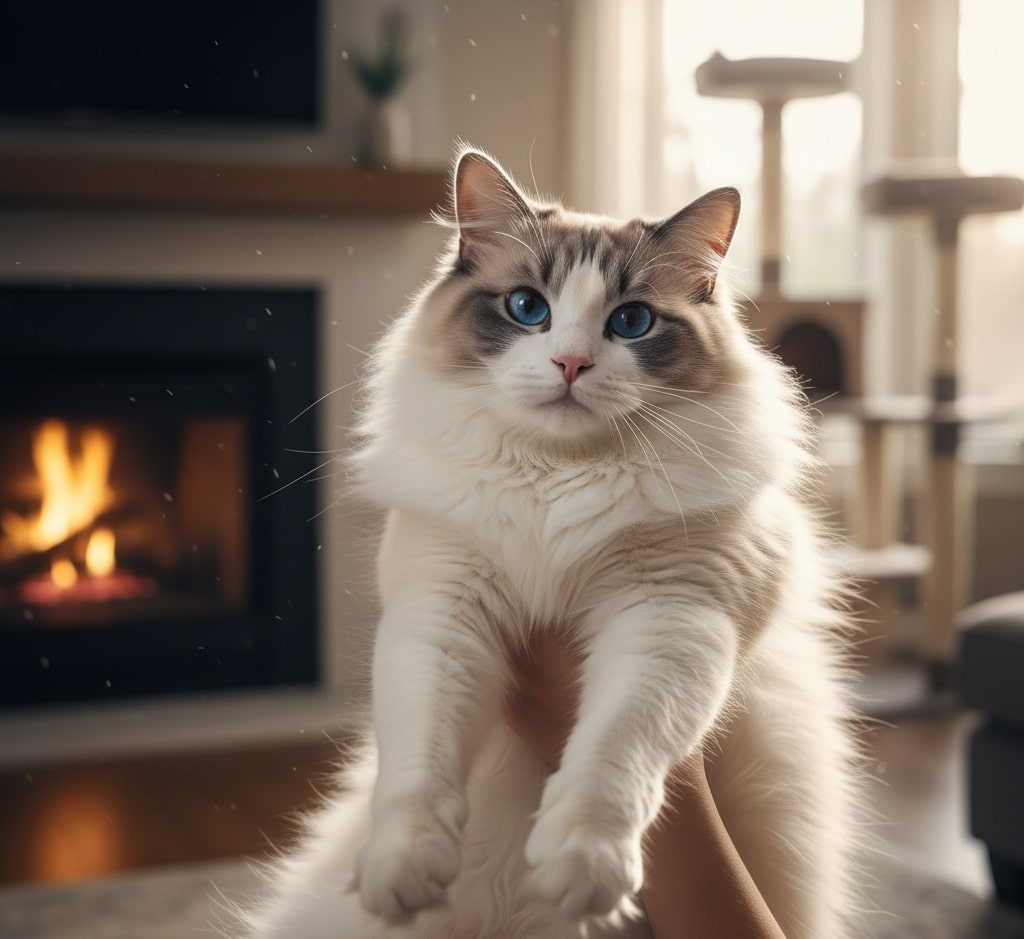
Ragdolls are famous for their tendency to go limp when picked up, which earned them their name. This relaxed behavior makes them feel like a “rag doll” in your arms. It’s one of the most endearing traits of the breed.
Colorpoint Variations
Ragdolls have different colorpoint patterns, which continue to develop as they age. This means a kitten’s coat might change as they grow, adding even more charm to their appearance.
Social Butterflies
Ragdolls are known for forming strong bonds with their owners. They are incredibly social and enjoy being part of the family. Whether it’s following you around the house or cuddling on the couch, they love being close to their humans.
Community and Resources
Owning a Ragdoll cat is a journey filled with love and joy, but it’s always helpful to have a community to turn to. Here are some resources and ways to connect with fellow Ragdoll cat lovers:
Let’s Talk About You
Do you have a Ragdoll story to share? Many Ragdoll owners love exchanging stories and tips about their experiences. You can join online forums, Facebook groups, or local cat clubs to connect with others who adore this breed.
Looking for Answers? You’ll Find Them Here
There are many resources available to help you with any questions you may have about Ragdoll cats. From health issues to behavior tips, you can find advice from veterinarians, breeders, and fellow cat owners in online communities.
Practical Cat Care
Whether you’re a new Ragdoll owner or a seasoned cat parent, practical tips can always come in handy. Keep up with the latest information on grooming, health care, and nutrition to ensure your Ragdoll stays happy and healthy.
Fun
Owning a Ragdoll cat is fun! Share your cat’s silly moments, favorite toys, and daily routines with fellow Ragdoll lovers. Many Ragdoll owners love to swap funny stories and pictures of their cats’ antics.
Your Own Stories and Photos
If you want to show off your Ragdoll, many communities encourage you to share photos and stories of your cat. From playful moments to snuggly naps, your Ragdoll’s life can bring smiles to others!
A Worldwide Community of Ragdoll Cats
Ragdoll lovers aren’t just in one place—they’re all over the world! Whether through social media or international cat shows, you can connect with Ragdoll enthusiasts everywhere. Many breeders and Ragdoll clubs also have newsletters or events where you can learn more about this wonderful breed.
Have You Discovered Our Newsletter?
Staying informed about Ragdoll cats is easy when you subscribe to breed-specific newsletters. These often provide valuable tips, health updates, and heartwarming stories about Ragdoll cats.
Takeaways
Summary of Key Points
- Appearance: Ragdolls are known for their large, muscular bodies, striking blue eyes, and soft fur with color-point patterns.
- Personality: They are affectionate, calm, and love to be around their human families.
- Care: Regular grooming, balanced nutrition, and mental stimulation are essential for their well-being.
- Health: Keep an eye out for common health issues like HCM, FLUTD, and dental disease, and ensure regular vet check-ups.
- Social Needs: Ragdolls thrive on companionship and interaction, making them perfect family pets.
Final Thoughts
Ragdoll cats are a blend of beauty, grace, and affectionate companionship. Their stunning appearance and gentle nature make them a favorite among cat lovers worldwide. Whether you’re adopting from a shelter or buying from a reputable breeder, Ragdoll cats can bring immense joy and love into your home. With the right care, attention, and understanding of their unique needs, your Ragdoll cat will thrive and become a cherished member of your family for many happy years to come.
Conclusion
If you’re looking for a loving, beautiful, and gentle cat, Ragdolls are the perfect choice. They’ll fill your home with love, and their easygoing nature makes them wonderful companions for all types of families. By providing them with the right care and attention, you’ll enjoy a lifetime of happiness with your Ragdoll cat.
Learn more about the Ragdoll cat breed here.
Learn more about the Siamese cat breed.
Ragdoll Cat FAQs
Ragdolls are not considered hypoallergenic, but some people may react less to them than other breeds. If you have allergies, spend time with a Ragdoll before deciding to adopt one.
The price of a Ragdoll can vary based on pedigree and breeder reputation. On average, Ragdoll cats can cost anywhere from $800 to $2,500, depending on their lineage and the breeder. Cats with show-quality traits or rare color patterns tend to be more expensive.
Yes! Ragdoll cats make excellent house pets. Their calm and affectionate nature makes them great companions, especially for families or individuals who spend a lot of time at home. They are low-maintenance in terms of activity but thrive on love and attention.
Yes, Ragdoll cats are legal in the US. There are no specific restrictions or bans on owning Ragdolls in any state. However, always ensure you adopt or purchase from a reputable source to avoid any legal or ethical issues.