
Flushing cat litter might seem like a quick, convenient fix — but the risks are bigger than you’d expect. Here’s why experts say you should stop immediately, and what to do instead.
Introduction
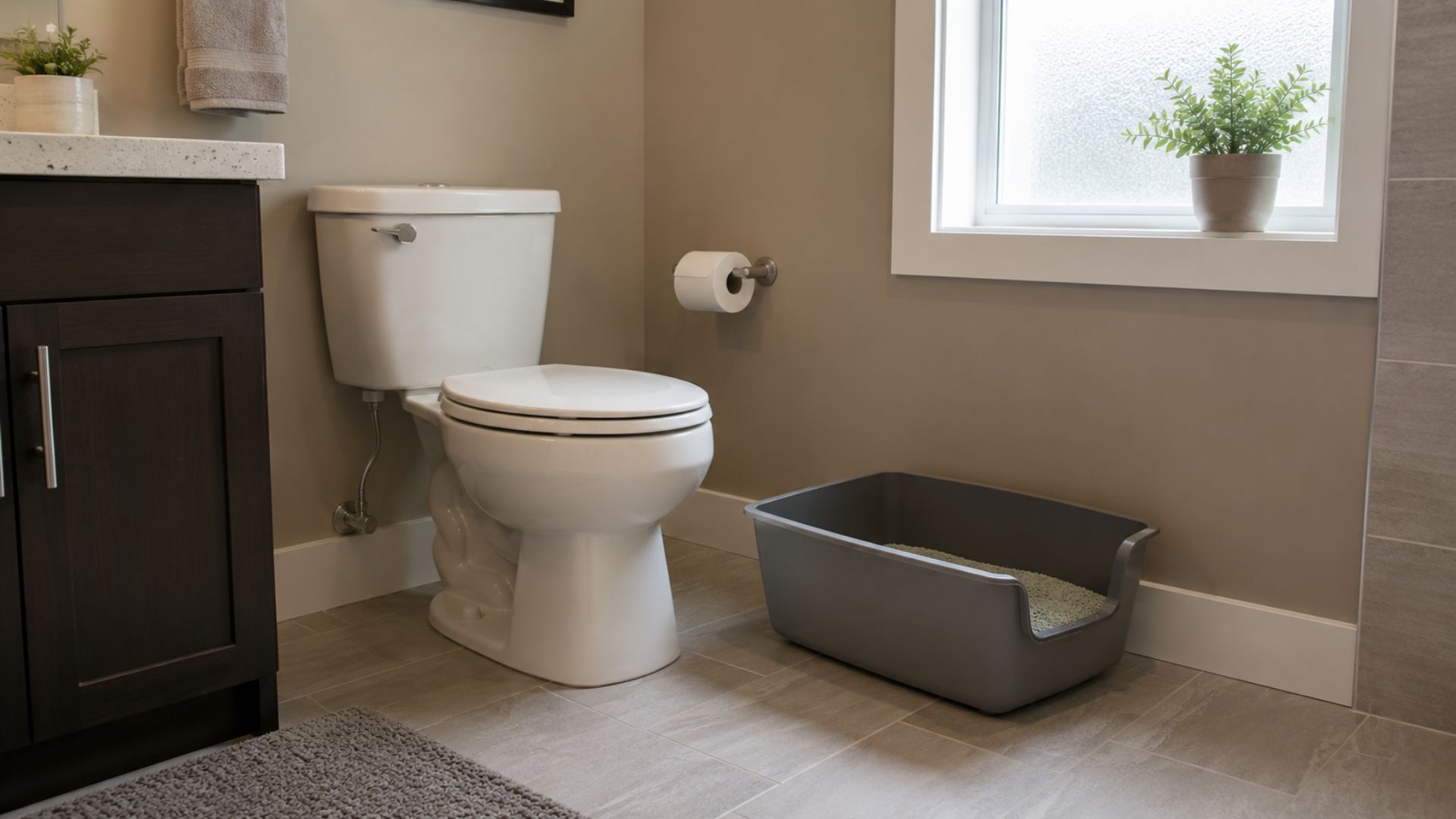
It’s a question millions of cat owners across the U.S. have asked at least once: Can you flush cat litter?
The short answer from experts? No. And the long answer is a lot more alarming.
Even if the bag says “flushable,” tossing used cat litter down the toilet can lead to catastrophic plumbing damage, serious public health risks, and in some states, legal trouble. This isn’t just a matter of whether your toilet can physically handle it. It’s a question that touches on your home’s infrastructure, your family’s health — especially if you’re pregnant or immunocompromised — and the long-term health of coastal ecosystems miles from your bathroom.
1. The Plumbing Nightmare: Why “Flushable” Is a Myth
Bentonite Clay — Your Pipes’ Worst Enemy
Most clumping cat litters sold in the U.S. are made with sodium bentonite, a clay mineral engineered to absorb liquid and lock odors. That’s exactly what makes it so dangerous in your plumbing.
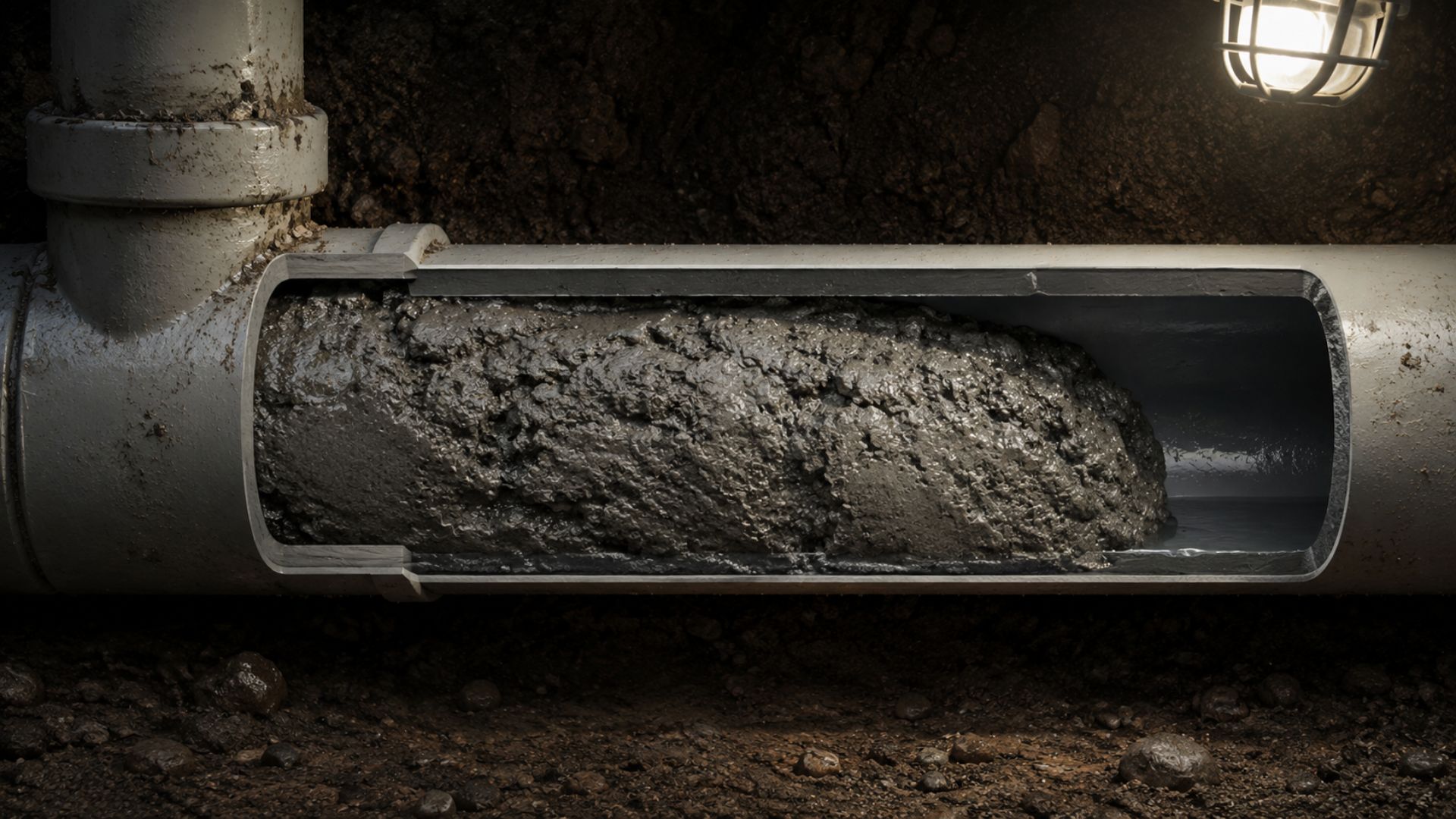
When bentonite meets water inside a pipe, it doesn’t dissolve — it swells. It forms a dense, sticky sludge that coats the inside of your pipes and, once it partially dries, sets almost as hard as concrete. At that point, even a plumbing snake can’t clear it. In serious cases, plumbers have to open walls and floors to replace entire pipe sections — a repair bill that can run into the thousands.
Low-Flow Toilets Make It Worse
Modern U.S. toilets are designed for water efficiency, using just 1.28 to 1.6 gallons per flush. That’s simply not enough force to push a dense mass of wet clay through your entire drainage system — particularly in older homes with cast iron or clay pipes, where rough interior surfaces already trap buildup.
A Death Sentence for Septic Systems
About one in five American households relies on a septic system rather than a municipal sewer. For those homeowners, cat litter is especially dangerous.
Septic systems depend on bacteria to break down organic waste. Cat litter — whether clay or silica — is inorganic. It doesn’t decompose. Instead, it accumulates at the bottom of your tank, reduces holding capacity, and can block the inlet baffle that keeps solids separated from liquid. When a septic system fails completely, sewage backs up into the house. Remediation can easily cost tens of thousands of dollars.
2. The Hidden Danger: Toxoplasmosis and Your Health
A Parasite That Survives the Water Treatment Plant

Cat feces can contain Toxoplasma gondii, a single-celled parasite for which cats are the only host capable of producing infectious eggs, called oocysts. These oocysts have an extremely tough outer shell — tough enough to survive standard wastewater treatment processes like chlorination and conventional filtration. Their microscopic size also lets them slip through the coarse filters used by most municipal treatment facilities.
In other words: once they enter the sewer system, there’s nothing reliably stopping them from reaching natural waterways.
High Stakes for Vulnerable People
The CDC warns that toxoplasmosis poses serious risks to two groups in particular:
Pregnant women: Infection during pregnancy can cause miscarriage, stillbirth, or severe birth defects — including blindness, brain damage, and epilepsy in newborns.
Immunocompromised individuals: For people living with HIV/AIDS or undergoing chemotherapy, the parasite can cause life-threatening encephalitis.
It’s also worth noting that cat poop alone — without any litter — still carries these risks. The oocysts survive for months in the environment, and standard home cleaning products won’t eliminate them.
3. The Environmental Impact: What It Means for Sea Otters
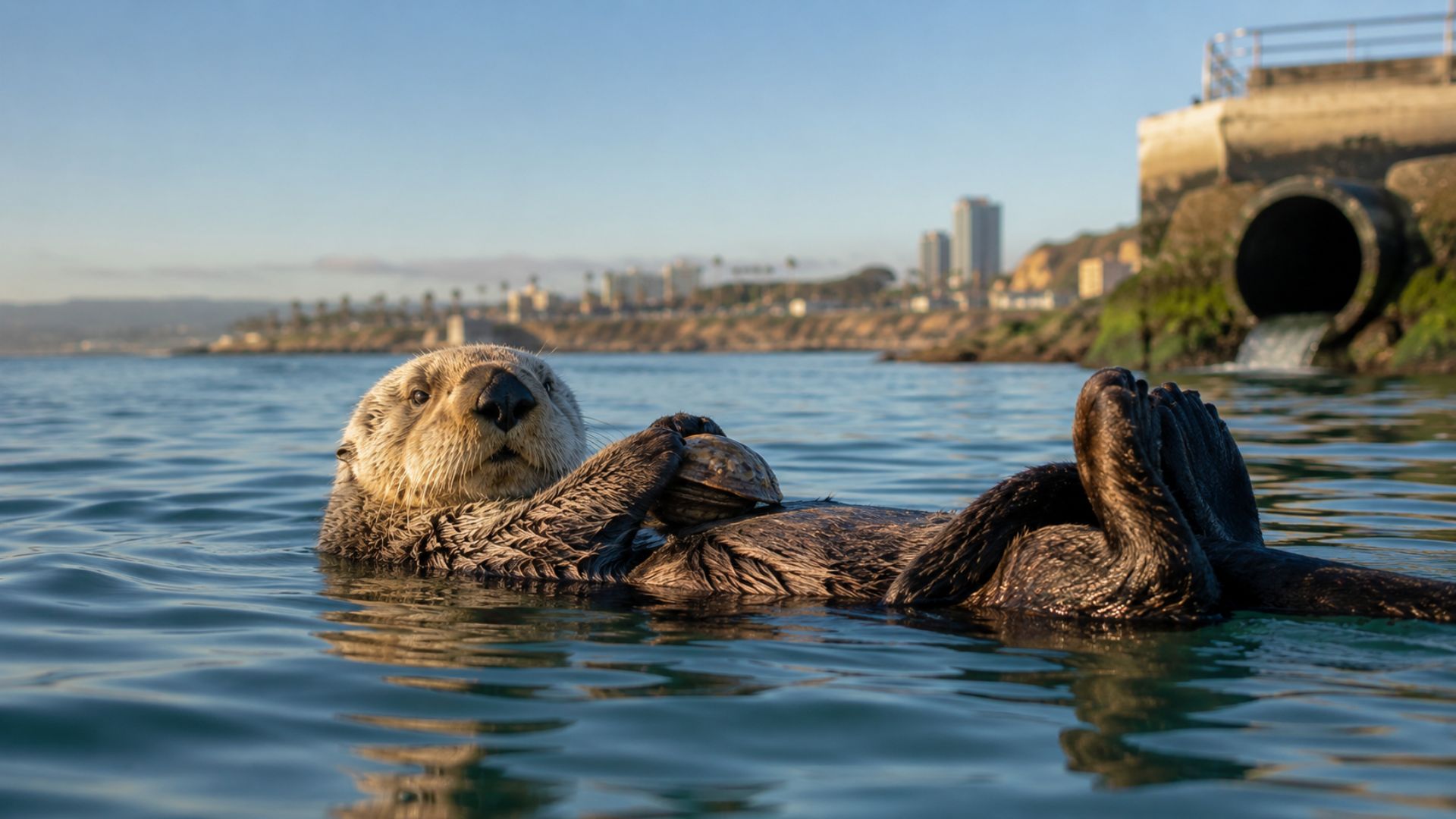
What happens in your bathroom doesn’t stay in your bathroom.
Studies conducted along the California coast have drawn a direct line between Toxoplasma oocysts in residential wastewater and mass die-offs of the southern sea otter, a threatened species protected under the Marine Mammal Protection Act. The transmission chain works like this: oocysts exit the sewer system, enter coastal waters, get filtered and concentrated by shellfish like mussels and clams, and are then consumed by otters — with fatal results.
The EPA classifies pet waste as a non-point source pollutant, placing it in the same category as motor oil and pesticide runoff. What goes down your toilet can ultimately end up in the ocean, and the damage compounds with every flush.
4. Is It Illegal? Laws and Regulations You Should Know
California’s AB 2485
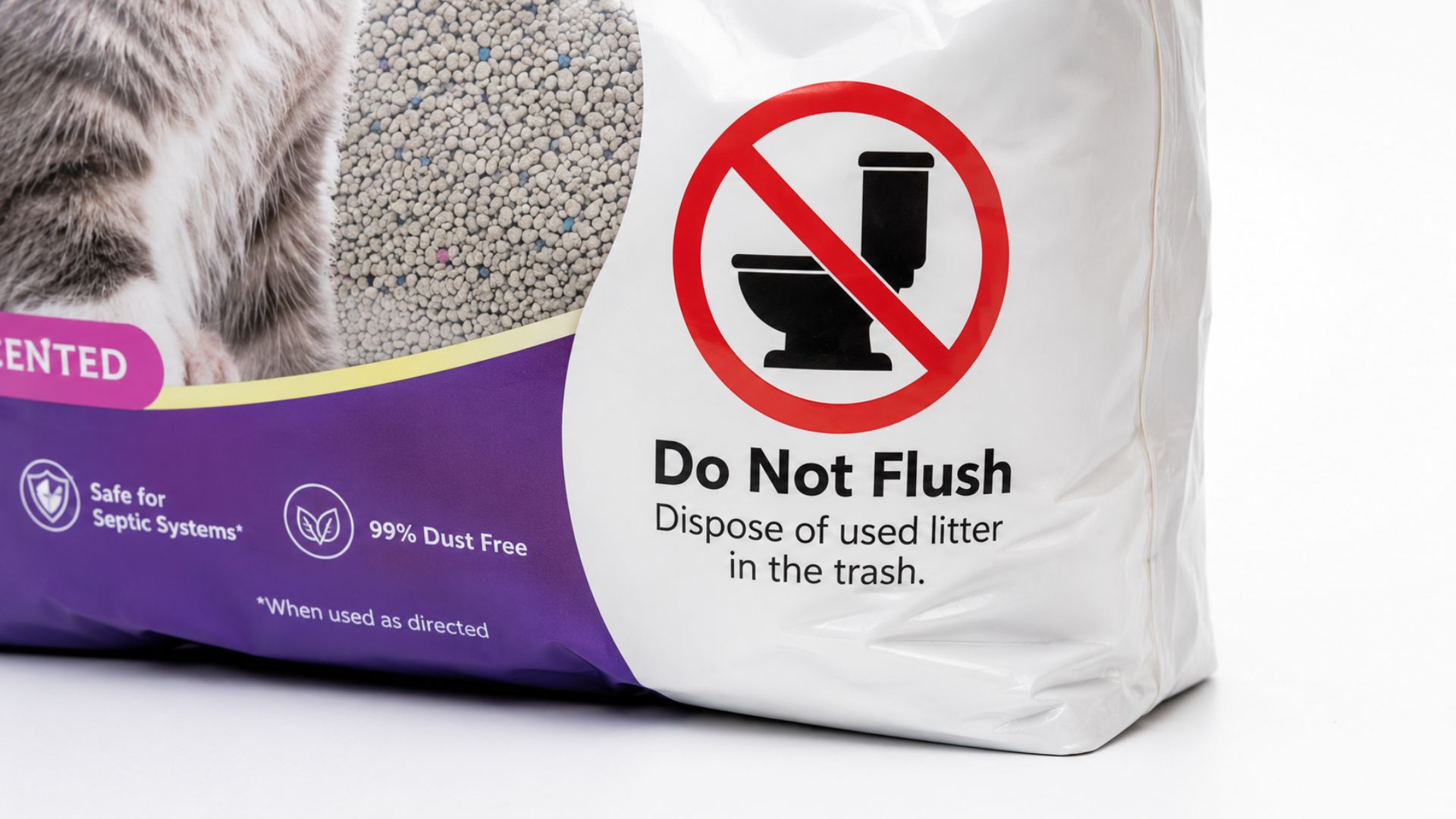
California has been the most aggressive state in addressing this issue. Under California Fish and Game Code § 4501 (enacted through AB 2485), all cat litter sold in the state must carry a clear warning label instructing consumers not to flush it down the toilet or pour it into storm drains. The law was passed specifically to protect sea otters and other marine wildlife from Toxoplasma contamination traced back to household wastewater.
Municipal Ordinances and Rental Agreements
It’s not just California. Cities in Texas, Florida, and Hawaii have enacted Sewer Use Ordinances that prohibit disposing of materials capable of blocking the sewer system — which includes clay and sand-based litters. If you’re renting, your lease agreement may also hold you financially liable for plumbing damage caused by improper disposal.
This isn’t theoretical. Apartment dwellers on Reddit have reported being hit with four-figure plumbing repair bills after building management traced pipe blockages back to cat litter. Legal experts advise renters to hire an independent plumber to collect material samples from any clog before accepting blame.
One notable insurance case — CC 145 Main, LLC v. Union Mutual Fire Insurance Company — illustrated just how ugly these disputes can get. A tenant who flushed cat litter caused a sewage overflow and property damage. The insurer denied the claim under a “sewer backup” exclusion, and the case went all the way to state supreme court before a ruling could be made on whether a toilet counted as part of a “drainage system” under the policy language. It’s the kind of legal nightmare that starts with one flush too many.
The “Flushable” Label Is a Marketing Claim, Not a Guarantee
The Federal Trade Commission requires environmental claims to be backed by credible scientific evidence. But manufacturers routinely define “flushable” as “will pass through a toilet without immediate clogging” — which is very different from how plumbers and wastewater engineers define it: “fully biodegrades without harming the entire sewer or treatment system.”
That gap has fueled a wave of class-action lawsuits. The Fresh Step litigation against Clorox and a $20 million settlement over “flushable” wet wipes by Kimberly-Clark are both examples of courts holding manufacturers accountable for misleading labels. Savvy consumers know that if a product says “flushable,” it’s worth digging deeper before taking that claim at face value.
5. Safe (and Greener) Alternatives for Litter Disposal
So if flushing is off the table, what should you do?
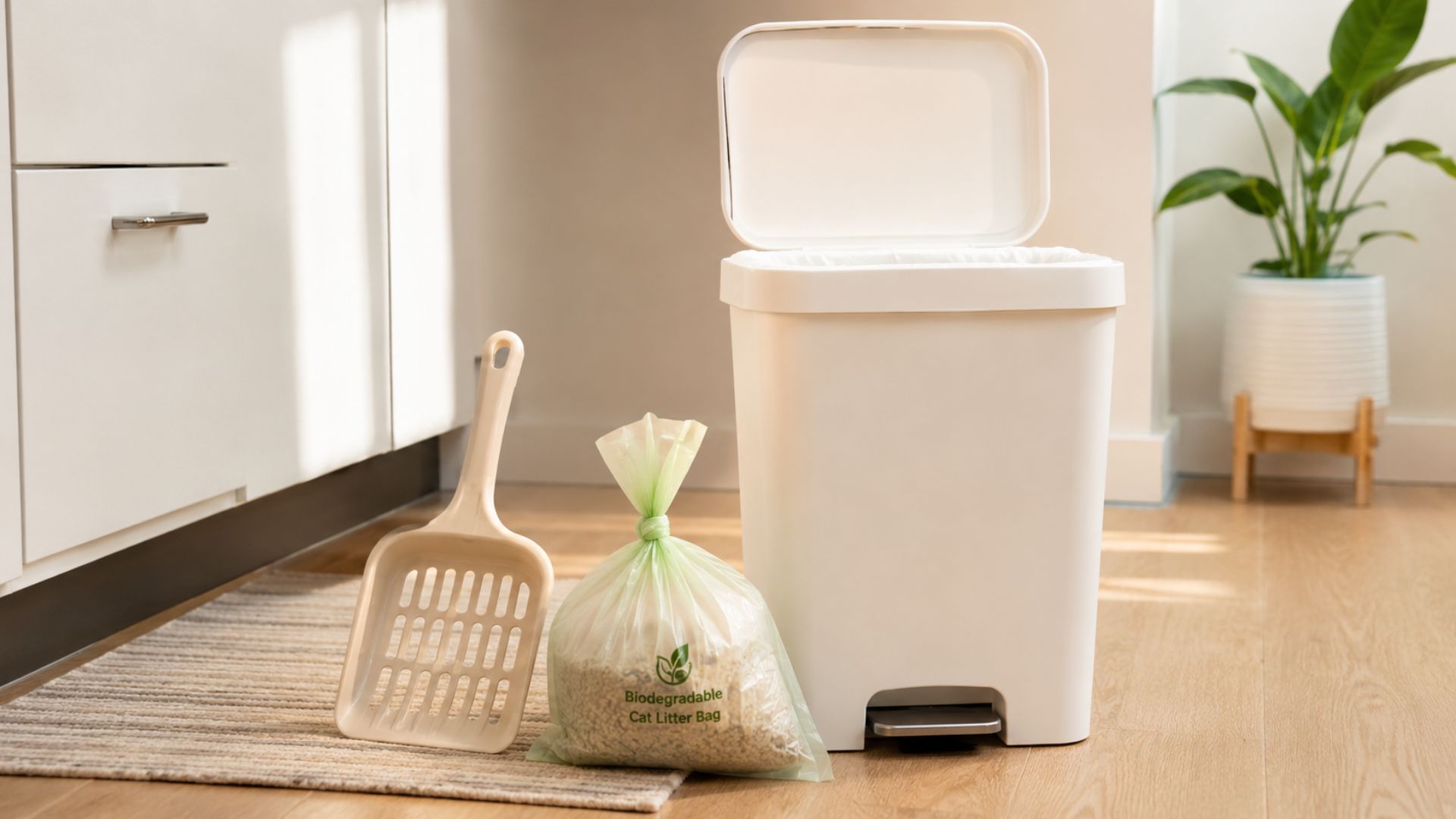
Bag it and trash it (the gold standard): Scoop used litter into a small bag, tie it off, and toss it in your household trash. It’s simple, universally safe, and the method recommended by virtually every plumbing and public health authority in the country.
Switch to biodegradable bags: Instead of standard plastic bags, opt for plant-based or cornstarch bags to reduce your plastic footprint without changing your disposal routine.
Use a dedicated litter disposal system: Products like the Litter Genie use multi-layer film technology to lock in odors between trips to the trash, so you’re not stuck emptying the box every single day.
Composting (with major caveats): If you have a large yard and a dedicated pet-waste composter, composting is technically an option — but only if the system reaches temperatures high enough to kill pathogens. Never use cat-waste compost on vegetable gardens.
In-ground pet waste digesters: The EPA recommends enzyme-based in-ground digesters as a sustainable option for homeowners with yards. These systems break waste down into a liquid that safely absorbs into surrounding soil, keeping it out of both the landfill and the sewer system.
The Bottom Line
A few seconds of convenience isn’t worth the risk of a four-figure plumbing repair, a potential legal dispute with your landlord, or contributing to a public health and environmental problem that reaches far beyond your bathroom.
The consensus from the EPA, CDC, plumbing professionals, and state legislatures is clear: don’t flush cat litter — any kind, ever. The safest and most responsible move is to keep it out of the bowl entirely.
Keep it in the bin, not the bowl.
Frequently Asked Questions
Q: Can I flush “flushable” cat litter if I have a septic system?
A: Absolutely not. Septic systems rely on bacteria to break down organic waste, and cat litter — even the “natural” kind — doesn’t decompose fast enough to work within that system. It builds up at the bottom of the tank, reduces capacity, and can ultimately destroy it. Septic replacement or major repair runs into the tens of thousands of dollars.
Q: What if I just flush the poop without any litter?
A: It’s still not safe. Cat feces tends to dry out and harden, and it still carries Toxoplasma gondii oocysts that municipal water treatment systems can’t reliably eliminate. The plumbing risk may be lower, but the public health risk remains the same.
Q: What about natural litters made from corn, wheat, or wood?
A: Plant-based litters do break down faster than clay, but they’re still not recommended for flushing. The bigger concern isn’t the litter material — it’s the parasites in the waste itself. And in California, AB 2485 prohibits flushing all cat litter, regardless of what it’s made from.
Q: Can I get fined for flushing cat litter in California?
A: California law (AB 2485) mandates warning labels on all cat litter packaging sold in the state. Many municipalities also have sewer ordinances with enforcement provisions. Renters face additional exposure: lease agreements often include clauses making tenants liable for infrastructure damage, and management companies have been known to pursue those claims aggressively.